- The Sacramento Kings’ decision to trade away a promising young backcourt has stalled their playoff aspirations.
- The Kings’ rotation of three point guards in two years has led to a lack of cohesion and rhythm on the court.
- De’Aaron Fox, Tyrese Haliburton, and Davion Mitchell formed a dynamic trio that was expected to drive the team’s success.
- The front office’s move to dismantle the unit has left fans wondering what went wrong in Sacramento.
- The Kings’ current patchwork backcourt featuring Russell Westbrook and Devin Carter has struggled to replicate the success of their predecessors.
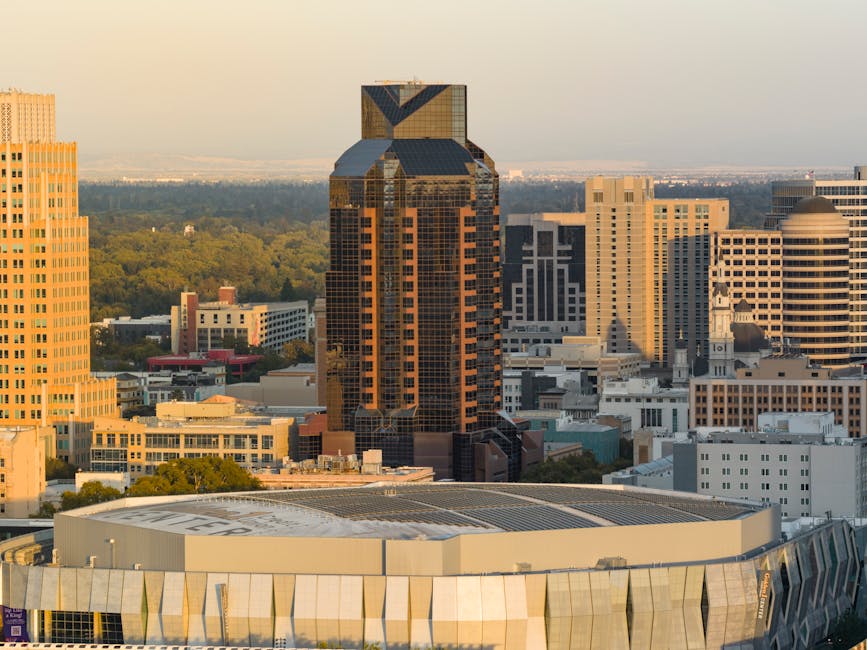
Inside Golden 1 Center, the air hums with the energy of a fanbase clinging to hope. Neon purple lights sweep across the stands as the crowd rises for the opening tip. But this season, the electricity feels different—tinged with confusion. Where once there was a homegrown trio of De’Aaron Fox, Tyrese Haliburton, and Davion Mitchell weaving fast breaks and threading alley-oops, now there’s a patchwork backcourt led by a 35-year-old Russell Westbrook and rookie Devin Carter. The court moves with less rhythm, the offense stutters, and the promise of a new era in Sacramento seems to have evaporated as quickly as a summer fog beneath a California sun. Fans who once believed the Kings had finally broken their playoff drought and were building something sustainable now exchange glances of disbelief. How did a future so bright dim so fast?
The Current Point Guard Puzzle

Today’s Sacramento Kings are navigating one of the most perplexing transitions in recent NBA history. After the 2021–22 season, the franchise boasted one of the most dynamic young backcourts in the league. De’Aaron Fox, an explosive scorer and All-Star in 2023, was flanked by Tyrese Haliburton, a cerebral playmaker with elite court vision, and Davion Mitchell, the defensive stopper dubbed “Off Night” for his ability to shut down elite guards. Instead of building around this foundation, the front office executed a series of moves that dismantled the unit. Haliburton was traded to the Indiana Pacers in February 2022 in a deal now widely panned as one-sided. Mitchell, despite strong defensive accolades, was gradually phased out and eventually traded this past year. In their place: Russell Westbrook, signed mid-season for veteran presence, and Devin Carter, a rookie drafted in 2023. While Carter shows flashes, the shift from youth and continuity to stopgap solutions has left the roster unbalanced and the future uncertain.
How the Foundation Was Broken

The unraveling began with the controversial decision to trade Tyrese Haliburton, then just 22 years old and showing All-NBA potential. The Kings sent him to Indiana alongside Buddy Hield and Tristan Thompson in exchange for Domantas Sabonis, a skilled big man but not the floor general Sacramento desperately needed. At the time, the front office argued that Sabonis would better complement Fox’s game and stabilize the frontcourt. However, Haliburton’s rapid ascent into one of the league’s most efficient and beloved players—leading the Pacers to their first playoff berth in years—has made the trade look increasingly lopsided. Meanwhile, Davion Mitchell, selected fourth overall in 2021, was expected to be a cornerstone defender. Internal reports suggested friction over role definition and minutes, but many analysts believe the organization failed to develop him properly. The cumulative effect has been the erosion of a once-promising core before it had time to mature.
The Decision-Makers Behind the Moves

At the center of these decisions is General Manager Monte McNair, who has held the role since 2020, and the ownership group led by Vivek Ranadivé. McNair inherited a team stuck in a 16-year playoff drought and was under pressure to deliver results quickly. The urgency to win now—fueled by Ranadivé’s impatience and Sacramento’s desperate fanbase—appears to have overridden long-term planning. The Sabonis trade was framed as a “win-now” pivot, but it sacrificed the very player who could have been the franchise’s long-term floor general. While Fox remains a high-level talent, his effectiveness thrives in a system with ball movement and spacing—qualities Haliburton embodied. The reluctance to commit to Mitchell, despite his defensive prowess, suggests a front office unwilling to invest in player development. Their motivations seem rooted in immediate gratification rather than sustainable growth, a pattern that has eroded trust both internally and among supporters.
Consequences for Players and Fans

The repercussions of these moves ripple across the locker room and into the stands. For young players, the message is clear: even top draft picks aren’t safe if they don’t fit a shifting narrative. The lack of continuity discourages cohesion and long-term investment. On the court, the Kings’ offense has regressed, ranking outside the top 20 in pace and efficiency despite Fox’s individual brilliance. Defensively, they’ve lost the tenacity Mitchell brought nightly. For fans, the emotional toll is heavier. After decades of futility, they celebrated the 2023 playoff return as a turning point. Now, with the core dismantled and the team hovering around .500, optimism has curdled into skepticism. Attendance remains strong, but the chants feel more desperate than joyful. The organization risks alienating a loyal base that has endured enough.
The Bigger Picture
What’s happening in Sacramento reflects a broader tension in professional sports: the clash between short-term success and long-term vision. In an era where analytics and player development are paramount, the Kings’ choices stand out as regressive. Other franchises—like Memphis with Ja Morant and the Grizzlies’ young core, or Indiana building around Haliburton—demonstrate the value of patience and continuity. Sacramento’s path, by contrast, resembles the impulsive decisions of teams stuck in a cycle of mediocrity. The NBA is increasingly a league defined by superstar duos and cohesive systems. By breaking up a promising backcourt instead of nurturing it, the Kings aren’t just risking a few lost seasons—they’re undermining their credibility as a well-run franchise.
What comes next may define the Kings’ trajectory for a decade. If Devin Carter develops into a reliable guard and Fox remains healthy, there’s a slim chance of resurgence. But without a clear philosophy or commitment to youth, Sacramento risks returning to the shadows of irrelevance. The front office must decide: are they building a team or just rearranging the deck chairs? For the fans who once believed in a new dawn, the answer can’t come soon enough. As the lights dim and the crowd files out, one question lingers in the empty arena: when will the Kings stop running in place?
Source: Reddit