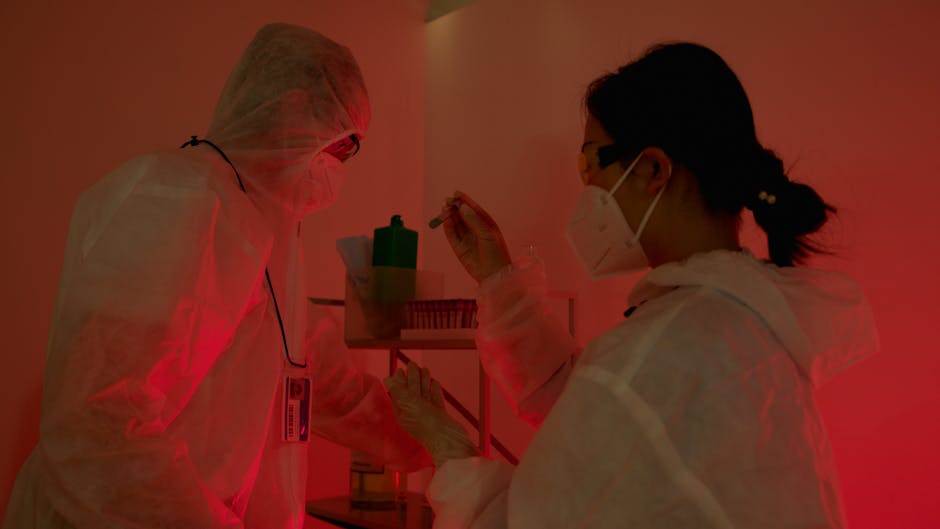
- The Sabiá virus has been circulating in Brazil for approximately 142 years, with ongoing mutations.
- Genomic analyses reveal significant genetic changes in the virus over the years, indicating its long history of circulation.
- The virus’s ability to evolve potentially evades detection by existing diagnostic tests.
- Updated diagnostic approaches are needed to manage and prevent future outbreaks of the Sabiá virus.
- The virus has been responsible for four fatal cases in São Paulo since 1990, highlighting its pathogenic potential.
Executive summary: The Sabiá virus, a causative agent of acute hemorrhagic and neurological syndrome, has been found to have circulated in Brazil for approximately 142 years, with evidence of ongoing mutations. This discovery, based on genomic analyses of recent cases, highlights the virus’s ability to evolve over time, potentially evading detection by existing diagnostic tests. The prolonged circulation and mutation of the Sabiá virus underscore the need for continued vigilance and updated diagnostic approaches to manage and prevent future outbreaks.
Evidence of Prolonged Circulation

Hard data from genomic analyses of two cases recorded in 2019 and 2020 reveal that the Sabiá virus has undergone significant genetic changes over the years. These changes are indicative of the virus’s long history of circulation in Brazil, dating back to around 1880. Primary sources, including CDC reports and WHO updates, corroborate the presence of the virus in the region, although its identification was challenging due to its genetic evolution. The fact that four fatal cases have been recorded in the state of São Paulo since 1990 further emphasizes the virus’s pathogenic potential and the importance of accurate diagnosis.
Key Players and Their Roles

The Brazilian health authorities, in collaboration with international partners such as the World Health Organization (WHO), play a crucial role in monitoring and responding to Sabiá virus outbreaks. Recent moves include enhanced surveillance efforts and the development of more sensitive diagnostic tools capable of detecting the virus’s mutated forms. Researchers from institutions like the National Institutes of Health are also contributing to the understanding of the virus’s genetic evolution and its implications for public health.
Trade-Offs and Challenges

The costs associated with the prolonged circulation of the Sabiá virus include the risk of increased morbidity and mortality, particularly in areas with limited access to healthcare. The benefits of enhanced surveillance and diagnostic capabilities must be weighed against the challenges of implementing these measures in resource-constrained settings. Furthermore, the risk of the virus spreading to new areas or evolving into more virulent forms poses significant opportunities for public health interventions, including vaccination strategies and community engagement initiatives.
Timing and Current Context

The current focus on the Sabiá virus is timely, given the recent cases and the ongoing efforts to understand its genetic evolution. What has changed is the availability of advanced genomic sequencing technologies, which have enabled researchers to trace the virus’s history and detect its mutations more accurately. This newfound understanding, coupled with global health security initiatives, positions the public health community to respond more effectively to potential outbreaks and to develop targeted interventions.
Where We Go From Here
Looking ahead to the next 6-12 months, three scenarios are plausible: firstly, the implementation of effective surveillance and diagnostic strategies could lead to better control of the virus; secondly, the emergence of new mutations could complicate detection and response efforts; thirdly, international collaboration could facilitate the development of a vaccine or therapeutic interventions, significantly reducing the virus’s impact. Each scenario underscores the need for continued research, surveillance, and preparedness.
Bottom line: The Sabiá virus’s 142-year history in Brazil, marked by genetic mutations and evading detection, necessitates a proactive and adaptive public health response to mitigate its potential impact on human health.
Source: MedicalXpress