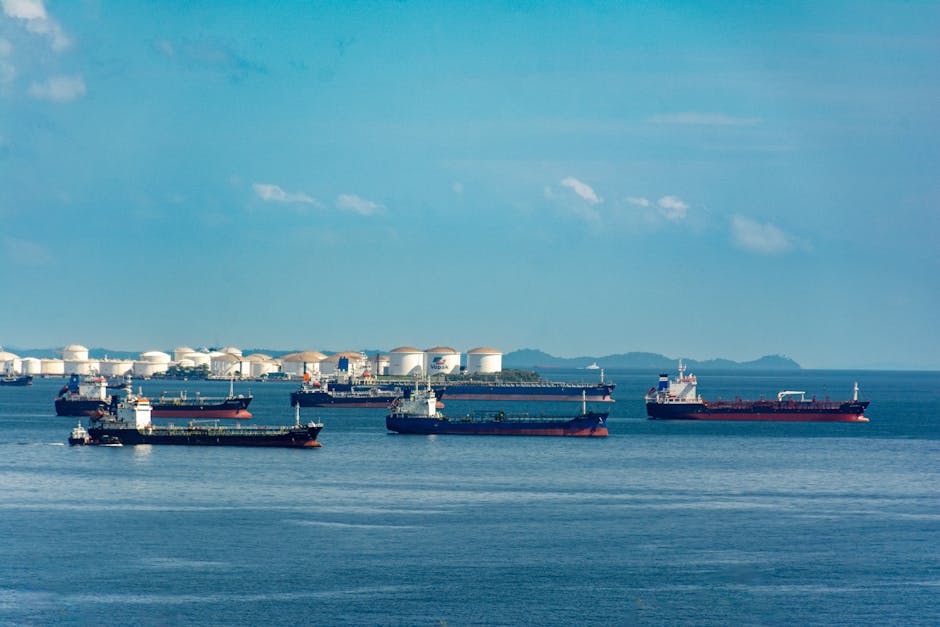
- The closure of the Strait of Hormuz has led to a 42% drop in Japan’s plastic production since early April.
- Ethylene imports from Saudi Arabia, Qatar, and the UAE have decreased from 350,000 tons per month to 98,000 tons in June.
- Domestic plastic resin prices have surged by 180% year-on-year, reaching record highs of ¥420 per kilogram.
- 63% of surveyed manufacturers have reduced output, and 22% face potential temporary shutdowns due to the shortage.
- The shortage is affecting packaging, automotive, and electronics sectors, which collectively account for 85% of industrial plastic use.
Japan is confronting a mounting crisis in its plastic supply chain as the prolonged closure of the Strait of Hormuz disrupts the flow of essential petrochemical feedstocks from the Middle East. This strategic chokepoint, through which nearly 20% of global oil passes, has been shut down due to regional conflict, severing a critical artery for Japan’s manufacturing sector. With over 70% of Japan’s ethylene and propylene—key raw materials for plastics—imported from Gulf producers, the disruption has triggered factory slowdowns, price spikes, and urgent government intervention. The crisis underscores Japan’s fragile energy interdependence and the risks of relying on distant, geopolitically volatile sources for foundational industrial inputs.
Supply Shock: The Data Behind the Shortage

Japan’s plastic production has plummeted by 42% since the closure of the Strait of Hormuz in early April, according to the Ministry of Economy, Trade and Industry (METI). Ethylene imports, primarily sourced from Saudi Arabia, Qatar, and the UAE, have dropped from 350,000 tons per month to just 98,000 in June. Domestic plastic resin prices have surged by 180% year-on-year, reaching record highs of ¥420 per kilogram. The Japan Plastics Industry Federation reports that 63% of surveyed manufacturers have reduced output, while 22% face potential temporary shutdowns. Packaging, automotive, and electronics sectors—collectively responsible for 85% of industrial plastic use—are experiencing cascading delays. Even recycling efforts, which cover only 28% of domestic demand, cannot compensate for the shortfall. The disruption has also affected medical supplies, with hospitals reporting shortages of disposable syringes and IV bags due to resin scarcity.
Key Players: Government, Industry, and Geopolitics

The Japanese government, led by METI, has activated emergency protocols, including the release of strategic petrochemical reserves and negotiations with alternative suppliers in Southeast Asia and the United States. Prime Minister Fumio Kishida has convened a special task force to assess industrial exposure and explore short-term imports from Indonesia and Malaysia, though their combined capacity meets less than 15% of Japan’s usual needs. Major corporations like Mitsubishi Chemical and Toray Industries have diverted shipping routes around Africa, adding 10–14 days and 30% higher freight costs per container. Meanwhile, Gulf producers such as Saudi Aramco and QatarEnergy have suspended exports to East Asia, prioritizing regional allies. The U.S. Navy’s Fifth Fleet continues to monitor the strait, but de-escalation remains uncertain. Japan’s diplomatic outreach to Oman and India aims to secure transit corridors, yet no breakthrough has been announced.
Trade-Offs: Security, Sustainability, and Industrial Policy

The crisis forces Japan to confront difficult trade-offs between energy security, economic stability, and environmental goals. Ramping up domestic petrochemical production would require massive investment and contradict carbon neutrality pledges by 2050. Alternative feedstocks like bio-based plastics remain nascent, accounting for less than 2% of current supply. Restarting idled refineries could ease dependence but would increase emissions and strain energy grids. On the other hand, accelerating circular economy initiatives—such as enhanced recycling and material substitution—offers long-term resilience but cannot address immediate shortages. The government is now weighing emergency subsidies for plastic alternatives while facing pressure from manufacturers to relax environmental regulations temporarily. Each choice carries risks: short-term fixes may lock in fossil dependence, while delays could erode industrial competitiveness.
Why Now? The Timing of a Long-Forgotten Vulnerability

The current crisis was foreseeable but long ignored. Japan’s post-war industrial model prioritized efficiency and just-in-time supply chains, assuming stable maritime routes and reliable energy flows. However, geopolitical tensions in the Persian Gulf have escalated since 2019, with repeated attacks on tankers and drone strikes on infrastructure. Despite warnings from security analysts and METI’s own 2022 risk assessment highlighting overreliance on Hormuz, no significant diversification occurred. The timing of the closure—coinciding with peak manufacturing demand and low inventory levels—amplified the impact. Moreover, global shipping capacity remains tight after pandemic-era disruptions, limiting rerouting options. The convergence of these factors has turned a latent risk into an acute national emergency.
Where We Go From Here
In the next six to twelve months, Japan could face one of three scenarios. First, a diplomatic resolution reopening the Strait of Hormuz could stabilize supply by Q1 2025, but residual delays and price volatility would persist. Second, sustained closure may force structural shifts: increased investment in domestic recycling infrastructure, partnerships with non-Gulf petrochemical exporters like the U.S. Gulf Coast, and accelerated development of bioplastics. Third, prolonged disruption could trigger a broader industrial downturn, with cascading effects on exports and inflation, potentially pushing Japan into stagflation. The government’s ability to coordinate cross-sector responses and secure alternative feedstocks will determine the outcome. International cooperation, particularly with ASEAN and Quad partners, will be critical in building resilient supply networks.
Bottom line — Japan’s plastic crisis reveals the hidden fragility of globally integrated supply chains and demands a fundamental rethinking of industrial resilience in an era of geopolitical instability.
Source: Financial Times