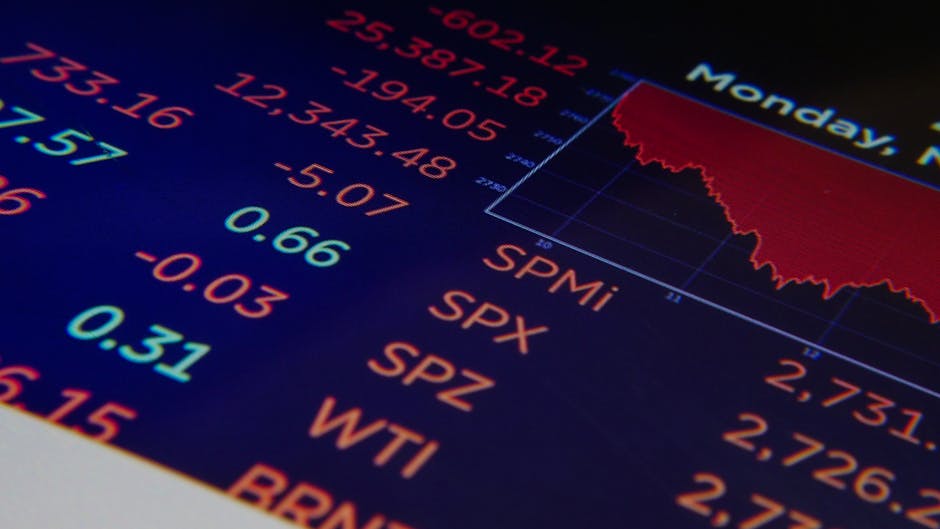
- Industrial metals prices are experiencing significant fluctuations due to inflation fears, affecting global economic growth and manufacturing activity.
- Prices of metals like copper, aluminum, and zinc have seen up to 5% daily swings, reflecting market uncertainty.
- The London Metal Exchange (LME) reports increased trading volumes, highlighting the market’s nervousness and fear of resurgent inflation.
- Central banks, such as the Federal Reserve and European Central Bank, play a crucial role in setting monetary policies influencing inflation rates and industrial metals prices.
- Investors reassess their positions in response to changing economic indicators, further driving market volatility and price movements.
Executive summary: Inflation fears are currently driving significant volatility in the industrial metals market, with prices experiencing considerable fluctuations. The industrial metals sector is particularly sensitive to inflation concerns due to its close ties with economic growth and manufacturing activity. As global bond and equity markets navigate through uncertain times, the direction of industrial metals prices will be closely watched in the coming months.
Evidence of Volatility

Hard data from recent trading sessions indicates that industrial metals such as copper, aluminum, and zinc have seen price swings of up to 5% within a single day, reflecting the heightened uncertainty in the market. According to Reuters, the London Metal Exchange (LME) has reported significant increases in trading volumes, further highlighting the market’s nervousness. Primary sources, including interviews with commodity traders, suggest that the fear of resurgent inflation is the primary driver behind these movements, as investors reassess their positions in response to changing economic indicators.
Key Players and Their Roles

The key actors in this scenario include central banks, such as the Federal Reserve and the European Central Bank, which play crucial roles in setting monetary policies that can influence inflation rates and, by extension, industrial metals prices. Recent moves by these institutions, including changes in interest rates and quantitative easing policies, have been closely monitored by the market. Additionally, large commodity trading houses and hedge funds are also significant players, as their trading activities can impact market sentiment and price movements. The actions of these players will be critical in determining the future trajectory of industrial metals prices.
Trade-Offs and Considerations

The current situation presents several trade-offs and considerations for investors and policymakers. On one hand, rising inflation can lead to higher prices for industrial metals, benefiting producers but potentially hurting consumers and manufacturers who rely on these commodities. On the other hand, aggressive monetary policy actions aimed at curbing inflation could lead to economic slowdown, negatively impacting demand for industrial metals. The risks of misjudging the inflation outlook are high, with potential opportunities for profit but also significant downside risks if the market moves against expectations.
Timing and Market Sentiment

The reason for the current focus on inflation and its impact on industrial metals prices can be attributed to recent economic data releases and statements from central bankers. The shift in market sentiment towards a more inflationary outlook has been swift, reflecting the rapid evolution of economic conditions. As explained by The New York Times, the combination of supply chain disruptions, fiscal stimulus, and monetary policy has created an environment where inflation fears can quickly escalate, affecting markets such as industrial metals.
Where We Go From Here
Looking ahead to the next 6-12 months, three possible scenarios emerge for the industrial metals market. The first scenario involves a continued rise in inflation expectations, driving up metals prices as investors seek safe-haven assets and manufacturers stockpile materials in anticipation of further price increases. The second scenario posits a swift response from central banks to curb inflation, potentially leading to a decline in metals prices as economic growth slows. The third scenario involves a stabilization of inflation expectations, resulting in a more balanced market with moderate price growth. Each scenario carries its own set of risks and opportunities, and the actual outcome will depend on a complex interplay of economic factors and policy decisions.
Bottom line: The future of industrial metals prices will be heavily influenced by the trajectory of inflation and the responses of central banks and investors to changing economic conditions, making for a highly unpredictable and potentially volatile market environment.
Source: CNBC