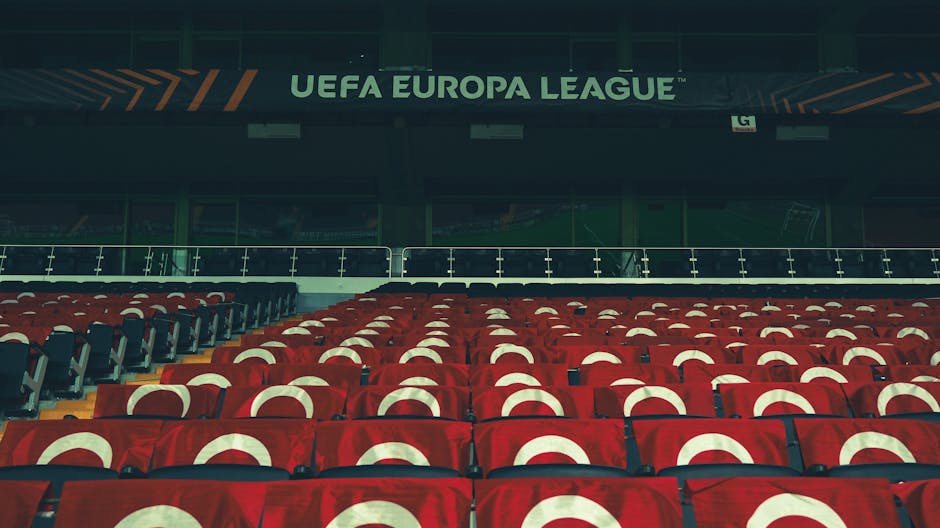
- UEFA will replace traditional group-stage qualifiers with a new, more balanced system starting from the 2028-29 season.
- The new system is inspired by the Swiss model used in chess and the UEFA Nations League.
- Teams will be ranked and seeded to ensure they face opponents of similar strength.
- The goal is to reduce humiliating defeats and make every qualifying match matter.
- The new system aims to ensure competitive integrity and increase fan engagement.
Why do fans tune out when powerhouses like France or Germany face teams like San Marino or Gibraltar? For decades, European football’s qualifying tournaments have been marred by lopsided fixtures—games that end 9-0 or 14-0, where one side dominates possession by 80%, and the outcome is never in doubt. These mismatches have drawn criticism for undermining competitive integrity and dampening fan engagement. Now, UEFA is answering that question with a sweeping reform: beginning in the 2028-29 season, the traditional group-stage qualifiers for the European Championship and FIFA World Cup will be replaced with a new, more balanced system inspired by the Swiss model used in chess and the UEFA Nations League. The goal? To ensure that teams face opponents of similar strength, reduce humiliating defeats, and make every qualifying match matter.
What Is UEFA Changing in Qualifying?

UEFA is fundamentally restructuring how European nations qualify for the men’s Euros and World Cup, moving away from the long-standing group stage format where 55 national teams are drawn into uneven pools, often pitting continental giants against microstates. Starting in 2028, qualifying will adopt key elements of the Swiss system—where teams play opponents with similar records and rankings, avoiding early mismatches. All nations will be ranked and seeded, and fixtures will be scheduled in rounds based on performance, not pre-determined groups. This ensures that after each matchday, teams face opponents with comparable points totals, mirroring the format used in the UEFA Champions League from 2024. The system aims to increase competitiveness, reduce one-sided results, and maintain relevance for more teams deeper into the qualifying process.
How Will the Swiss System Work in Practice?

The new format will see all UEFA member nations enter a single, tiered qualifying league divided into performance-based brackets rather than geographic or random draws. Each team will play a series of home-and-away matches against opponents with similar win-loss records, with rankings updated after each round. According to UEFA’s preliminary design, the top-performing teams across the league will earn direct qualification, while others may enter playoffs based on their final standings. The model draws inspiration from the UEFA Nations League, introduced in 2018, which already groups countries by strength and has reduced some extreme mismatches. As reported by BBC Sport, early simulations suggest the Swiss approach could cut the number of matches with goal margins of five or more by over 60%. It also allows smaller nations more realistic challenges, such as facing Luxembourg instead of France, increasing their chances to compete and develop.
What Are the Criticisms of the New System?

Despite the promise of fairness, the overhaul has drawn skepticism from coaches, analysts, and fans. Some argue that removing traditional group draws erases historic rivalries and the drama of underdogs facing giants—even if those games are one-sided. Others worry the Swiss model could reduce motivation in later rounds if qualification is all but secured, or conversely, if it’s already out of reach. There are also logistical concerns: scheduling becomes more complex without fixed groups, and travel costs may rise for smaller federations if they’re paired with distant opponents late in the cycle. Additionally, critics note that while the new system may limit blowouts, it doesn’t address deeper structural imbalances in player development, infrastructure, and funding between Europe’s footballing powers and its smallest nations. As The Guardian highlighted, some fear the change prioritizes aesthetics over authenticity in international football.
What Real-World Impact Will This Have on Teams?

The shift will transform the experience for both elite and developing nations. For powerhouses like England, Spain, or Italy, it means fewer guaranteed victories against the lowest-ranked sides, potentially increasing pressure to perform consistently. For smaller teams such as Liechtenstein, San Marino, or the Faroe Islands, it offers more competitive fixtures and a better chance to test their progress against peers. Development pathways could improve, as more balanced games allow emerging players to gain meaningful experience. Broadcasters and fans may also benefit, with more matches featuring genuine uncertainty. However, the change could diminish the spectacle of historic qualifiers—like when Gibraltar held Norway to a draw in 2021—or the rare upset that captures global attention. Ultimately, the new system reflects UEFA’s broader push to modernize international football, aligning it more closely with club competitions and commercial expectations.
What This Means For You
If you’re a football fan, expect qualifying campaigns to feel more like a continuous league than a series of isolated group matches. You’ll see fewer 10-0 results, but also fewer guaranteed showdowns between marquee teams unless they’re in similar form. The sport may become more balanced, but also more algorithmic—matching teams by data, not destiny. For players and federations, this could mean a fairer road to the tournament, with development opportunities for smaller nations and sustained competition for the elite.
But a key question remains: can football retain its unpredictability and romance while optimizing for competitiveness? As international qualifying becomes more like a meritocratic ladder, what gets lost—and what gets gained—in the pursuit of balance?
Source: The Guardian