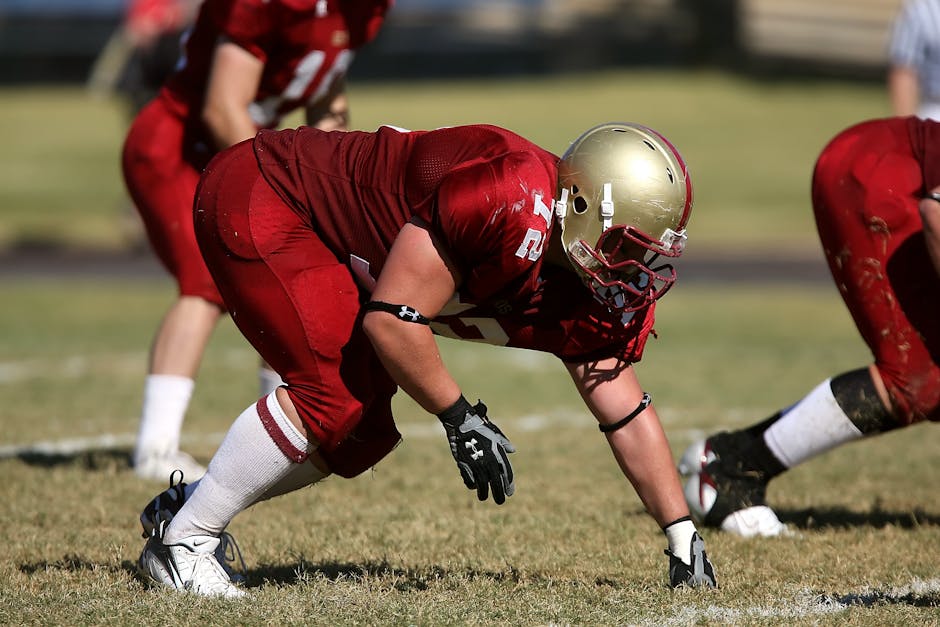
- The NCAA proposes a five-year eligibility rule to allow student-athletes more time to balance academics and sports without sacrificing one for the other.
- Critics view the proposal as a temporary fix, while supporters see it as a step toward modernizing college sports in the era of NIL deals and transfer portals.
- The five-year rule would give athletes more flexibility to manage injuries, pursue dual degrees, or recover from personal setbacks without losing eligibility.
- The proposal is part of a broader reform effort as the NCAA faces existential legal threats, including antitrust lawsuits and federal legislation.
- Extending eligibility from four to five years could reduce burnout and increase graduation rates among college student-athletes.
Can college athletes finally get both a fair shot at education and a realistic path to professional careers without sacrificing one for the other? This question has intensified as the NCAA faces a wave of lawsuits challenging its long-standing amateurism model. With mounting pressure over athlete compensation, medical care, and time demands, the NCAA is now considering a major policy shift: extending eligibility from four to five years. The move would allow student-athletes to spread their competitive seasons over a longer academic timeline, potentially reducing burnout and increasing graduation rates. But critics argue it’s a band-aid on a broken system, while supporters see it as a necessary step toward modernizing college sports in an era of name, image, and likeness (NIL) deals and transfer portal chaos.
What Is the NCAA’s Proposed Five-Year Eligibility Rule?

The NCAA is exploring a rule change that would allow student-athletes to compete over a five-year period instead of the current four, while still maintaining four seasons of competition. This model, inspired by adjustments made during the COVID-19 pandemic, would give athletes more flexibility to manage injuries, redshirt strategically, pursue dual degrees, or recover from personal setbacks without losing eligibility. The proposal is part of a broader reform effort as the association faces existential legal threats, including antitrust lawsuits and federal legislation pushing for greater athlete protections. While the rule wouldn’t automatically grant an extra year of play, it would extend the window in which athletes can use their four seasons, potentially aligning college sports more closely with the academic realities students face. The NCAA’s working groups are reviewing the proposal ahead of potential votes in 2025.
What Evidence Supports Extending Eligibility?

Data from the pandemic-era waiver, which granted an extra year of eligibility to athletes in 2020 and 2021, shows that many students benefited academically and physically. According to a 2023 NCAA report, graduation rates for athletes who used the extra year rose by nearly 8% compared to previous cohorts. The NCAA’s own research indicates that flexibility in eligibility correlates with higher degree completion, especially in demanding sports like football and basketball. Coaches and athletic directors have also voiced support, citing improved mental health outcomes and better team continuity. “This isn’t just about sports — it’s about education,” said Ohio State athletic director Gene Smith in a recent interview with The Athletic. Legal experts note that such reforms could help the NCAA fend off lawsuits by demonstrating a commitment to athlete welfare, particularly in cases like House v. NCAA, which alleges the association restricted athlete compensation in violation of antitrust law.
What Are the Counterarguments to the Five-Year Rule?

Despite the momentum, some analysts and coaches warn that the five-year eligibility model could create unintended consequences. Critics argue it might prolong the physical toll on athletes without guaranteeing additional compensation, especially in revenue-generating sports where injury risks are high. There are also concerns about roster management: if more athletes stay an extra year, younger recruits may have fewer opportunities to play. Smaller programs without the financial resources of Power Five schools could struggle to support extended scholarships. Additionally, some legal scholars believe the proposal doesn’t go far enough. “This is symbolic reform,” said Ellen Staurowsky, a sports management professor at Drexel University, in a 2024 AP News analysis. “Until the NCAA addresses profit-sharing and healthcare, eligibility extensions are just window dressing.” Others worry the rule could be exploited by programs to retain star players without addressing systemic inequities.
What Real-World Impact Could This Change Have?

If adopted, the five-year eligibility rule could reshape college sports at multiple levels. For athletes, it could mean the ability to pursue graduate degrees while still competing, as seen with former Alabama quarterback Bryce Young, who returned for a fifth year to complete his degree. Programs may see higher retention and graduation rates, improving their Academic Progress Rate (APR) scores and reducing NCAA sanctions. The rule could also influence NIL collectives, which might offer extended support to athletes who stay longer. At the conference level, the change could prompt adjustments in scheduling and scholarship allocations. For example, the Big Ten has already begun discussing how extended eligibility might affect revenue distribution. Meanwhile, the shift reflects a broader cultural recognition that college athletes are students first — a principle gaining traction as public opinion turns against strict amateurism.
What This Means For You
Whether you’re a college athlete, a parent, or a fan, the potential shift to five-year eligibility signals a changing landscape in amateur sports. It suggests that athlete well-being and education are gaining priority over rigid competition timelines. For current and prospective student-athletes, this could mean greater control over their academic and athletic journeys. The rule, if passed, may also encourage other reforms, such as healthcare guarantees and cost-of-attendance stipends. While it won’t solve all the inequities in college sports, it marks a pivotal step toward a more sustainable model.
But the fundamental question remains: if college athletes generate billions in revenue, should eligibility extensions be enough — or is it time to reconsider the very definition of amateurism in American sports? As legal battles continue and public scrutiny grows, the NCAA’s choices in the coming years could determine the future of college athletics as we know it.
Source: Reddit