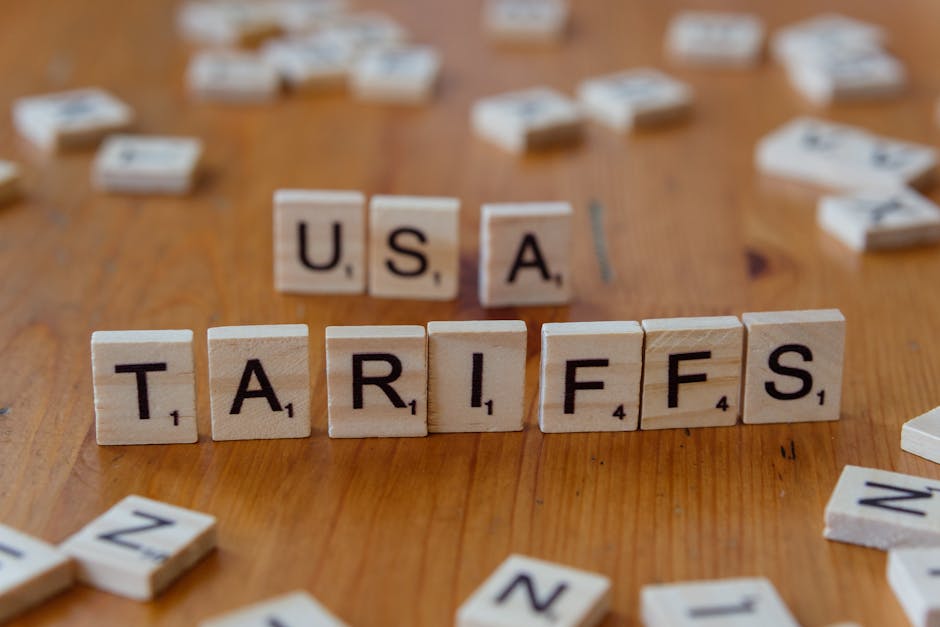
- E.l.f. Beauty is reversing price increases from last year, initially implemented to offset the impact of import tariffs.
- Rising gas prices and reduced consumer spending on non-essential items are driving the pricing strategy shift.
- The company previously raised prices by $1 per product in August 2023 to cover tariff-related cost increases.
- Tariffs have significantly impacted companies relying on imported goods, with cost hikes reaching up to 25% for some firms.
- E.l.f. Beauty aims to maintain competitiveness and support consumer demand by adjusting its pricing approach.
Executive summary: E.l.f. Beauty, a leading cosmetics company, has announced plans to roll back some of the price increases it implemented last year to offset the impact of tariffs. The decision comes as consumers are feeling the pinch of high gas prices and reduced disposable income, leading to a decline in spending on non-essential items. As a result, E.l.f. Beauty is adjusting its pricing strategy to remain competitive and support consumer demand.
Tariff-Driven Price Increases: A Necessary Evil

In August last year, E.l.f. Beauty raised its prices by $1 to mitigate the effects of tariffs imposed on imported goods. The company, like many others in the industry, was forced to pass on the increased costs to consumers in order to maintain profit margins. According to a report by Reuters, the tariffs have resulted in significant cost increases for companies that rely heavily on imported goods, with some firms experiencing cost hikes of up to 25%. E.l.f. Beauty’s decision to raise prices was likely a response to these increased costs, but the company is now re-evaluating its pricing strategy in light of changing consumer behavior.
Key Players: E.l.f. Beauty and the Cosmetics Industry

E.l.f. Beauty is a key player in the cosmetics industry, with a reputation for offering high-quality products at affordable prices. The company’s decision to roll back price increases is likely to have a ripple effect throughout the industry, as other companies take note of the changing consumer landscape. According to a report by The New York Times, the cosmetics industry has experienced significant growth in recent years, driven by increasing demand for skincare and makeup products. However, the industry is not immune to economic downturns, and companies like E.l.f. Beauty must adapt to changing consumer behavior in order to remain competitive.
Trade-Offs: Balancing Profit Margins and Consumer Demand

The decision to roll back price increases is a trade-off between maintaining profit margins and supporting consumer demand. On the one hand, E.l.f. Beauty needs to ensure that it is generating sufficient revenue to maintain its business operations and invest in new products and marketing initiatives. On the other hand, the company must also be mindful of the impact of price increases on consumer behavior, particularly in a challenging economic environment. By reducing prices, E.l.f. Beauty is taking a calculated risk that the increased sales volume will offset the potential loss of revenue per unit, thereby supporting the company’s overall growth strategy.
Timing: Why Now?

The decision to roll back price increases comes at a critical juncture for E.l.f. Beauty and the cosmetics industry as a whole. With high gas prices and reduced disposable income, consumers are becoming increasingly price-sensitive, and companies that fail to adapt to these changing circumstances risk losing market share. According to a report by AP News, consumer spending has slowed significantly in recent months, with many households cutting back on non-essential items. By reducing prices now, E.l.f. Beauty is positioning itself to capitalize on the expected rebound in consumer spending when economic conditions improve.
Where We Go From Here
Looking ahead, there are several possible scenarios for E.l.f. Beauty and the cosmetics industry. Firstly, the company may experience a significant increase in sales volume as a result of the price reductions, which could offset the potential loss of revenue per unit. Secondly, the price cuts may not have a significant impact on consumer behavior, and the company may need to consider alternative strategies to drive growth. Finally, the decision to roll back price increases may be seen as a strategic mistake, particularly if the company is unable to maintain its profit margins in the face of increased competition. Ultimately, the outcome will depend on a range of factors, including the state of the economy, consumer behavior, and the competitive landscape.
Bottom line: E.l.f. Beauty’s decision to roll back price increases is a calculated risk that reflects the company’s commitment to supporting consumer demand and adapting to changing economic circumstances. As the cosmetics industry continues to evolve, companies like E.l.f. Beauty must remain agile and responsive to consumer needs in order to remain competitive and drive growth.
Source: CNBC