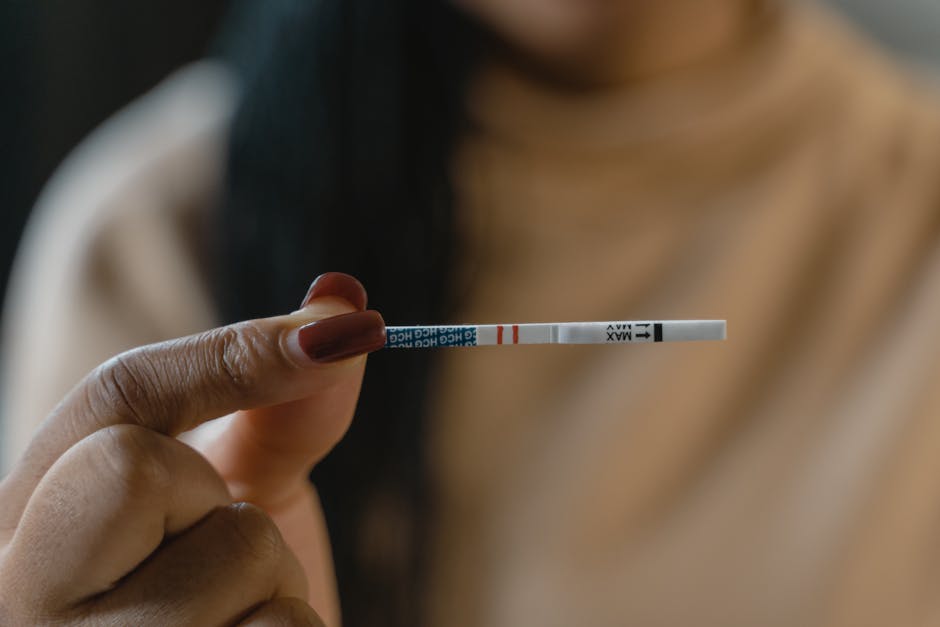
- HPV self-collection allows women to collect their own vaginal samples for cervical cancer screening, skipping the traditional pelvic exam.
- Studies show that HPV self-collection can improve screening completion rates and reduce the number of pelvic exams by approximately one-third.
- HPV self-collection can help overcome barriers to traditional screenings, such as discomfort, embarrassment, or lack of access to healthcare providers.
- The approach can make preventive care more accessible, especially for women with limited access to healthcare or those who experience discomfort during pelvic exams.
- HPV self-collection involves testing for the human papillomavirus (HPV), which is the cause of nearly all cervical cancers.
As cervical cancer remains a significant health concern for women worldwide, a crucial question emerges: how can we improve screening completion rates and make this preventive care more accessible? A recent study published by NEJM Catalyst Innovations in Care Delivery provides valuable insights into this matter, highlighting the potential of HPV self-collection to revolutionize cervical cancer screening.
What is HPV Self-Collection and How Does it Work?

HPV self-collection involves giving patients the option to collect their own vaginal samples to test for the human papillomavirus (HPV), the cause of nearly all cervical cancers. This approach allows women to skip the traditional pelvic exam, which can be a significant barrier to screening for many. The study, conducted by Kaiser Permanente, demonstrates the effectiveness of large-scale, population-based HPV self-collection, both via mail and in clinics, in improving access to preventive care.
Supporting Evidence: The Study’s Findings

The study’s results are promising, with data showing that HPV self-collection can boost screening completion rates and reduce the number of pelvic exams by approximately one-third. According to the researchers, this approach can help overcome barriers to traditional screenings, such as discomfort, embarrassment, or lack of access to healthcare providers. The study’s findings are supported by CDC data on the importance of cervical cancer screening and the need for innovative approaches to improve access to care.
Counter-Perspectives: Addressing Concerns and Limitations

While the study’s results are encouraging, some experts may raise concerns about the accuracy and reliability of self-collected samples. Others may argue that HPV self-collection could lead to a decrease in the detection of other health issues that are typically identified during a pelvic exam. However, the study’s authors address these concerns by highlighting the high accuracy of self-collected samples and the potential for HPV self-collection to be used in conjunction with other screening methods to ensure comprehensive care.
Real-World Impact: Improving Access to Preventive Care

The implementation of HPV self-collection has the potential to make a significant impact on women’s health, particularly in underserved communities where access to healthcare is limited. By providing women with the option to collect their own samples, healthcare providers can help reduce disparities in cervical cancer screening and improve health outcomes. As noted by the World Health Organization, innovative approaches like HPV self-collection are crucial in the global effort to eliminate cervical cancer.
What This Means For You
The study’s findings have important implications for women’s health, highlighting the potential for HPV self-collection to improve access to preventive care and reduce barriers to screening. By understanding the benefits and limitations of this approach, women can make informed decisions about their healthcare and take an active role in maintaining their reproductive health.
As researchers continue to explore the potential of HPV self-collection, an important question remains: how can we ensure that this innovative approach is integrated into existing healthcare systems and made accessible to all women, regardless of their background or socioeconomic status? The answer to this question will be crucial in determining the long-term impact of HPV self-collection on women’s health and the fight against cervical cancer.
Source: MedicalXpress