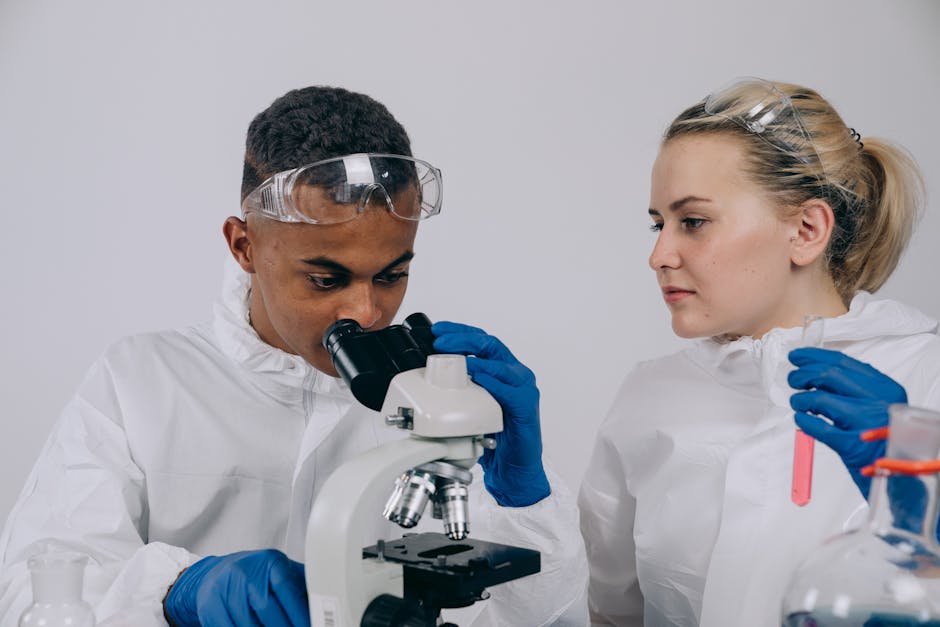
- Cardiac organoids offer a promising new approach to myocardial repair after infarction.
- These 3D cell cultures mimic the heart’s tissue, including the muscular layer, which could help restore cardiac function.
- Current treatments for heart attack survivors focus on prevention and symptom management, but do not address tissue damage.
- Cardiac organoids are derived from stem cells and have the potential to self-organize into functional heart tissue.
- Regenerative medicine using cardiac organoids could revolutionize the treatment and management of heart attack survivors.
Myocardial infarction, commonly known as a heart attack, remains one of the leading causes of death worldwide, accounting for over 17.9 million deaths per year, according to the World Health Organization. The aftermath of an infarction often results in irreversible damage to the heart muscle, which is subsequently replaced by scar tissue. While this scar tissue is structurally necessary, it compromises cardiac function and may lead to chronic heart failure, significantly impacting the quality of life for survivors. Recent advancements in cardiac organoids, however, offer a promising avenue for myocardial repair, potentially revolutionizing the treatment and management of heart attack survivors.
The Emergence of Cardiac Organoids in Myocardial Repair

The development and application of cardiac organoids have gained significant attention in recent years due to their potential in regenerative medicine. These three-dimensional cell cultures are derived from stem cells and can self-organize into structures that mimic the heart’s tissue, including the myocardium, the heart’s muscular layer. The reason this matters now is the urgent need for innovative treatments that can address the shortcomings of current therapies for myocardial infarction. Traditional treatments focus on preventing further heart attacks and managing symptoms but do not directly address the repair of damaged heart tissue. Cardiac organoids, with their ability to replicate heart tissue, present a novel approach to directly repairing or replacing damaged myocardium, thereby restoring heart function.
Key Developments in Cardiac Organoid Research

Researchers have made significant strides in understanding how cardiac organoids can be used for myocardial repair. Studies have shown that these organoids can integrate into existing heart tissue in animal models, leading to improved heart function after an infarction. The process involves differentiating stem cells into cardiac cells, which are then assembled into organoids. These organoids are then implanted into the damaged area of the heart, where they can contribute to the repair of the myocardium. Companies and research institutions, such as those affiliated with nature.com, are at the forefront of this research, pushing the boundaries of what is possible with cardiac organoid technology.
Analysis of Cardiac Organoids’ Potential and Challenges

The potential of cardiac organoids to revolutionize myocardial repair is vast, but it is not without its challenges. One of the critical aspects under analysis is the long-term safety and efficacy of these organoids in humans. While animal studies have shown promising results, the translation to human therapy requires rigorous clinical trials to ensure that the benefits outweigh the risks. Additionally, the scalability and accessibility of cardiac organoid technology are being scrutinized, as the cost and complexity of producing these organoids could limit their availability to patients who need them. Despite these challenges, experts believe that the progress made so far warrants continued investment and research into cardiac organoids, given their potential to significantly improve outcomes for heart attack survivors.
Implications for Heart Attack Survivors and Healthcare Systems

The implications of successful cardiac organoid therapy for myocardial repair are profound. For survivors of heart attacks, the possibility of restoring heart function and preventing the progression to chronic heart failure offers a significantly improved quality of life. From a healthcare perspective, effective myocardial repair could reduce the economic burden associated with long-term care for heart failure patients, as well as decrease the demand for heart transplants. Furthermore, the development of cardiac organoid technology could pave the way for other regenerative medicine applications, addressing a range of cardiovascular diseases and potentially saving millions of lives worldwide.
Expert Perspectives
Experts in the field of cardiology and regenerative medicine have contrasting viewpoints on the immediate potential of cardiac organoids. Some believe that while the technology shows promise, it is still in its infancy, and significant technical hurdles must be overcome before it can be widely adopted. Others are more optimistic, pointing to the rapid advancements in stem cell biology and tissue engineering as indicators that cardiac organoid therapy could become a clinical reality sooner rather than later. According to sciencedaily.com, ongoing research aims to address these challenges and bring this innovative treatment to patients.
Looking forward, one of the open questions is how cardiac organoid technology will be integrated into existing treatment protocols for myocardial infarction. Will it be used as a standalone therapy, or will it be combined with other treatments to enhance its efficacy? The answer to this question will depend on the outcomes of ongoing and future clinical trials. As research progresses, it is clear that cardiac organoids represent a beacon of hope for the millions of people worldwide affected by heart disease, offering a potential solution to one of medicine’s most enduring challenges.
Source: MedicalXpress