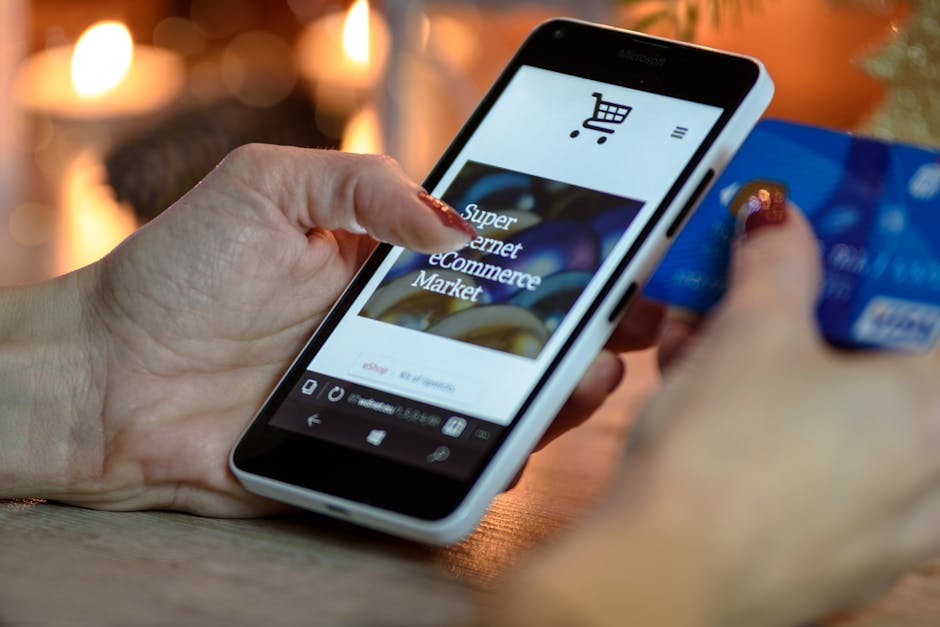
- Buy now, pay later services have become increasingly popular, with global transaction volume surpassing $150 billion in 2023.
- BNPL platforms often don’t require hard credit checks, making them appealing to consumers with poor credit or no credit history.
- The ‘buy now, pay later’ model can normalize debt and erode long-term financial discipline, particularly among younger users.
- BNPL services typically don’t charge interest upfront, but consumers may still face fees and high interest rates later on.
- Experts warn that BNPL usage can lead to overextension and debt, rather than empowerment, for financially inexperienced users.
At a suburban apartment in Austin, Texas, 28-year-old graphic designer Lena Tran scrolls through her shopping app, splitting the cost of a new laptop into four interest-free payments. To her, it feels like a win: no upfront burden, no credit check, no problem. Across the country, millions are making the same choice, lured by the seamless checkout buttons labeled “Pay in 4” or “Split it.” These features, once fringe, now anchor the digital shopping experience, embedded in platforms from Amazon to Etsy. Behind the smooth interface, however, lies a growing concern: as BNPL services go mainstream, financial experts warn they are normalizing debt while eroding long-term financial discipline. What feels like empowerment may, in fact, be a slow slide into overextension, particularly among younger, financially inexperienced users.
BNPL Usage Skyrockets Amid E-Commerce Growth

The ‘buy now, pay later’ (BNPL) model has exploded in popularity, with global transaction volume surpassing $150 billion in 2023, according to Statista data reported by Reuters. Services like Afterpay, Klarna, and Affirm allow consumers to make immediate purchases and repay in installments, often with no interest—at least initially. Unlike traditional credit cards, BNPL platforms typically don’t require hard credit checks, making them accessible to younger or credit-inexperienced users. This ease of access has fueled adoption: a 2023 Federal Reserve survey found that nearly 60% of U.S. adults have used a BNPL service, with usage highest among millennials and Gen Z. While marketed as budgeting tools, critics argue they encourage impulsive spending by decoupling purchase from payment, creating a psychological disconnect that can lead to debt accumulation across multiple platforms.
The Rise of Fintech and the Normalization of Instant Credit

BNPL is the latest evolution in a decades-long shift toward instant consumer credit. Its roots trace back to layaway plans of the mid-20th century, but the real transformation began with the digitalization of finance in the 2010s. Startups in Sweden and Australia pioneered the modern BNPL model, leveraging algorithms to assess credit risk in real time without traditional banking infrastructure. By 2020, the pandemic accelerated its adoption, as online shopping surged and economic uncertainty made installment plans appealing. Companies capitalized on the moment, partnering with major retailers and embedding their services directly into checkout flows. Unlike credit cards, which carry visible interest rates and minimum payments, BNPL’s “interest-free” messaging masks the cost of delayed payment. Regulatory scrutiny lagged behind innovation, allowing these services to expand with minimal oversight, even as consumer protection advocates raised red flags about transparency and accountability.
The Players Shaping the BNPL Landscape

The BNPL industry is dominated by a mix of agile fintech startups and entrenched financial giants. Klarna, founded in Sweden in 2005, became a global poster child for the model, reaching a $45 billion valuation in 2021 before retrenching amid rising interest rates. Affirm, co-founded by PayPal veteran Max Levchin, has positioned itself as a more transparent alternative, disclosing fees upfront and avoiding revolving debt. Meanwhile, tech and retail behemoths like Apple and Amazon have launched their own BNPL offerings, integrating them into broader ecosystems. These companies argue they are democratizing access to credit, especially for the underbanked. But consumer advocates like Dr. Tanya Marsh, a personal finance expert at Wake Forest University, counter that the real beneficiaries are retailers, who see higher conversion rates and larger basket sizes when BNPL is available. “The incentives are misaligned,” Marsh warns. “Platforms profit from volume, not consumer outcomes.”
Consequences for Consumers and the Financial System

While BNPL can offer short-term flexibility, the risks are mounting. A 2022 study by the Consumer Financial Protection Bureau found that one in five BNPL users had defaulted on a payment, often triggering late fees that can reach $10 or more per installment. Because many BNPL providers don’t consistently report to credit bureaus, borrowers may not realize their debt load is damaging their creditworthiness until it’s too late. The fragmentation of debt across multiple platforms further complicates financial management. For vulnerable populations—including low-income households and young adults—the lack of financial literacy can turn a tool for budgeting into a trap. On a macro level, regulators worry that unsecured consumer debt, now estimated at over $17 trillion in the U.S., could become more volatile if BNPL defaults rise during an economic downturn. The sector remains largely unregulated compared to traditional credit, leaving consumers with fewer protections.
The Bigger Picture
The BNPL boom reflects a broader transformation in how society relates to money: immediate gratification, frictionless transactions, and the blurring of borrowing and budgeting. As financial technology reshapes behavior, the line between convenience and compulsion grows thinner. While innovation can empower, it also demands vigilance—from users, educators, and policymakers. Without stronger safeguards, the promise of financial inclusion risks becoming a pathway to deeper inequality. The real cost of ‘buy now’ may not be in the payment plan, but in what we’re losing: the discipline to wait, plan, and spend with intention.
What comes next may depend on regulation. The CFPB is currently evaluating whether BNPL providers should be subject to the same rules as credit card issuers, including interest rate caps and credit reporting requirements. Until then, consumers are left to navigate a complex, fast-moving landscape on their own. Financial literacy programs, clearer disclosures, and platform-level spending limits could help. But as long as the psychology of instant access drives profit, the temptation to spend—and the risk of falling behind—will remain just a click away.
Source: Komonews