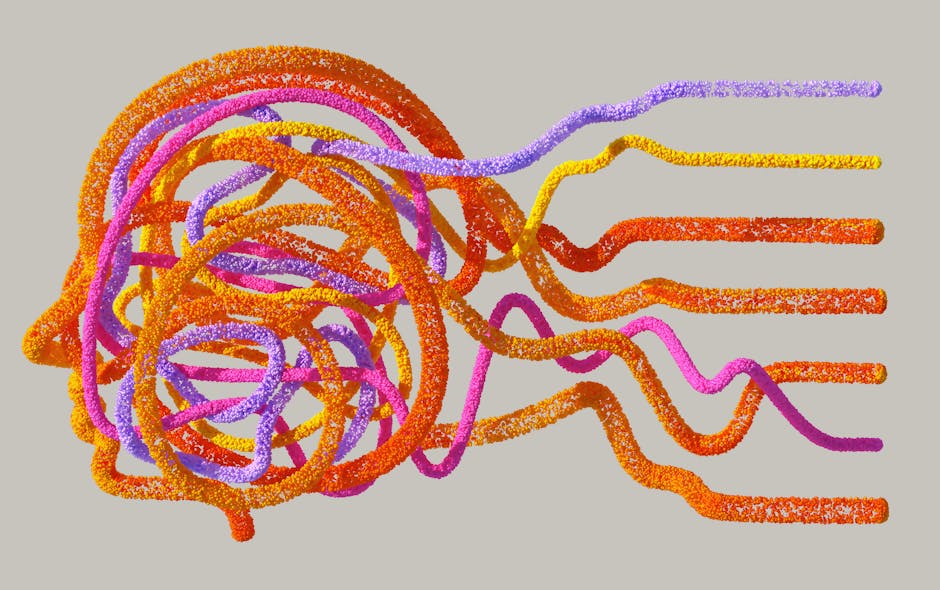
- 78% of users on GLP-1s reported a significant reduction in food cravings and obsessive thoughts.
- GLP-1s, such as Ozempic and Wegovy, appear to target brain regions linked to reward, motivation, and impulse control.
- The growing body of evidence suggests that these medications can reshape the relationship between the brain and food.
- The phenomenon of ‘food noise’ is a common experience among those taking GLP-1s, characterized by a decrease in food-related cognitive intrusions.
- GLP-1s may offer a new approach to addressing food addiction and weight management by silencing the ‘voice’ that drives cravings.
In a quiet suburban kitchen one Tuesday morning, Maria Gonzalez, 47, stood before her pantry and felt something unfamiliar: indifference. For most of her adult life, the sight of cereal boxes, chocolate bars, or even a half-empty jar of peanut butter had triggered an internal monologue—urgent, insistent, impossible to ignore. ‘Just one bite,’ it would whisper. ‘You deserve it after that meeting.’ But over the past six months, since starting a GLP-1 drug prescribed for weight management, that voice has softened, then faded. ‘It’s not that I don’t like food anymore,’ she says. ‘It’s that food doesn’t scream at me.’ This phenomenon—dubbed ‘food noise’ by researchers and patients alike—is at the heart of a growing body of evidence showing how a new generation of metabolic medications is reshaping not just body weight, but the very relationship between the brain and food.
How GLP-1s Quiet Cravings in the Brain

A recent study published in the journal Cell Metabolism has provided some of the clearest evidence yet that GLP-1 receptor agonists like Ozempic (semaglutide), Wegovy, and Mounjaro (tirzepatide) significantly reduce food-related cognitive intrusions—commonly referred to as ‘food noise.’ Researchers surveyed over 20,000 individuals using these medications and found that more than three-quarters reported a marked decrease in obsessive thoughts about food. These drugs appear to act on regions of the brain tied to reward, motivation, and impulse control, particularly the hypothalamus and the nucleus accumbens. By enhancing satiety signals and dampening dopamine-driven cravings, GLP-1s don’t just make people eat less—they alter the psychological pull of food. According to the study, participants described feeling ‘freed’ from constant hunger calculations, meal anticipation, and guilt cycles, with many reporting they could now walk past a bakery without a second thought. The findings suggest these medications may be addressing the neurological underpinnings of disordered eating, not just its physical symptoms.
The Science Behind the Shift

The journey to understanding food noise began decades ago, but only recently has neuroscience caught up with patient experience. GLP-1 drugs were originally developed to treat type 2 diabetes by mimicking a hormone that regulates insulin and glucose. But as clinicians noticed dramatic weight loss in diabetic patients, researchers began probing deeper. It wasn’t just that people felt fuller faster; they were making different food choices—opting for vegetables over fries, skipping desserts without struggle. Functional MRI studies later showed reduced activity in brain regions associated with food reward when participants viewed high-calorie foods. This led to the concept of ‘food noise’ as a measurable cognitive burden, akin to obsessive-compulsive thought loops. The term gained traction through patient communities and was later adopted in clinical literature. Now, with large-scale data confirming its reduction on GLP-1s, the medical community is re-evaluating obesity not as a failure of willpower, but as a condition involving dysregulated brain signaling that can be therapeutically modulated.
The Patients and Physicians Shaping the Conversation

Patients like Maria Gonzalez are central to this shift, but so are clinicians such as Dr. Amy Lee, an endocrinologist at Cedars-Sinai Medical Center who has been prescribing GLP-1s for over a decade. ‘We used to focus solely on calories in, calories out,’ she says. ‘Now we’re treating the brain’s role in appetite.’ Many prescribers report that patients on these drugs often describe emotional breakthroughs—eating in response to hunger rather than stress, trauma, or boredom. Meanwhile, pharmaceutical researchers are racing to understand which components of GLP-1 drugs drive these cognitive effects, particularly with dual and triple agonists like retatrutide, which target multiple metabolic pathways. Patient advocacy groups, such as the Obesity Action Coalition, emphasize the importance of destigmatizing weight-loss medications and ensuring equitable access, noting that food noise disproportionately affects those with binge-eating disorder and insulin resistance. Together, patients, doctors, and scientists are reframing obesity treatment around brain health, not just body mass.
Long-Term Implications for Health and Behavior

The ability of GLP-1 drugs to quiet food noise has far-reaching consequences. For individuals with obesity, this mental relief can lead to sustained lifestyle changes, improved glycemic control, and reduced cardiovascular risk. But challenges remain: access is limited by cost and insurance coverage, and some patients experience gastrointestinal side effects. There are also concerns about long-term dependency and what happens when medication stops. Still, the psychological benefit—freedom from obsessive food thoughts—may be as valuable as weight loss itself. Mental health professionals are beginning to integrate these medications into treatment plans for eating disorders, and public health experts suggest that reducing food noise could help break cycles of yo-yo dieting. If future research confirms lasting neural reprogramming, GLP-1s could become a cornerstone of metabolic and behavioral health care.
The Bigger Picture
This research marks a turning point in how society understands appetite and self-control. By validating food noise as a real, treatable condition, science is dismantling outdated myths about laziness or lack of discipline. It underscores that metabolic health is inseparable from mental health, and that effective treatments must address both. As GLP-1 drugs become more widely used, they offer a model for treating complex behaviors through biological intervention—one that could influence how we approach addiction, compulsive behaviors, and even decision-making.
What comes next may be a new era in medicine, where the line between psychiatric and metabolic treatment blurs. Ongoing trials are exploring GLP-1s for alcohol use disorder and compulsive shopping, suggesting these drugs may modulate broader reward pathways. For millions struggling with food noise, the quiet they’ve found isn’t just about losing weight—it’s about reclaiming mental space, autonomy, and peace. As research advances, the question won’t be whether we should use these drugs, but how best to integrate them into a holistic vision of health.
Source: Healthline