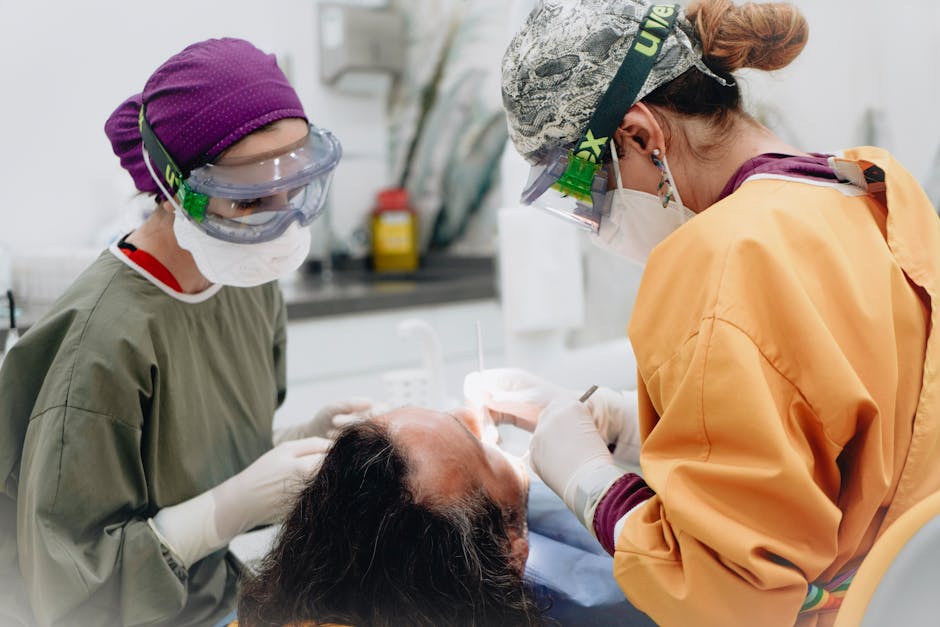
- Indigenous knowledge and cultural safety protocols are being integrated into healthcare systems in 6 countries to improve health outcomes for Indigenous populations.
- Decolonizing healthcare involves recognizing and respecting Indigenous cultural contexts, spiritual beliefs, and community-based decision-making.
- Conventional Western healthcare models often fail Indigenous patients by dismissing their cultural contexts and traditional healing practices.
- Systemic change is urgent to address the poorer health outcomes experienced by Indigenous communities worldwide.
- Health system reforms can be linked to improved health outcomes when they incorporate Indigenous knowledge and governance.
When an Indigenous woman gives birth in a hospital in parts of Canada, the placenta is not discarded—it is respectfully saved for ceremonial burial. Family members fill the room, not as visitors, but as essential participants in the process. A quiet, culturally safe space is provided, not as an exception, but as standard care. These practices, once considered fringe adaptations, are now recognized as core components of a broader movement to decolonize healthcare. A recent systematic review published in the International Journal for Equity in Health analyzed health system reforms across six countries—Canada, New Zealand, Australia, Norway, Sweden, and the United States—and found that integrating Indigenous knowledge, governance, and cultural safety protocols is not only feasible but linked to improved health outcomes for Indigenous populations.
The Urgency of Systemic Change

For decades, Indigenous communities worldwide have reported poorer health outcomes, including higher rates of chronic disease, maternal mortality, and mental health crises, compared to non-Indigenous populations. These disparities are not accidental but rooted in colonial legacies: forced displacement, systemic racism in medical settings, and the erasure of traditional healing practices. The new review underscores that conventional Western healthcare models often fail Indigenous patients by dismissing their cultural contexts, spiritual beliefs, and community-based decision-making. What makes this moment significant is the growing body of evidence showing that when health systems actively incorporate Indigenous worldviews—such as relationality, land-based healing, and collective well-being—patients report higher satisfaction, increased treatment adherence, and better clinical results. The shift is no longer just ethical; it is empirically supported.
Elements of Decolonized Care in Practice

The review identified seven key elements consistently present in successful decolonization efforts. First, Indigenous governance: health programs led or co-managed by Indigenous nations. Second, cultural safety training for all staff, moving beyond cultural competence to address power imbalances and systemic bias. Third, integration of traditional healing practices—such as smudging, elder consultations, and land-based therapy—into clinical care plans. Fourth, family and community inclusion in medical decisions. Fifth, language preservation, including the use of Indigenous languages in patient intake and counseling. Sixth, redesign of physical spaces to reflect cultural values, such as circular seating arrangements and access to outdoor healing gardens. And seventh, data sovereignty: Indigenous control over health data collection and usage. In New Zealand, for example, Māori-led clinics have reduced diabetes hospitalizations by 38% over five years by embedding cultural practices into care models. In Australia, Aboriginal Community Controlled Health Services now deliver care to over 3.5 million patients annually, with outcomes surpassing mainstream services in key indicators.
Driving Change: Beyond Symbolism to Structural Reform

What separates these initiatives from tokenism is their grounding in structural reform. The study found that programs with the most impact were those where Indigenous communities held decision-making authority, not just advisory roles. In Canada, the Inuit-led Nunavut Health Strategy prioritizes Inuktitut language services and community hunters as mental health support workers, recognizing that wellness extends beyond clinical walls. In Sweden, Sámi health programs include reindeer-herding breaks for patients managing stress, acknowledging the deep connection between cultural continuity and mental health. These models challenge the biomedical dominance of global health systems by asserting that healing is not solely the domain of doctors and hospitals, but of families, elders, and the land. Data from the World Health Organization supports this approach, showing that community-led health interventions reduce inequities more effectively than top-down policies.
Implications for Global Health Equity

The implications of this shift are profound. For Indigenous patients, decolonized care means being seen, heard, and treated with dignity. For healthcare systems, it offers a roadmap to equity in historically marginalized populations. For policymakers, it presents a challenge: to redistribute power, not just resources. The review warns that without genuine self-determination, efforts risk becoming performative—such as displaying Indigenous art in clinics without altering clinical protocols or power structures. However, when done authentically, the benefits ripple outward: improved trust in health systems, lower long-term costs, and stronger community resilience. As climate change and pandemics disproportionately impact Indigenous regions, integrating traditional ecological knowledge into public health planning becomes not just symbolic, but strategic.
Expert Perspectives
Experts are divided on the scalability of these models. Dr. Marcia Anderson, an Indigenous physician and public health leader in Canada, argues that “decolonization is not a program, it’s a paradigm shift”—one that requires dismantling colonial hierarchies in medicine. Others, like Dr. Richard Chen, a health policy analyst at the University of Melbourne, caution that while cultural integration is vital, it must be paired with sustained funding and workforce training to avoid burnout in Indigenous-led services. Still, there is consensus that the evidence base is growing: a 2023 Lancet Commission on Indigenous health called for global adoption of self-determined health systems, citing both moral and medical imperatives.
The path forward remains complex. Can national health systems truly share power with Indigenous nations? Will funding models evolve to support long-term community control? And how can non-Indigenous providers be held accountable in cultural safety? The answers will shape not only the future of Indigenous health but the very definition of equitable care. As one Inuit elder put it during a Nunavut health forum: “When you honor our ways, you don’t just improve our health—you heal the system itself.”
Source: MedicalXpress