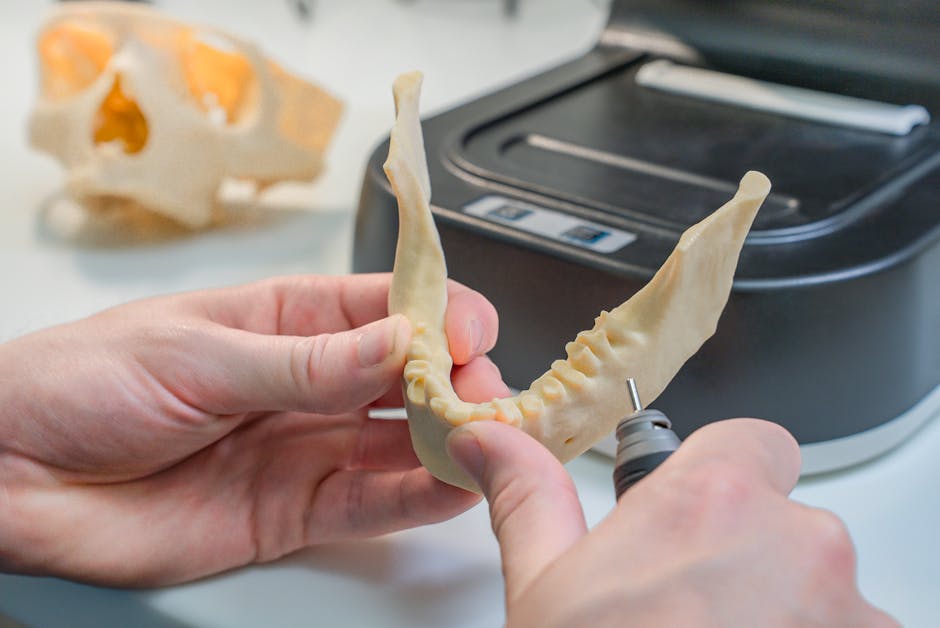
- A 3D-printed hydrogel implant can detect elevated blood pressure and release antihypertensive drugs in real time, potentially revolutionizing hypertension treatment.
- The implant has shown promising results in preclinical trials, reducing systolic pressure by up to 20% within hours and maintaining stable levels for over two weeks.
- This pioneering technology may eliminate the need for daily medication, offering a more personalized approach to treating hypertension.
- The hydrogel implant addresses limitations of traditional oral medications, which often have variable absorption and systemic side effects.
- A team at the University of Toronto and Boston University collaborated to develop the groundbreaking implant, addressing the need for a more responsive treatment option.
One in three adults worldwide suffers from high blood pressure, a silent condition responsible for nearly 11 million deaths annually—more than any other single risk factor for cardiovascular disease. Current treatments require strict medication adherence, which many patients struggle to maintain. Now, a pioneering study reveals a 3D-printed hydrogel implant capable of autonomously detecting elevated blood pressure and releasing antihypertensive drugs in real time. In preclinical trials, the implant reduced systolic pressure by up to 20% within hours and maintained stable levels for over two weeks, marking a potential paradigm shift in chronic disease management. This responsive, implantable system may one day eliminate the need for daily medication, offering a smarter, more personalized approach to treating hypertension.
The Rise of Responsive Biomedical Implants

Hypertension is a chronic condition that demands constant physiological balance, yet traditional treatment relies on fixed-dose oral medications that do not adapt to the body’s fluctuating needs. Missed doses, variable absorption, and systemic side effects often limit their effectiveness. The new hydrogel-based implant, developed by a team at the University of Toronto in collaboration with researchers at Boston University, addresses these shortcomings by functioning as a closed-loop therapeutic system. Published in Nature Biomedical Engineering, the study details how the implant senses mechanical strain from arterial pressure and triggers drug release through a nanoengineered response mechanism. This innovation arrives amid growing interest in bioelectronic medicine and smart implants, as scientists seek to merge materials science with physiology to create self-regulating therapies for chronic diseases.
How the Hydrogel Implant Works

The device is fabricated using a specialized 3D bioprinting technique that layers a stimuli-responsive hydrogel around micro-reservoirs of the antihypertensive drug verapamil. The hydrogel is engineered with mechanosensitive pores that expand under increased vascular pressure. When blood pressure rises, the physical strain on the implant causes the pores to open, allowing the drug to diffuse into the surrounding tissue and enter the bloodstream. Once pressure normalizes, the pores close, halting further release. The implant was tested in hypertensive rat models, where it was wrapped around the carotid artery to monitor and modulate pressure locally. Researchers observed precise, dose-responsive reductions in blood pressure without overshoot or toxicity, demonstrating the system’s ability to mimic the body’s natural feedback loops. The entire device is biodegradable, dissolving safely after several weeks, making it suitable for both temporary and long-term applications with periodic replacement.
Engineering a Smarter Response to Hypertension

The success of the implant lies in its dual-function design: mechanical sensing and drug delivery are integrated within a single, compact structure. Traditional drug-eluting devices often rely on timers or external signals, but this system operates entirely autonomously, responding only when needed. The hydrogel’s polymer matrix is tuned to react within a specific pressure threshold—typically above 140 mmHg systolic—ensuring it activates only during hypertensive episodes. This on-demand approach minimizes drug exposure, reducing the risk of hypotension and other side effects associated with continuous medication. According to the study’s lead bioengineer, Dr. Xiaoyi Feng, “This is the first demonstration of a fully autonomous, pressure-responsive implant that doesn’t require electronics or external power.” Such a system could be especially beneficial for patients with resistant hypertension or those who face barriers to consistent medication access.
Implications for Global Health and Chronic Care

If translated to humans, this technology could transform the management of hypertension, a condition affecting over 1.3 billion people globally. For elderly patients, those with cognitive impairments, or individuals in low-resource settings, an implant that eliminates daily pill regimens would significantly improve treatment adherence and outcomes. Moreover, because the device can be customized to release different drugs or combinations, it may be adapted for other conditions involving physiological feedback loops, such as glucose regulation in diabetes or hormone delivery in endocrine disorders. The biodegradable nature of the implant also reduces long-term complications, avoiding the need for surgical removal. However, scaling production and ensuring consistent performance across diverse patient anatomies remain key challenges before clinical deployment.
Expert Perspectives
While the technology has drawn praise for its elegance and potential, some experts urge caution. Dr. Lena Torres, a cardiovascular physiologist at the Mayo Clinic not involved in the study, noted, “The data are compelling in rodents, but arterial mechanics in humans are far more complex.” She emphasizes the need to evaluate long-term tissue compatibility and potential inflammatory responses. Conversely, Dr. Rajiv Mehta, a biomedical innovator at MIT, calls the work “a milestone in responsive biomaterials,” stating that it “bridges a critical gap between drug delivery and real-time physiology.” Regulatory and manufacturing hurdles remain, but the consensus is that this approach opens a new frontier in precision medicine.
Looking ahead, researchers are exploring ways to extend the implant’s lifespan and integrate remote monitoring capabilities via biocompatible sensors. Clinical trials in larger animals are expected within two years, with human studies potentially beginning by 2027. One open question is whether the body’s adaptive mechanisms—such as baroreceptor sensitivity—might influence the implant’s long-term efficacy. As bioengineering advances, the line between medical device and biological system continues to blur, promising a future where implants don’t just treat disease, but actively participate in maintaining health.
Source: 3dnatives