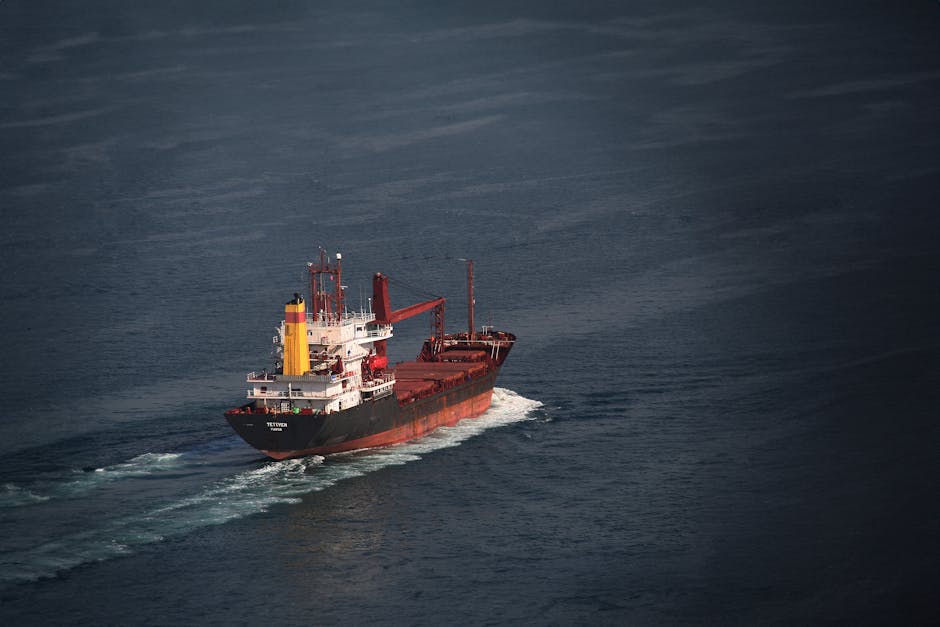
- Wind-assisted cargo ships can reduce fuel consumption by over 50% and eliminate it entirely in ideal conditions.
- Strategic routing combined with modern wind propulsion technologies can cut emissions without sacrificing speed or capacity.
- Wind-assisted cargo ships represent a scalable near-term solution for decarbonizing global shipping.
- Shipping routes that follow optimal wind corridors using wind-assist technology can achieve significant fuel savings.
- Flettner rotors and automated sail systems can operate ships without engine power for extended periods in ideal conditions.
Wind-assisted cargo ships, when routed strategically to harness favorable wind patterns, could reduce fuel consumption by more than half—and in some cases eliminate it entirely—according to new modeling from climate and maritime researchers. By combining modern wind propulsion technologies such as rigid sails, rotors, and kites with intelligent route planning algorithms, shipping operators can dramatically cut emissions without sacrificing speed or capacity. This shift represents one of the most scalable near-term solutions for decarbonizing global shipping, an industry responsible for nearly 3% of global CO₂ emissions and projected to grow without intervention.
Wind Routing Yields Major Fuel Reductions

A 2023 study published in Nature Climate Change analyzed over 150,000 historical shipping routes and simulated the impact of rerouting vessels to follow optimal wind corridors using wind-assist technology. The results showed an average fuel savings of 52%, with some transoceanic voyages achieving up to 89% reduction in diesel consumption. In ideal conditions—particularly on eastbound Pacific and southern Atlantic routes—ships equipped with Flettner rotors or automated sail systems required no engine power at all for stretches exceeding 48 hours. These findings challenge long-standing assumptions that wind-assisted shipping is only marginally efficient, demonstrating instead that intelligent navigation can unlock transformative energy savings. The data further indicates that wind-optimized routing could prevent up to 120 million tons of CO₂ annually if adopted across 30% of the global bulk carrier fleet.
Key Players Driving Wind Propulsion Adoption

Several maritime technology firms and shipping companies are leading the charge in commercializing wind-assisted propulsion. Japan’s NYK Line and France’s CMA CGM have already deployed vessels equipped with telescopic solid sails and rotor sails, respectively, while Dutch startup Econogy has retrofitted bulk carriers with automated rigid sails that adjust in real time to wind conditions. Meanwhile, the UK-based company bound4blue has installed its SeaWing kite propulsion systems on multiple cargo ships, reporting average fuel savings of 20–30% on North Atlantic routes. Classification societies such as DNV and Lloyd’s Register are updating safety and performance standards to accommodate these innovations, and the International Maritime Organization (IMO) has included wind propulsion in its revised 2023 greenhouse gas reduction strategy. These coordinated efforts signal growing institutional confidence in wind technology as a core component of maritime decarbonization, not just a niche experiment.
Trade-Offs Between Efficiency, Cost, and Infrastructure

While the environmental benefits are clear, the transition to wind-assisted shipping presents economic and operational trade-offs. Retrofitting a medium-sized cargo vessel with rotor sails or rigid wings can cost between $2 million and $5 million, with payback periods ranging from five to eight years depending on fuel prices and utilization. Additionally, wind-optimized routing may extend voyage durations by 5–15% on certain routes, potentially affecting just-in-time logistics chains. However, rising carbon pricing under mechanisms like the EU Emissions Trading System (ETS), which now includes maritime fuels, improves the financial case for wind adoption. Moreover, hybrid systems that combine wind with low-carbon fuels such as green ammonia or methanol offer a pathway to near-zero emissions without full reliance on volatile wind patterns. The main risk lies in delayed investment: without policy incentives and port infrastructure upgrades to support wind-ready fleets, adoption may remain fragmented and slow.
Why Now? Convergence of Climate Policy and Technology

The current momentum behind wind-assisted shipping stems from a confluence of stricter emissions regulations, advances in materials science, and improvements in weather forecasting and AI-driven navigation. Unlike earlier attempts at sail-powered freight in the 2010s, today’s systems use lightweight composites, real-time meteorological data, and machine learning to maximize efficiency. The IMO’s updated mandate—requiring a 20% reduction in carbon intensity by 2030 and net-zero by or around 2050—has forced operators to explore all viable options. At the same time, satellite-based wind tracking and digital twin simulations now allow shipping companies to model wind performance with unprecedented accuracy, making risk assessment and route planning more reliable. These developments have transformed wind propulsion from a marginal curiosity into a strategic asset in the maritime energy transition.
Where We Go From Here
In the next 12 months, three scenarios are possible. In an optimistic case, with strong carbon pricing and government subsidies for green shipping corridors, wind-assisted vessels could account for 15% of new ship orders by 2025, particularly in Europe and Japan. A moderate scenario sees incremental adoption, with 5–7% of bulk carriers and tankers integrating wind tech, driven by corporate sustainability targets and fuel cost hedging. In a pessimistic scenario, regulatory delays and low bunker fuel prices could stall investment, limiting deployment to pilot projects. However, even in this case, ongoing research and falling technology costs suggest a rebound within two to three years. The trajectory hinges on whether policymakers treat wind propulsion as a core mitigation tool rather than a supplementary option.
Bottom line — wind-assisted shipping, powered by smart routing and modern design, offers a proven, scalable path to halve emissions in one of the world’s hardest-to-abate sectors, with the potential to eliminate fossil fuel use on select routes within this decade.
Source: New Scientist