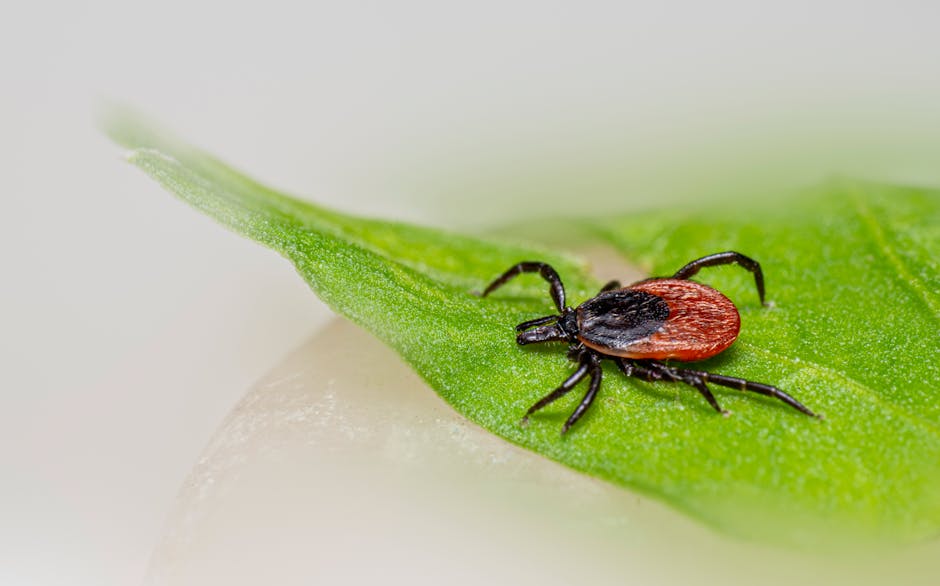
- Ticks are spreading Lyme disease at an alarming rate, with cases tripling in the past few decades.
- The blacklegged tick, or deer tick, is the primary carrier of Lyme disease and its numbers are growing rapidly.
- Lyme disease cases are reported in nearly every state in the US, with over 30,000 cases reported in 2020 alone.
- The true number of Lyme disease cases is likely much higher, as many cases go unreported.
- Experts warn of a ticking time bomb, with the number of Lyme disease cases expected to surge in the coming years.
The sun is shining, the grass is green, and the great outdoors is beckoning. But as millions of Americans head outside for camping trips, hiking, and backyard BBQs, they are being met with a growing and potentially deadly threat: billions of ticks waiting in the grass, ready to bite. The ticks are not just a nuisance, but a serious health risk, as they are increasingly likely to be carrying Lyme disease bacteria and other dangerous pathogens. The situation is so dire that experts are warning of a ticking time bomb, with the number of Lyme disease cases expected to surge in the coming years.
The Alarming Rise of Ticks and Lyme Disease

The current situation is alarming, with tick populations exploding across the US. The blacklegged tick, also known as the deer tick, is the primary carrier of Lyme disease, and its numbers are growing at an unprecedented rate. According to the Centers for Disease Control and Prevention (CDC), the number of reported Lyme disease cases has tripled in the past few decades, with over 30,000 cases reported in 2020 alone. But the true number of cases is likely much higher, as many go unreported. The surge in tick populations and Lyme disease cases is not limited to any one region, with cases reported in nearly every state.
A History of Ticks and Disease

The story behind the surge in ticks and Lyme disease is complex and multifaceted. Historically, ticks have been present in the US, but their numbers were kept in check by natural predators and environmental factors. However, in recent decades, a combination of climate change, urbanization, and changes in land use have created a perfect storm for tick populations to explode. Warmer temperatures and altered ecosystems have allowed ticks to thrive, while the expansion of suburban areas has brought humans and ticks into closer proximity. The result is a growing public health crisis, with Lyme disease becoming one of the most common tick-borne illnesses in the US.
The Key Players in the Fight Against Ticks

So, who is shaping the response to the tick surge, and what are their motivations? On the front lines are public health officials, researchers, and healthcare providers, who are working tirelessly to raise awareness about the risks of Lyme disease and to develop effective treatments. Organizations such as the World Health Organization (WHO) and the CDC are also playing a critical role, providing guidance and resources to combat the spread of tick-borne illnesses. But despite these efforts, the fight against ticks is an uphill battle, with many challenges remaining, including a lack of funding, limited public awareness, and the need for more effective treatments.
The Consequences of Inaction

The consequences of inaction in the face of the tick surge are severe. For individuals, a Lyme disease diagnosis can be devastating, leading to chronic illness, disability, and even death. The economic burden is also significant, with the CDC estimating that the annual cost of Lyme disease in the US is over $1 billion. But the implications go beyond individual cases, with the surge in ticks and Lyme disease having broader societal and environmental implications. As tick populations continue to grow, the risk of other tick-borne illnesses, such as anaplasmosis and babesiosis, also increases, posing a significant threat to public health.
The Bigger Picture
The surge in ticks and Lyme disease is not just a public health crisis, but a symptom of a larger environmental issue. Climate change, urbanization, and changes in land use are all contributing to the growing threat of tick-borne illnesses, highlighting the need for a more holistic approach to addressing the issue. By understanding the complex interplay between environmental factors, human activity, and tick populations, we can begin to develop more effective strategies for combating the spread of Lyme disease and other tick-borne illnesses. This requires a coordinated effort from policymakers, public health officials, and individuals, working together to create a safer, healthier environment for all.
As the tick season reaches its peak, it is essential to take action to protect ourselves and our communities. This means being aware of the risks, taking steps to prevent tick bites, and advocating for greater funding and support for research and public health initiatives. By working together, we can reduce the burden of Lyme disease and create a healthier, more sustainable future for generations to come.
Source: MedicalXpress