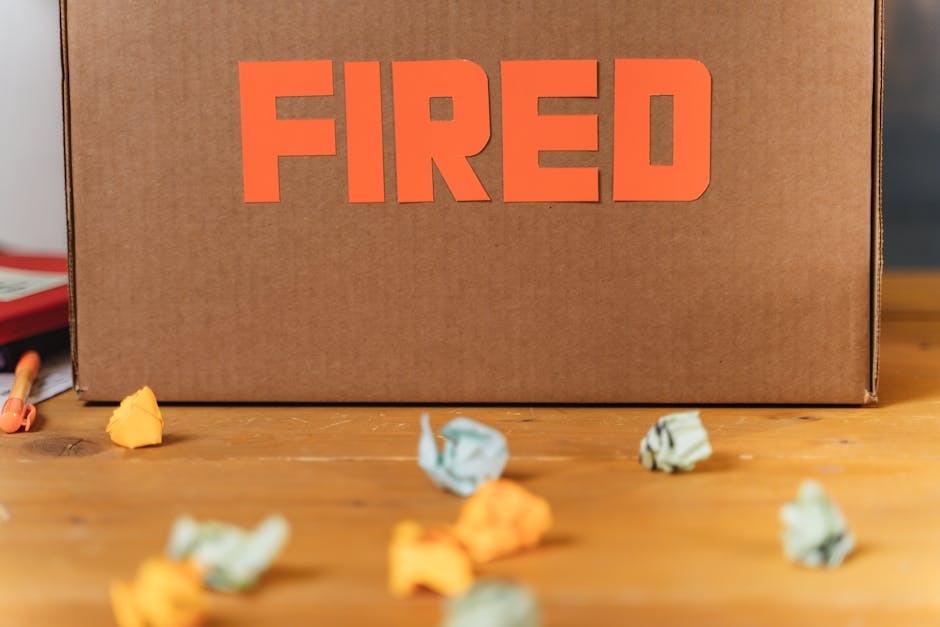
- The Portland Trail Blazers have laid off approximately 20% of their non-player personnel, impacting multiple departments.
- The layoffs were reportedly ‘driven by ownership’ and part of a broader organizational reassessment.
- The team has not released an official statement detailing the financial rationale behind the staff reductions.
- The decision to cut staff was not based on performance, but rather a directive from the top management.
- The layoffs will ripple through the organization, affecting employees across various departments.
Inside the Moda Center on a quiet Tuesday morning, the usual hum of administrative activity was replaced by hushed conversations and lingering glances. Desks stood half-empty, name tags removed, computer monitors darkened. A sense of unease hung in the air as employees gathered in conference rooms or received private messages summoning them to human resources. For over two decades, the Trail Blazers had been a constant in Portland’s cultural and economic landscape—a source of pride, resilience, and community. But on this day, the franchise delivered news that would ripple through the organization: one in every five staff members would lose their job, a decision not born from performance but from a directive at the very top.
Ownership Orders Sweeping Staff Reductions

The Portland Trail Blazers have eliminated approximately 20% of their non-player personnel, according to a source with direct knowledge of the restructuring. The layoffs span multiple departments, including front office operations, marketing, ticket sales, and game-day support staff. Employees were informed in individual meetings or via email that the reductions were “driven by ownership” and part of a broader organizational reassessment. While the team has not released an official statement detailing the financial rationale, the move suggests significant cost-cutting measures are underway. The Blazers’ ownership group, led by Jody Allen—sister of the late billionaire Paul Allen—has overseen the franchise since 2000, and recent years have seen fluctuating on-court performance and declining attendance, particularly post-pandemic. These layoffs mark one of the most substantial non-player staff reductions in the team’s recent history.
Years of Transition and Uncertainty

The current upheaval is rooted in a decade of instability. After Paul Allen’s passing in 2018, questions arose about the long-term direction of both the Trail Blazers and the Seattle Seahawks, assets held under the Paul G. Allen Trust. While the Seahawks were sold in 2023, the Blazers remain under the trust’s control, with Jody Allen serving as chair. Unlike other franchises that have embraced aggressive modernization—investing in analytics, fan experience, and digital engagement—the Blazers have operated with relative conservatism. Attendance at the Moda Center dropped by nearly 15% between the 2018–2019 and 2022–2023 seasons, per NBA attendance reports, and local sponsorship revenue has stagnated. In 2021, the team underwent a smaller restructuring that included executive departures, but the latest cuts are far more extensive, signaling that previous measures failed to stabilize operations.
The People Behind the Uniforms

Among those affected are long-tenured employees who helped build the team’s community outreach programs, managed youth clinics, and coordinated with local vendors. One staffer, who had worked in game operations for 12 years, described the layoff as “a gut punch” and noted that many colleagues were given little time to process the news before being escorted from the building. The emotional toll extends beyond the individuals let go—remaining employees now face increased workloads and uncertainty about future stability. “We’re expected to do more with less, but morale is at an all-time low,” said another employee, speaking on condition of anonymity. The Blazers’ culture, once celebrated for its inclusivity and local roots, now faces a crisis of confidence. Meanwhile, ownership has remained silent, offering no public acknowledgment or town hall meeting to address concerns.
Implications for Portland and the NBA

The layoffs could have lasting consequences for the franchise’s relationship with the Portland community, where the Trail Blazers are more than just a basketball team—they are a civic institution. Local businesses that rely on game-day traffic may feel secondary effects, and fan engagement could further erode if the organization appears disinvested. From a league-wide perspective, the move raises questions about the sustainability of mid-market teams without aggressive ownership involvement. The NBA has seen growing disparities between high-spending franchises and those operating under trusts or conservative management. If the Blazers continue to underinvest, they risk falling behind in an era defined by data, fan experience, and global branding. Analysts warn that without a clear vision, the franchise could become a cautionary tale of stagnation.
The Bigger Picture
This moment reflects a broader trend in professional sports, where legacy franchises face pressure to modernize or risk irrelevance. Ownership models that prioritize asset preservation over competitive or cultural investment are increasingly at odds with fan expectations and league evolution. The Trail Blazers’ identity has long been tied to innovation—from drafting Bill Walton to embracing the “Blazermania” era—but today, the team risks being defined by retrenchment. Other teams, like the Memphis Grizzlies and Indiana Pacers, have revitalized their organizations through community-centered strategies and technological upgrades. Portland’s path forward will depend on whether leadership chooses renewal over retrenchment.
What comes next remains uncertain. The Blazers may seek to restructure quietly, hoping the on-court product—a young roster led by Scoot Henderson and Shaedon Sharpe—can re-engage fans. But without transparent leadership and investment in the people behind the scenes, even a winning season may not restore trust. The layoffs are not just a financial decision; they are a statement about priorities. And for many in Portland, that message feels like a betrayal.
Source: Reddit