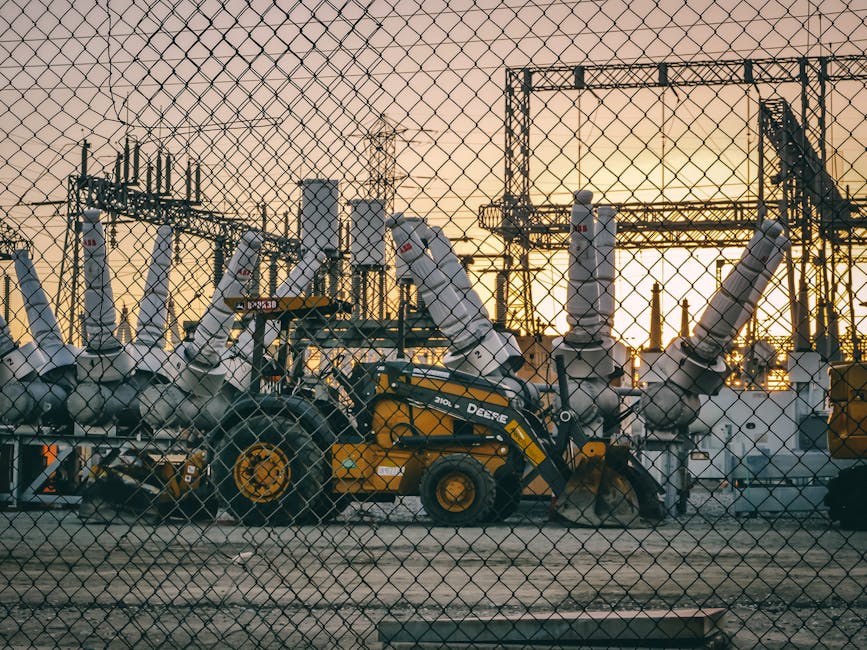
- NextEra Energy launches $15 billion bid to acquire Dominion Energy, a traditional utility with deep roots in the mid-Atlantic power grid.
- The acquisition aims to capitalize on the rapidly expanding data center market, driven by increasing demand for cloud computing and artificial intelligence.
- NextEra, the nation’s largest generator of renewable electricity, seeks to leverage Dominion’s regulated utility operations and transmission network.
- The deal represents one of the most significant energy sector consolidations in recent memory, with far-reaching implications for the industry.
- Rising electricity demand and shifting energy priorities have created a perfect storm for NextEra’s bold acquisition strategy.
In a quiet industrial park outside Richmond, Virginia, rows of unassuming beige buildings hum with the low-frequency thrum of high-voltage transformers. Inside, racks of servers blink in rhythmic pulses, processing queries from cloud platforms, streaming services, and artificial intelligence models spun up thousands of miles away. These are not factories or offices—they are data centers, the beating heart of the digital economy, and they are devouring electricity at an unprecedented rate. In 2024, the average American household pays nearly 15% more for electricity than it did two years ago, according to the U.S. Energy Information Administration, while tech giants scramble to secure long-term power agreements. It is against this backdrop of rising demand, tightening margins, and shifting energy priorities that NextEra Energy, the nation’s largest generator of renewable electricity, has launched a bold $15 billion bid to acquire Dominion Energy, a traditional utility with deep roots in the mid-Atlantic power grid.
NextEra Moves to Consolidate Power Infrastructure

NextEra’s proposed acquisition of Dominion Energy represents one of the most significant energy sector consolidations in recent memory. The Florida-based company, already a leader in wind and solar generation, sees Dominion’s regulated utility operations and expansive transmission network as a strategic gateway to the rapidly expanding data center market. Dominion serves over 7 million customers across Virginia, North Carolina, and South Carolina, but its most valuable real estate may be in central Virginia—home to the world’s largest concentration of data centers. Loudoun County alone hosts more data center capacity than most European nations. With tech companies like Amazon, Microsoft, and Google leasing massive power loads, Dominion’s grid has become a digital infrastructure bottleneck. NextEra aims to modernize this system, integrating battery storage, demand-response programs, and additional renewable capacity to meet the relentless appetite of AI-driven computing. Analysts at Reuters report that the deal could close by late 2025, pending regulatory approval from federal and state authorities.
The Grid Under Pressure: From Coal to Cloud

The roots of today’s energy crunch stretch back decades. For much of the 20th century, utilities like Dominion relied on coal and natural gas to power homes and industries, with demand peaking during mornings and evenings. But the rise of hyperscale data centers has introduced a new, unrelenting load—one that operates 24/7 and scales with every new AI model trained. In 2010, data centers accounted for about 1.5% of global electricity use; by 2024, that figure has surged past 4%, according to the International Energy Agency. Dominion, once focused on legacy infrastructure, found itself fielding requests for hundreds of megawatts from tech firms in just a few years. In response, the utility delayed coal plant retirements and fast-tracked interconnection studies, but the strain on grid stability became evident. Rolling blackouts in 2023, though narrowly avoided, underscored the fragility of a system not designed for digital-age demands. NextEra’s bid is not just about ownership—it’s about reengineering the grid for a future where electricity is as critical to computation as it is to comfort.
The Executives Steering the Energy Transition

The architects of this transformation are seasoned utility executives with deep ties to both policy and technology. John Ketchum, CEO of NextEra Energy, has spent over two decades expanding the company’s renewable footprint, turning it into a Wall Street darling with a market capitalization exceeding $150 billion. He envisions a “smart, flexible grid” that balances AI-driven demand with solar and wind generation backed by grid-scale batteries. On the other side, Robert Blue, Dominion’s outgoing CEO, has navigated political pressures in Virginia’s state legislature while balancing environmental commitments with reliability mandates. Behind the scenes, energy regulators, private equity investors, and even the Department of Energy are watching closely. The Federal Energy Regulatory Commission (FERC) will scrutinize whether the merger could concentrate too much power in one entity, while state lawmakers weigh the promise of cleaner energy against fears of rate hikes. This is not merely a corporate transaction—it is a high-stakes negotiation over who controls the wires that power the digital economy.
Implications for Consumers, Tech, and the Climate

If approved, the merger could have far-reaching consequences. For consumers, the immediate concern is cost: will NextEra’s focus on high-margin data center contracts lead to higher residential rates? Advocacy groups like the Southern Environmental Law Center warn that ratepayers could shoulder the burden of grid upgrades without seeing proportional benefits. For tech companies, the deal may streamline power procurement, offering long-term stability in an otherwise volatile market. And for climate goals, the outcome is uncertain. NextEra has pledged to accelerate Dominion’s decarbonization, retiring coal units earlier and deploying 10,000 megawatts of new solar by 2030. But environmentalists question whether building more infrastructure to feed data centers—some of the fastest-growing sources of carbon emissions in the tech sector—truly aligns with sustainability. The tension between digital growth and climate responsibility is now front and center in America’s energy debate.
The Bigger Picture
This acquisition reflects a larger shift: the convergence of energy and digital infrastructure. As artificial intelligence, smart cities, and the Internet of Things expand, electricity is no longer just a utility—it’s a strategic asset. NextEra’s bid for Dominion signals that the future of power lies not in isolated grids but in integrated, intelligent networks capable of supporting both homes and hypercomputing. Other utilities are taking note, with similar talks underway in Texas and the Midwest. The energy sector is entering a new era, one where kilowatts are as valuable as bandwidth.
What comes next will depend on regulators, market forces, and technological innovation. If the deal clears antitrust hurdles, it could set a precedent for how utilities adapt to the digital age. But it also raises fundamental questions: Who gets priority on the grid? How do we balance growth with equity and sustainability? And can America’s aging power infrastructure withstand the weight of its own digital ambitions? The answers may shape the nation’s energy landscape for decades to come.
Source: The New York Times