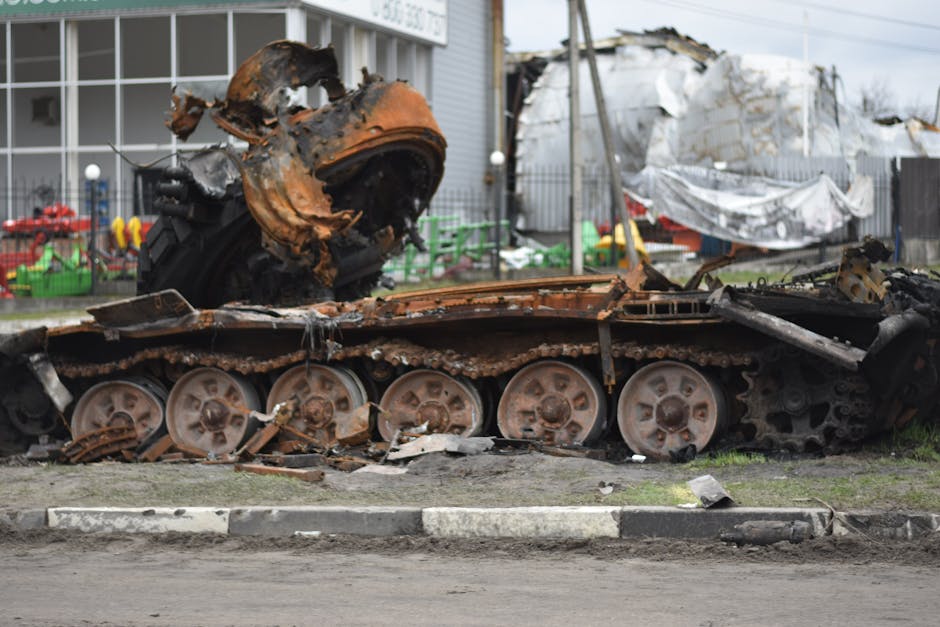
- The Middle East conflict has taken a significant toll on businesses, with many seeking insurance claims to mitigate losses.
- A discrepancy exists between insurer and Trump administration views on labeling the conflict as a ‘war’, affecting insurance coverage.
- Few businesses have purchased insurance explicitly designed to cover ‘war’, leaving them exposed to financial risks.
- The conflict has escalated over the past year, with several countries and factions involved, increasing business vulnerability.
- The insurance industry closely watches the situation, given its significant implications for coverage and risk assessment.
The Middle East conflict has taken a significant toll on businesses in the region, with many seeking insurance claims to mitigate their losses. However, a stark discrepancy has emerged between the views of insurers and those of the Trump administration, which has been reluctant to label the conflict as a “war.” This distinction is crucial, as it determines the extent of insurance coverage for businesses affected by the conflict. While some businesses have purchased insurance that protects against terrorism or sabotage, far fewer have bought coverage explicitly designed to cover “war,” leaving many exposed to significant financial risks.
Background on the Conflict and Insurance Coverage

The conflict in the Middle East has been escalating over the past year, with several countries involved and multiple factions vying for control. As the situation continues to deteriorate, businesses in the region have found themselves increasingly vulnerable to attacks, sabotage, and other forms of disruption. In response, many have turned to insurance as a means of protecting their assets and minimizing their losses. However, the lack of clarity over the definition of “war” has created uncertainty and confusion among insurers, businesses, and policymakers alike. According to a report by Reuters, the insurance industry is closely watching the situation, as it has significant implications for the coverage of businesses in the region.
Key Details of the Insurance Dispute

At the heart of the dispute is the question of whether the conflict in the Middle East constitutes a “war” in the eyes of insurers. While some insurers have taken a broad view of the term, encompassing a range of violent acts and disruptions, others have adopted a more narrow definition, limiting coverage to specific types of events. This has created a challenge for businesses seeking to file claims, as they must navigate a complex web of policies and definitions. Furthermore, the Trump administration’s reluctance to label the conflict as a “war” has added to the uncertainty, leaving insurers and businesses to wonder what types of events will be covered and what will not. As noted by The New York Times, the insurance industry is seeking greater clarity on the definition of “war” in order to provide more effective coverage to businesses in the region.
Analysis of the Conflict’s Economic Implications

The conflict in the Middle East has significant economic implications, both for the region and for the global economy as a whole. According to a report by the World Bank, the conflict has already resulted in substantial losses, with many businesses forced to suspend or curtail their operations. The lack of clarity over insurance coverage has only added to the uncertainty, making it more difficult for businesses to plan and invest for the future. As the conflict continues to escalate, it is likely that the economic implications will only grow more severe, with potentially far-reaching consequences for the global economy. Experts warn that the situation could have a lasting impact on the region’s economy, making it essential for insurers and policymakers to work together to provide greater clarity and support to businesses affected by the conflict.
Implications for Businesses and the Economy

The implications of the conflict and the insurance dispute are far-reaching, with significant consequences for businesses and the economy as a whole. For businesses in the region, the lack of clarity over insurance coverage creates a major challenge, as they seek to navigate the complex and rapidly changing landscape. Without adequate coverage, many businesses may be forced to suspend or curtail their operations, leading to significant losses and disruptions to the economy. Furthermore, the conflict and the insurance dispute have the potential to deter investment and hinder economic growth, both in the region and globally. As the situation continues to unfold, it is essential for insurers, policymakers, and businesses to work together to provide greater clarity and support, in order to mitigate the economic implications of the conflict.
Expert Perspectives
Experts offer contrasting viewpoints on the insurance dispute and its implications for businesses and the economy. Some argue that the Trump administration’s reluctance to label the conflict as a “war” is a major factor in the uncertainty, while others point to the complexity of the insurance policies and the lack of clarity over the definition of “war.” According to BBC News, experts warn that the situation could have a lasting impact on the region’s economy, making it essential for insurers and policymakers to work together to provide greater clarity and support to businesses affected by the conflict. As one expert noted, “the lack of clarity over insurance coverage is a major challenge for businesses in the region, and it is essential that insurers and policymakers work together to provide greater support and clarity.”
Looking ahead, it is clear that the situation in the Middle East will continue to evolve, with significant implications for businesses, insurers, and the economy as a whole. As the conflict continues to escalate, it is likely that the demand for insurance coverage will only grow, creating new challenges and opportunities for insurers and businesses alike. One key question is how the insurance industry will respond to the growing demand for coverage, and whether policymakers will take steps to provide greater clarity and support to businesses affected by the conflict. As the situation unfolds, it will be essential to watch for developments in the insurance industry and the policy landscape, in order to understand the full implications of the conflict and the insurance dispute for businesses and the economy.
Source: CNBC