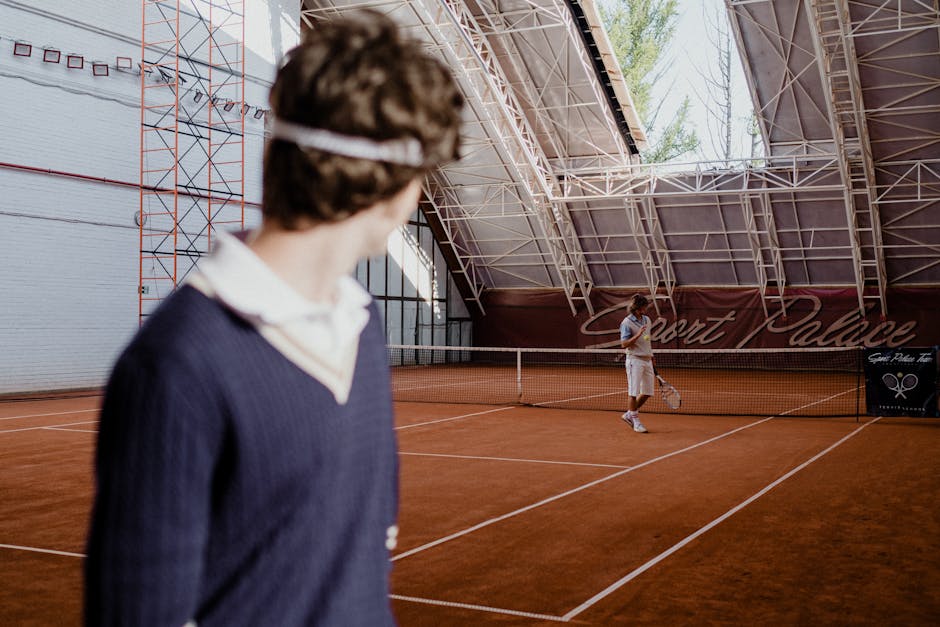
- Tennis players are limiting their media engagements to 15 minutes per session at the French Open.
- The move is a protest against stagnant and inequitable prize money distribution compared to other Grand Slam events.
- Players are demanding change despite tennis generating record revenues.
- The French Open’s total prize pool reached €53.5 million in 2024, with slower prize money growth compared to other Grand Slams.
- Top players are using their media time as leverage to negotiate better prize money distribution.
Why are the world’s top tennis players suddenly cutting short their media interviews at one of the sport’s most prestigious tournaments? As the 2024 French Open unfolds on the red clay of Roland Garros, a quiet but significant act of defiance is taking shape: leading players, including several top-10 men and women, are limiting their media engagements to just 15 minutes per session. This coordinated move isn’t about fatigue or scheduling—it’s a pointed protest against what many see as stagnant and inequitable prize money distribution, particularly when compared to other Grand Slam events. With tennis generating record revenues, players are asking why their share, especially at the French Open, hasn’t kept pace, and they’re using their media time as leverage to demand change.
What’s Behind the 15-Minute Media Cap?

The 15-minute limit on post-match press conferences and media obligations is an informal but widely adopted stance among top players, including members of the Men’s Tennis Council and the Women’s Tennis Association’s player representative committee. While not an official strike or boycott, the move represents a strategic form of collective action. Players argue that despite rising tournament revenues—fueled by broadcasting deals, sponsorships, and ticket sales—prize money at the French Open has increased at a slower rate than at Wimbledon, the US Open, or the Australian Open. In 2024, the French Open’s total prize pool reached €53.5 million, a record for the event, but still lags behind the US Open’s $65 million. More critically, players say compensation for early-round losers remains disproportionately low, especially for those ranked outside the top 50 who rely on tournament earnings to cover travel, coaching, and training costs.
What Data Supports the Players’ Claims?

According to figures compiled by the ATP and WTA, the 2024 French Open awarded €2.4 million to both the men’s and women’s singles champions—a 5.3% increase from 2023—but first-round losers received just €68,000, barely covering expenses for many. In contrast, the 2023 US Open awarded first-round losers $75,000, a gap that compounds over time. A Reuters analysis of Grand Slam payouts shows that while total prize pools have grown, the percentage allocated to players has remained around 45–50%, lagging behind other major sports. “We’re not asking for handouts—we’re asking for fairness,” said Bianca Andreescu, who implemented the 15-minute rule after her first-round win. “We generate the content, the fans, the ratings. It’s time our compensation reflected that value.”
Are There Counterarguments to the Players’ Protest?

Organizers at the French Tennis Federation (FFT) have pushed back, emphasizing the tournament’s rising investment in infrastructure, player services, and accessibility initiatives. They note that prize money has increased by 37% over the past five years and that the French Open remains the only Grand Slam to offer equal pay to men and women since 2007. Some analysts also caution that limiting media access could erode fan engagement and harm player brands over time. “The media is a bridge between athletes and supporters,” said tennis journalist Catherine Spadea, writing in BBC Sport. “If players retreat from visibility, they risk weakening their own influence.” Additionally, not all players support the move—some lower-ranked competitors worry that reduced media exposure could hurt sponsorship opportunities, especially for those without major endorsements.
What Are the Real-World Consequences of This Standoff?

The protest has already begun to shift dynamics at Roland Garros. Broadcasters have had to adjust interview segments, and journalists report a more rigid, time-boxed environment in the media center. More importantly, the action has reignited discussions about player rights and revenue sharing across the sport. The ATP and WTA are now under pressure to formalize minimum compensation standards for Grand Slams, while fan reactions have been mixed—some applaud the players’ solidarity, while others see it as a break in tradition. Beyond Paris, the ripple effects could influence negotiations at future tournaments. If other events don’t respond, top players may consider more drastic measures, such as skipping warm-up events or forming a unified player council with greater bargaining power.
What This Means For You
For fans, this protest is a reminder that behind the athleticism and drama on court, tennis is also a labor market where economic fairness matters. If players succeed in securing better pay, it could lead to a more sustainable ecosystem for athletes at all levels. For aspiring professionals, it signals growing player agency in shaping the sport’s future. While the 15-minute rule may seem small, it reflects a broader movement toward equity in professional sports.
But the bigger question remains unanswered: Can tennis players achieve lasting financial reform without compromising their relationship with fans and media? As the sport navigates commercial growth and athlete advocacy, the outcome in Paris could set a precedent for how power is shared in the games we watch.
Source: BBC