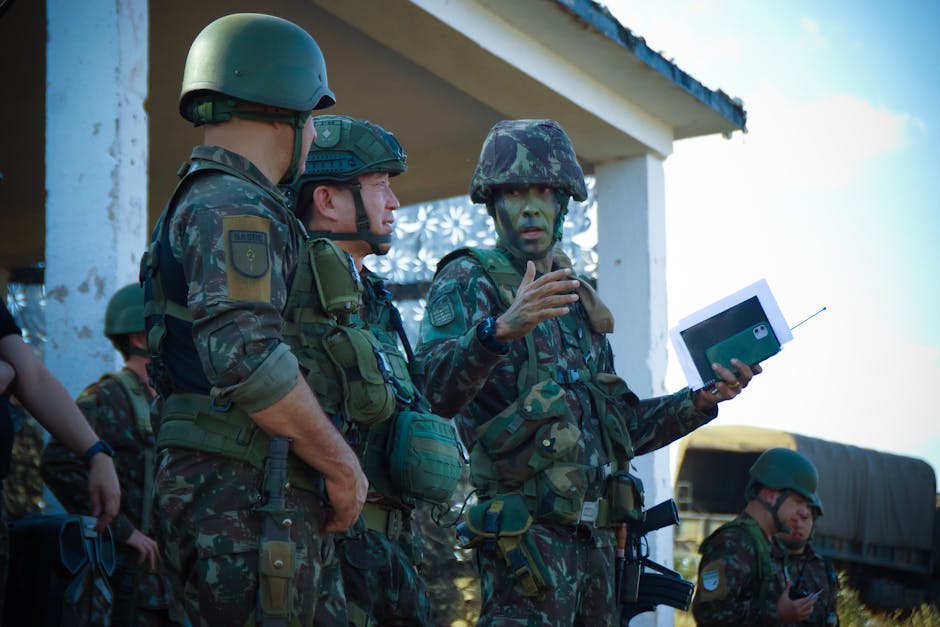
- The US plans to cut its European troop presence by 25% by 2025, reducing its rotational combat brigades from four to three.
- The reduction in brigade-sized units signals a recalibration of forward-deployed combat power in Europe.
- The US Army’s rapid-response combat presence on the continent will decrease with the removal of one rotational armored brigade.
- The change is not tied to any specific security improvement but rather to long-term force management and equipment sustainability.
- The US troops in Europe will remain steady at around 100,000, but the reduction in brigades will impact their combat capabilities.
The United States is preparing to reduce its military footprint in Europe by cutting its rotational combat brigade presence from four to three, according to Pentagon officials, marking the lowest level since before Russia’s full-scale invasion of Ukraine in 2022. The decision, part of a broader force posture review, reflects evolving strategic calculations and a potential shift in focus toward the Indo-Pacific region. While officials stress that total troop numbers remain steady at around 100,000 across Europe, the reduction in brigade-sized units signals a recalibration of forward-deployed combat power. The move is expected to take effect in 2025, pending final implementation plans.
Brigade Reduction Details Confirmed

The Pentagon confirmed that one of the four rotational armored brigades will no longer cycle through Europe on a regular basis, reducing the U.S. Army’s rapid-response combat presence on the continent. Each brigade typically consists of 3,000 to 4,000 troops, along with tanks, artillery, and support units. According to Reuters, the change is not tied to any specific security improvement but rather to long-term force management and equipment sustainability. “This adjustment allows us to maintain readiness while balancing global demands,” said a senior defense official familiar with the planning.
Allies Express Concern, Seek Clarification

Some NATO allies, particularly in Eastern Europe, have expressed concern about the signal the reduction may send to Moscow. Polish and Romanian defense officials have privately requested clarification on whether the move reflects diminished commitment to European security. The Pentagon has sought to reassure allies, emphasizing that the total number of U.S. troops in Europe remains unchanged and that rotational deployments will continue. “This is about efficiency, not disengagement,” a NATO source told the BBC. Additional air and naval assets may offset the ground presence reduction.
Where This Stands Now

The troop adjustment is expected to be fully implemented by mid-2025, with the affected brigade remaining in the U.S. rotation pool for potential deployment if conditions change. The Biden administration continues to stress support for Ukraine, recently approving a $61 billion aid package. However, the brigade cut underscores a growing effort to manage military commitments amid rising tensions with China. Defense planners are weighing how to sustain deterrence in Europe while preparing for potential conflict in the Pacific.
Source: Financial Times