- Passive cooling methods can be more effective than air conditioning in certain situations, reducing energy consumption and greenhouse gas emissions.
- Urban heat island effect can increase temperatures in cities by up to 10°F (5.6°C) compared to rural areas.
- Century-old wisdom and modern science offer practical solutions for keeping homes cool without relying on mechanical cooling.
- Traditional reliance on air conditioning strains power grids and contributes to climate change, making alternative cooling methods essential.
- Low-energy solutions can help maintain comfort and safety during extreme heat without breaking the bank.
Heatwaves are becoming more frequent and intense, with the World Meteorological Organization reporting that 2023 was the hottest year on record globally. As temperatures soar, indoor spaces can quickly turn into ovens, threatening health—especially for the elderly, children, and those with chronic conditions. Yet, air conditioning is not always accessible or sustainable; it accounts for nearly 10% of global electricity use, according to the International Energy Agency. Fortunately, centuries-old wisdom and modern science offer practical, low-energy solutions to keep homes and bodies cool, reducing reliance on mechanical cooling while maintaining comfort and safety during extreme heat.
The Rising Need for Passive Cooling

With climate change accelerating the frequency and severity of heatwaves, passive cooling methods are no longer just energy-saving tips—they’re essential resilience tools. Urban areas, where concrete and asphalt absorb and re-radiate heat, often experience temperatures up to 10°F (5.6°C) higher than surrounding rural zones—a phenomenon known as the urban heat island effect, as detailed by the U.S. Environmental Protection Agency. This makes homes in cities particularly vulnerable. Traditional reliance on air conditioning intensifies energy demand, strains power grids, and contributes to greenhouse gas emissions, creating a dangerous feedback loop. As more households seek affordable and sustainable ways to stay cool, architects and public health experts are revisiting passive design principles that require little to no electricity, proving that staying comfortable in extreme heat doesn’t have to come at an environmental cost.
Strategic Shading and Ventilation Tactics

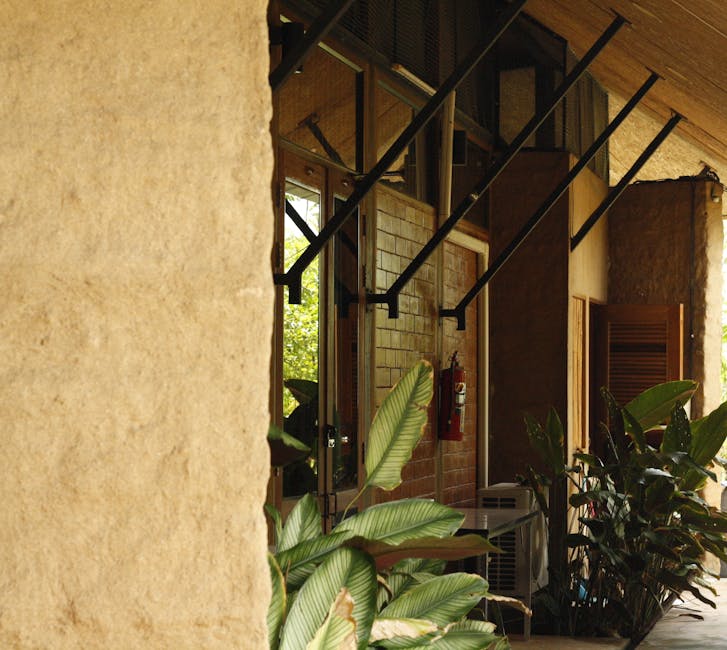
One of the most effective ways to cool a home is to prevent heat from entering in the first place. Closing blinds, curtains, or shutters during the day—especially on sun-facing windows—can reduce indoor temperatures by up to 20°F (11°C), according to energy efficiency guidelines from the U.S. Department of Energy. Exterior shading, such as awnings or overhangs, is even more effective than interior coverings because it blocks sunlight before it penetrates window glass. At night, when outdoor temperatures drop, opening windows strategically to create cross-ventilation allows hot air to escape and cooler air to circulate. Placing fans in window openings can enhance this effect, pulling in fresh air or expelling warm indoor air. These simple behavioral and design adjustments leverage natural airflow and thermal dynamics to maintain a comfortable indoor climate.
Cooling Materials and Home Modifications

Materials matter when it comes to thermal comfort. Light-colored or reflective roofing, known as ‘cool roofs,’ can reduce roof surface temperatures by as much as 50°F (27°C) compared to dark roofs, significantly lowering indoor heat gain. Similarly, planting trees or installing green roofs and walls not only provides shade but also cools the air through evapotranspiration. Inside, swapping heavy, heat-absorbing fabrics for breathable materials like cotton or linen in bedding and clothing can enhance personal comfort. Even flooring choices play a role: tile or concrete floors stay cooler than carpet and can be dampened slightly to increase evaporative cooling. These modifications, whether structural or behavioral, work in harmony with environmental conditions rather than against them, offering sustainable long-term benefits.
Behavioral Adjustments for Personal Cooling

Individual actions can significantly affect perceived temperature. Avoiding heat-generating appliances like ovens, dryers, and incandescent lights during peak daytime hours prevents unnecessary indoor warming. Cooking with microwaves, slow cookers, or outdoor grills reduces internal heat load. Staying hydrated, wearing loose, light-colored clothing, and using damp cloths or cooling towels can enhance personal thermal regulation. Taking cool showers or foot baths helps lower core body temperature. Public health agencies such as the U.S. Centers for Disease Control and Prevention recommend these strategies during heat advisories, particularly for vulnerable populations. These habits, when combined with home-based interventions, create a comprehensive approach to heat resilience that prioritizes health and sustainability.
Expert Perspectives
Climate and building scientists emphasize the importance of integrated cooling strategies. Dr. Linda Samuelson, an architectural researcher at the University of Oregon, argues that ‘passive cooling is not a retro trend—it’s a necessary evolution in building design.’ Meanwhile, energy analysts caution against over-reliance on air conditioning, noting that global AC use could triple by 2050, drastically increasing carbon emissions. Some experts advocate for policy-level changes, such as building codes that mandate reflective roofing or green spaces in urban developments. Others stress community education, ensuring that low-income households—who are often most at risk during heatwaves—have access to practical cooling knowledge and resources.
Looking ahead, the challenge of staying cool in a warming world will only intensify. Innovations in materials, such as radiative cooling coatings that emit heat into space, show promise for the future. However, widespread adoption of simple, low-cost strategies remains the most immediate and equitable solution. As extreme heat becomes the new normal, the ability to maintain safe indoor temperatures without excessive energy use will be a defining factor in public health, urban planning, and climate resilience.
Source: BBC