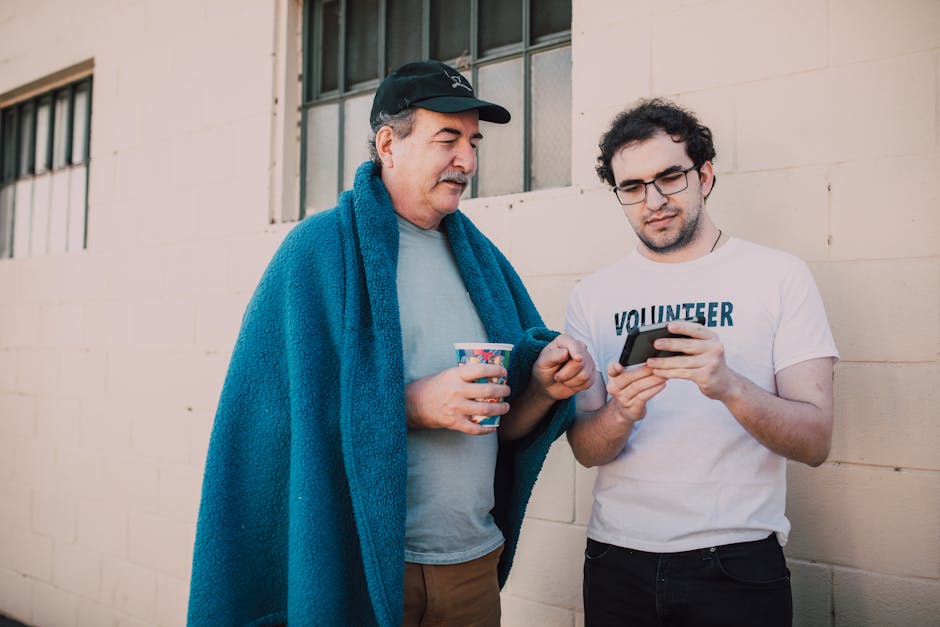
- Adelaide, South Australia is introducing a smartphone app to tackle homelessness, turning bystanders into bridge-builders.
- The Street Connect app allows users to alert outreach teams to the exact location of someone sleeping rough, prompting a swift response.
- The initiative aims to restore dignity through connection and close the gap between public concern and practical intervention.
- Outreach workers from Mission Australia are dispatched within hours, often the same day, with hygiene kits, food, and a conversation.
- The app is designed to be low-barrier, avoiding traditional reporting systems that involve law enforcement or lengthy forms.
Why do so many people remain invisible when they’re sleeping in plain sight? In cities across the world, rough sleepers—people living unsheltered on streets, parks, or doorways—are a growing presence, yet they are often overlooked or actively ignored by passersby. The discomfort of confronting homelessness can lead to averted eyes rather than action. But in Adelaide, South Australia, a new initiative is turning bystanders into bridge-builders. With a simple smartphone app, members of the public can now alert outreach teams to the exact location of someone sleeping rough, prompting a swift, compassionate response. The question isn’t just whether technology can help solve homelessness—but whether it can restore dignity through connection.
How Does Street Connect Turn Awareness into Action?

Street Connect is a mobile application designed to close the gap between public concern and practical intervention. When someone spots a rough sleeper, they open the app, drop a pin on the map, and submit basic details like the person’s appearance and immediate needs. This alert is instantly routed to a dedicated outreach team from Mission Australia, which dispatches a worker within hours, often within the same day. The outreach worker arrives not with bureaucracy, but with hygiene kits, food, and a conversation—starting the process of building trust. Unlike traditional reporting systems that may involve law enforcement or lengthy forms, Street Connect is designed to be low-barrier, trauma-informed, and focused on voluntary engagement. Since its 2023 pilot, the program has facilitated over 1,200 contacts with people experiencing homelessness, with 68% accepting some form of support.
What Evidence Shows the Program Is Working?

Data from the South Australian Department of Human Services shows that Street Connect has increased the rate of successful outreach by 82% compared to previous methods. In the first year of full operation, 44% of contacted individuals moved into temporary accommodation, and 27% accessed mental health or addiction services. “We’re meeting people where they are—literally and emotionally,” said Sarah Thompson, program manager at Mission Australia, in a Guardian Australia interview. “Before, we relied on scheduled patrols or police referrals. Now, the public becomes part of the care network.” A 2024 independent evaluation by the University of Adelaide found that users of Street Connect were 3.5 times more likely to engage with services than those reached through conventional outreach. The model’s success has drawn interest from cities like Melbourne, Sydney, and even Vancouver, which are exploring similar digital solutions.
What Are the Ethical Concerns and Limitations?

Despite its promise, Street Connect has faced criticism from some housing advocates who worry about privacy and surveillance. “There’s a fine line between care and control,” said Dr. Lena Patel, a sociologist at Flinders University specializing in urban poverty. “If not carefully managed, these tools could pathologize homelessness or encourage public monitoring that feels punitive.” Others question whether the app addresses root causes like housing shortages, stagnant wages, or cuts to mental health funding. The program does not, for instance, create new housing units or reform eviction laws. Additionally, not all rough sleepers are willing or able to engage, and some move frequently to avoid detection. There’s also a risk of “digital exclusion”—if the public doesn’t know about the app or lacks smartphones, the system remains underutilized. These limitations suggest that while Street Connect is a valuable tool, it is not a standalone solution.
What Real-World Impact Has the Program Had?

The human impact of Street Connect is best seen in individual stories. Take James, a 54-year-old man who had been sleeping under a bridge near the Torrens River for nearly two years. After a passerby used the app to report his location, an outreach worker named Maria visited him with a warm meal and a listening ear. Over weeks, trust built slowly. James eventually agreed to a medical check-up, where he was diagnosed with type 2 diabetes and untreated depression. Today, he lives in transitional housing and attends regular counseling. “I felt invisible for so long,” he said in a local radio interview. “That one alert—it changed everything.” Programs like this don’t just connect people to services; they affirm their humanity. In a broader sense, Street Connect has also shifted public perception, with surveys showing a 40% increase in willingness to engage with homelessness issues among Adelaide residents.
What This Means For You
If you’ve ever walked past someone sleeping on the street and wondered what you could do, Street Connect offers a model that transforms helplessness into action. You don’t need to solve homelessness alone—just point the way. The app empowers ordinary citizens to be part of a compassionate response, without overstepping or endangering themselves. It also underscores a broader truth: effective solutions often combine technology, community, and human connection. While no single program can end homelessness, tools like this can create pathways out of isolation.
But the deeper question remains: can digital empathy scale into systemic change? If apps like Street Connect spread, will they pressure governments to invest more in affordable housing and mental health care—or will they become a substitute for it? The future of urban compassion may depend on how we answer.
Source: The Guardian