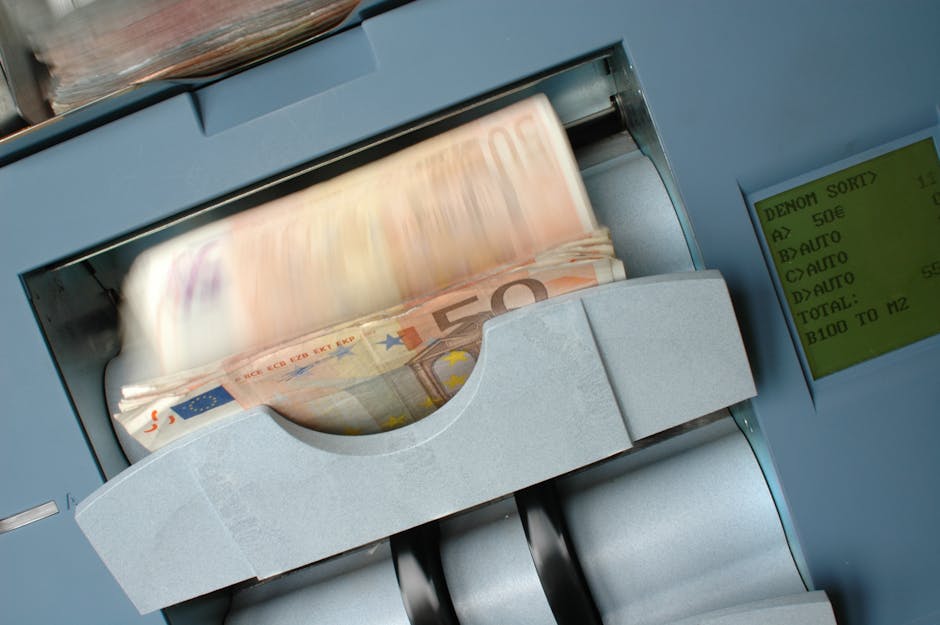
- Greece paid off €6.9 billion in debt obligations in June 2024, ending its status as the Eurozone’s most indebted nation.
- Greece’s debt-to-GDP ratio fell from 195% in 2019 to 154% in early 2024, a steeper decline than other high-debt Eurozone states.
- Greece achieved budget surpluses averaging 2.8% of GDP between 2021 and 2023, powered by tax revenue growth and public expenditure reduction.
- Unemployment in Greece dropped to 11.4%, its lowest level since 2009, down from a crisis peak of 27%.
- Foreign direct investment surged to €6.1 billion in 2023, more than doubling the 2019 figure due to European support.
Executive summary — Greece has successfully paid off €6.9 billion in debt obligations in June 2024, officially shedding its long-held status as the Eurozone’s most indebted nation. This milestone marks the culmination of over a decade of stringent austerity measures, structural reforms, and external financial support from European institutions. The repayment not only enhances Greece’s sovereign creditworthiness but also signals a broader shift in investor sentiment, with markets now viewing Athens as a model of fiscal resilience within the European Union.
Greece’s Fiscal Recovery in Numbers

Greece’s repayment of €6.9 billion in June includes €4.2 billion in principal and €2.7 billion in interest, all settled ahead of maturity without recourse to new borrowing. According to Greece’s Public Debt Management Agency, the country’s debt-to-GDP ratio has fallen from a peak of 195% in 2019 to 154% in early 2024, the steepest decline among high-debt Eurozone states. Budget surpluses averaged 2.8% of GDP between 2021 and 2023, enabled by a 24% increase in tax revenue and a 17% reduction in public expenditure. Unemployment, which reached 27% during the crisis, now stands at 11.4%, the lowest since 2009. Additionally, foreign direct investment surged to €6.1 billion in 2023, more than double the 2019 figure. These improvements were supported by the European Central Bank’s Pandemic Emergency Purchase Programme and extended loan repayment grace periods from the European Stability Mechanism. As noted by the Reuters analysis of Greece’s fiscal roadmap, the June repayment eliminates the final tranche of emergency loans issued during the 2010–2015 sovereign debt crisis.
Key Players Behind Greece’s Turnaround

The transformation was driven by a coalition of domestic policymakers and international institutions. Greek Finance Minister Kostis Hatzidakis led a technocratic fiscal strategy emphasizing tax digitization, pension reform, and privatization of state assets. His administration worked closely with the European Commission, International Monetary Fund, and ECB under the enhanced surveillance framework established post-bailout. The European Stability Mechanism deferred interest payments on €10.8 billion in rescue loans, while the ECB reinvested maturing Greek bond holdings under its asset purchase programs. Prime Minister Kyriakos Mitsotakis, elected in 2019 and re-elected in 2023, championed pro-business reforms, including incentives for green energy and digital infrastructure. On the international stage, Germany and the Netherlands—once staunch advocates of austerity—shifted toward supporting Greece’s reintegration into core European financial markets, recognizing the strategic value of a stable southern flank. Even credit rating agencies have responded: Fitch upgraded Greece to investment grade (BBB-) in early 2024, its first such rating since 2011.
Trade-Offs Between Stability and Social Equity

The path to fiscal recovery came with significant social and economic trade-offs. While macroeconomic indicators improved, income inequality rose, with the Gini coefficient increasing from 0.34 in 2009 to 0.39 in 2022, according to Eurostat. Pension cuts and public sector layoffs during the crisis era eroded household disposable income, and regional disparities persist, particularly in rural and island communities. Youth emigration remained elevated, with over 300,000 Greeks under 35 leaving between 2010 and 2020, many in STEM and healthcare fields. On the other hand, Greece’s regained market access has lowered borrowing costs—the 10-year bond yield now stands at 3.2%, down from 15% in 2012—freeing capital for strategic investments. The government has redirected savings into broadband expansion, renewable energy projects, and defense modernization, aligning with EU climate goals and NATO requirements. Still, risks remain: the economy remains vulnerable to external shocks, including energy price volatility and geopolitical instability in the Eastern Mediterranean.
Why the Timing Favored a Breakthrough in 2024

The June 2024 debt repayment was made possible by a confluence of favorable conditions. Strong tourism revenues—€25.5 billion in 2023, a national record—boosted foreign exchange reserves and tax intake. Robust EU recovery funds, including €30.5 billion from the NextGenerationEU program, enabled capital investment without increasing debt. Additionally, low interest rates on existing debt, locked in through previous refinancing, reduced servicing costs. The political stability of Mitsotakis’ New Democracy government ensured continuity in reform implementation, avoiding the policy reversals seen during earlier coalition periods. Crucially, the European Commission’s decision in 2023 to end Greece’s post-program surveillance framework signaled renewed confidence, paving the way for full market reintegration. As BBC News reported, this symbolic closure of the crisis era was timed to coincide with Greece’s 2024 presidency of the Council of the European Union, reinforcing its restored standing.
Where We Go From Here
Looking ahead, three scenarios could unfold over the next 6 to 12 months. First, Greece may enter a virtuous cycle of lower borrowing costs, stronger investment, and sustained growth, potentially achieving debt-to-GDP parity below 130% by 2027. Second, a global recession or energy supply disruption could stall progress, forcing a reevaluation of fiscal targets. Third, domestic political shifts—such as a rise in populist opposition—could threaten reform momentum, particularly if economic gains are not widely felt. The government has announced plans to cut taxes further and boost defense spending amid tensions with Turkey, which may strain the budget. However, if current trends hold, Greece could regain full access to private capital markets by late 2024, issuing a new 30-year sovereign bond for the first time since 2009.
Bottom line — Greece’s repayment of €6.9 billion in June 2024 marks not just a fiscal achievement, but a geopolitical repositioning, proving that disciplined reform and international cooperation can overcome even the deepest sovereign crises.
Source: Iefimerida