- A fan’s racist banner sparked outrage at Nationals Park, highlighting the challenges sports leagues face in policing hate speech.
- The incident underscores the persistent tension between freedom of expression and community safety in public arenas.
- Major League Baseball and the Washington Nationals have implemented policies to prohibit hate speech and promote inclusivity.
- The Nationals’ permanent ban on the individual involved sends a strong message against hate speech and extremism.
- The incident reflects the ongoing struggle for sports leagues to balance brand integrity with the complexities of free speech.
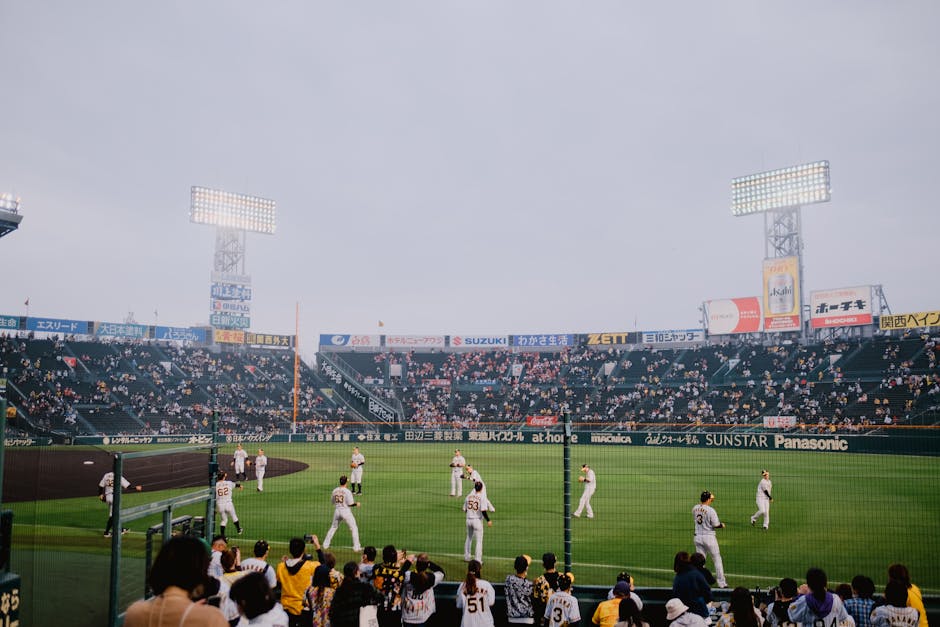
During a routine midweek matchup at Nationals Park, a moment of national pride turned into a flashpoint for racial tension when a spectator unfurled a large banner promoting white nationalist ideology. The banner, which featured symbols and slogans associated with far-right extremism, was displayed prominently in the upper deck and captured by multiple fans on social media. Within hours, images of the incident spread across digital platforms, prompting swift condemnation from the team, Major League Baseball, and civil rights organizations. The Washington Nationals responded by announcing a permanent ban on the individual involved, reaffirming their commitment to fostering an inclusive environment. This rare but disturbing incident underscores the persistent challenges sports leagues face in policing hate speech in public arenas, where freedom of expression collides with community safety and brand integrity.
Why This Incident Matters Now

While political and ideological expressions are not uncommon at sporting events, the display of white nationalist symbols crosses a clear line into hate speech—a boundary that professional sports leagues have increasingly sought to enforce. The Nationals’ response comes amid heightened national awareness of racial injustice and domestic extremism, following years of activism and public scrutiny over how institutions handle bigotry. Major League Baseball, like other major sports organizations, has implemented policies prohibiting offensive conduct, particularly after high-profile controversies in recent years. With stadiums serving as microcosms of broader societal tensions, this incident reflects the ongoing struggle to balance open access with the responsibility to protect marginalized communities. The rapid public backlash and the team’s immediate action signal a zero-tolerance stance, reinforcing that sports venues must remain safe spaces for fans of all backgrounds.
What Happened and Who Was Involved

The incident occurred during the Washington Nationals’ home game against the Atlanta Braves on April 17, 2024. According to eyewitness accounts and social media footage, a male fan in his 30s raised a 4-by-6-foot banner bearing slogans linked to white supremacist movements, including references to racial separatism and anti-immigrant rhetoric. The banner also contained symbols recognized by the Anti-Defamation League as indicators of extremist affiliation. Stadium security personnel, alerted by other spectators, located and removed the individual without incident. No arrests were made, as the act did not violate federal law, but the Nationals’ internal code of conduct allowed for immediate expulsion and a lifetime ban. The team has not released the man’s name, citing privacy policies, but confirmed he was a ticketed attendee who had previously attended games without incident.
Analysis: Roots of Extremism in Public Spaces

The infiltration of extremist ideologies into mainstream public events is not new, but its appearance at a family-oriented baseball game raises alarms about normalization and access. Experts point to the strategic use of high-visibility venues by hate groups to provoke fear and gain attention. The Anti-Defamation League has documented similar incidents at concerts, political rallies, and sporting events, where symbols are often disguised as political satire or free speech. In this case, the banner’s messaging was unmistakable, reflecting broader trends in online radicalization that spill into physical spaces. Data from the Southern Poverty Law Center shows a 30% increase in active hate groups in the U.S. over the past five years, many of which target public gatherings to amplify their message. The Nationals’ swift response may deter copycat actions, but it also highlights the limitations of reactive security in preventing ideological incursions.
Implications for Fans and Franchises

The fallout from this event extends beyond one fan’s banishment. For minority fans, particularly Black, Jewish, and immigrant communities, such displays can create feelings of exclusion and vulnerability in spaces meant for unity and celebration. The Nationals, representing the nation’s capital and a historically diverse fanbase, now face renewed pressure to strengthen vetting procedures and staff training. Other MLB teams are likely to review their own protocols, potentially leading to broader league-wide policy changes. Additionally, sponsors and corporate partners may scrutinize team responses to social issues more closely, as brand alignment with inclusive values becomes a business imperative. Ultimately, the incident challenges sports organizations to be more proactive in identifying and mitigating ideological threats before they manifest in public view.
Expert Perspectives
Security analysts and civil rights advocates offer differing views on the best path forward. Dr. Laila Al-Marayati, a sociologist specializing in extremism, argues that “permanent bans are necessary but insufficient—teams must invest in intelligence gathering and community outreach.” Conversely, First Amendment scholar Daniel Ellsberg Jr. cautions against over-policing fan expression, stating, “We must distinguish between abhorrent speech and criminal conduct, or risk undermining democratic principles.” Meanwhile, MLB has emphasized collaboration with organizations like the NAACP and Human Rights Campaign to develop inclusive fan guidelines. These contrasting perspectives reflect the delicate balance between safety, legality, and liberty in public entertainment spaces.
Looking ahead, the Nationals and MLB must navigate an evolving landscape where digital virality amplifies both hate and accountability. Questions remain about how teams can detect radicalized individuals before incidents occur, whether through behavioral analytics or ticket-purchase monitoring. As the 2024 season progresses, all eyes will be on how consistently franchises enforce conduct policies and whether league leaders implement standardized anti-hate initiatives. One thing is certain: the integrity of America’s pastime increasingly depends on its ability to stand against the tides of division.
Source: Reddit