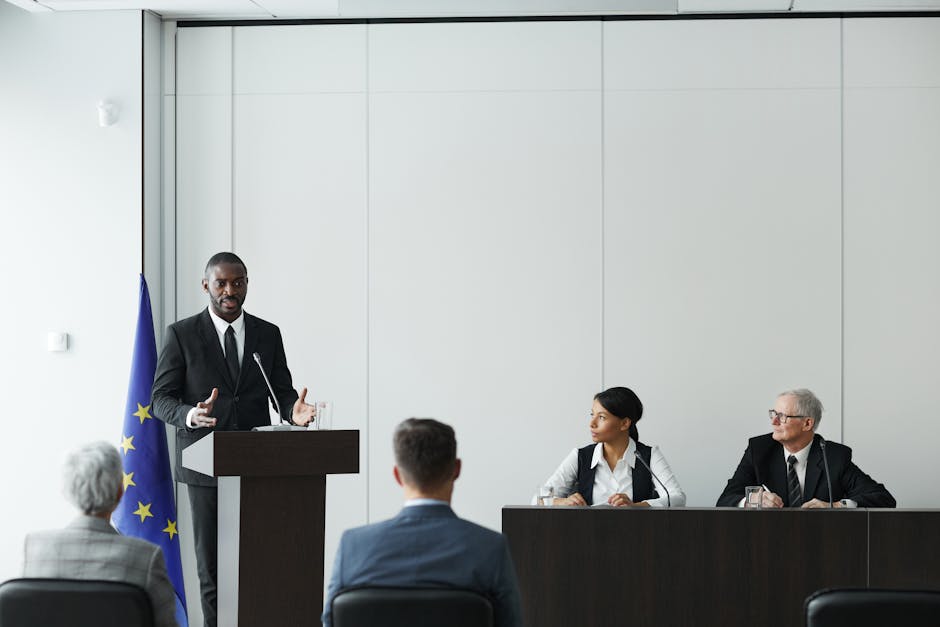
- The European Union is considering establishing a high-level diplomatic backchannel to Moscow to negotiate peace with Vladimir Putin.
- The proposed backchannel would be led by a senior figure with exceptional political weight and credibility with Putin.
- Former German Chancellor Angela Merkel and former Italian Prime Minister Mario Draghi are leading candidates for the role.
- The move comes as current diplomatic efforts have faltered and the war in Ukraine remains frozen.
- A backchannel would allow for discreet communication with Putin, cutting through rhetoric and reaching a potential agreement.
In the dimly lit corridors of the Berlaymont building in Brussels, where policy is often forged in whispered consultations and midnight compromises, a new idea is gaining quiet traction: the appointment of a singular European figure with the stature, credibility, and unspoken rapport to reach Vladimir Putin. As winter tightens its grip on Eastern Europe and battlefield lines in Ukraine remain frozen in blood and mud, the limitations of current diplomacy are stark. The United States, stretched across multiple global flashpoints, has seen its diplomatic momentum falter. In this vacuum, European capitals are revisiting an uncomfortable question—can peace be negotiated without speaking to the man in the Kremlin? Behind closed doors, names are being floated not for public envoys, but for backchannel interlocutors capable of cutting through rhetoric and reaching Putin where formal diplomacy has failed.
EU Explores High-Level Diplomatic Backchannel

Senior European officials are now seriously considering the creation of a discreet diplomatic channel to Moscow, led by a figure of exceptional political weight. According to sources within the European Council, former German Chancellor Angela Merkel and former Italian Prime Minister and European Central Bank President Mario Draghi are the leading candidates. Both possess rare access and historical credibility with Putin—Merkel spoke Russian and maintained years of pragmatic dialogue with him, even as relations soured after 2014; Draghi, known for his steely composure and intellectual rigor, commanded respect during the eurozone crisis and has maintained quiet contacts in Russian financial and political circles. The proposal, still informal, envisions a non-official but EU-endorsed role: not a negotiator with binding authority, but a trusted intermediary who could test the waters, assess Putin’s red lines, and signal European openness to de-escalation—without compromising Ukraine’s sovereignty.
The Long Road to Diplomatic Deadlock

The current push reflects a broader reckoning with the limits of the Western strategy since Russia’s full-scale invasion in February 2022. For over two years, diplomacy has largely taken a back seat to military support for Kyiv, sanctions on Moscow, and diplomatic isolation of Russia. The G7, NATO, and EU have maintained a unified front, but coordination has frayed as war fatigue sets in and strategic priorities diverge. The United States, while still the largest arms supplier to Ukraine, has seen aid delayed by domestic political wrangling. Meanwhile, European nations face economic strain from energy disruptions and defense spending increases. Early peace efforts, including tentative talks in Istanbul in 2022 and President Zelenskyy’s peace formula, have gone nowhere. With no endgame in sight and growing concern over the risk of wider conflict, some EU leaders argue that a parallel, confidential dialogue—separate from public negotiations—may be the only way to prevent perpetual war.
The Architects of the Backchannel Proposal

The idea has gained traction among a cohort of European diplomats and former leaders who view the current approach as strategically inert. Key proponents include European Council President Charles Michel and European Commission Vice-President Josep Borrell, both of whom have expressed frustration at the lack of diplomatic progress. Behind the scenes, German Chancellor Olaf Scholz and French President Emmanuel Macron have also signaled openness to exploring alternative channels, despite public caution. Merkel herself has remained publicly silent on the war, but her advisors have not ruled out a limited advisory role. Draghi, meanwhile, recently completed a review of European competitiveness at the Commission’s request, reestablishing his relevance in continental strategy. Their appeal lies not just in their past influence, but in their perceived independence from current political pressures—a neutrality that could lend credibility in Moscow.
Implications for Ukraine and the West

The proposal is not without controversy. Ukrainian officials have warned that any outreach to Putin could be interpreted as a sign of weakening resolve, potentially emboldening further aggression. President Volodymyr Zelenskyy has insisted that no decisions about Ukraine’s future be made without Kyiv at the table. Allies also fear that a backchannel could undermine NATO unity or be exploited by Russia for disinformation. Yet supporters argue that quiet diplomacy does not preclude firm support for Ukraine—citing historical precedents like shuttle diplomacy during the Cold War. The goal, they say, is not to negotiate surrender, but to lay the groundwork for a future settlement when conditions allow—preserving European security while avoiding a protracted quagmire.
The Bigger Picture
Beyond the immediate war, the debate reflects a deeper uncertainty about Europe’s role in a fracturing world order. As U.S. attention shifts toward Asia and domestic politics, the continent faces a reckoning: can it act autonomously in defense of its own interests? Appointing a backchannel envoy would mark a bold step toward strategic sovereignty—one that acknowledges the limits of military solutions and the enduring power of personal diplomacy in an age of institutional deadlock.
What comes next may hinge on whether European leaders can balance principle with pragmatism. If Merkel or Draghi steps forward, it would signal not capitulation, but a recalibration—a recognition that even the most pariah-like figures may hold the keys to peace. The path will be fraught with risk, but as the front lines in Ukraine stretch into their third year, the cost of inaction may be higher still.
Source: Financial Times