- At least 45 people have lost their lives in the DRC due to a new Ebola outbreak in the eastern provinces.
- The current fatality rate exceeds 60%, according to the World Health Organization (WHO), raising concerns across Central Africa.
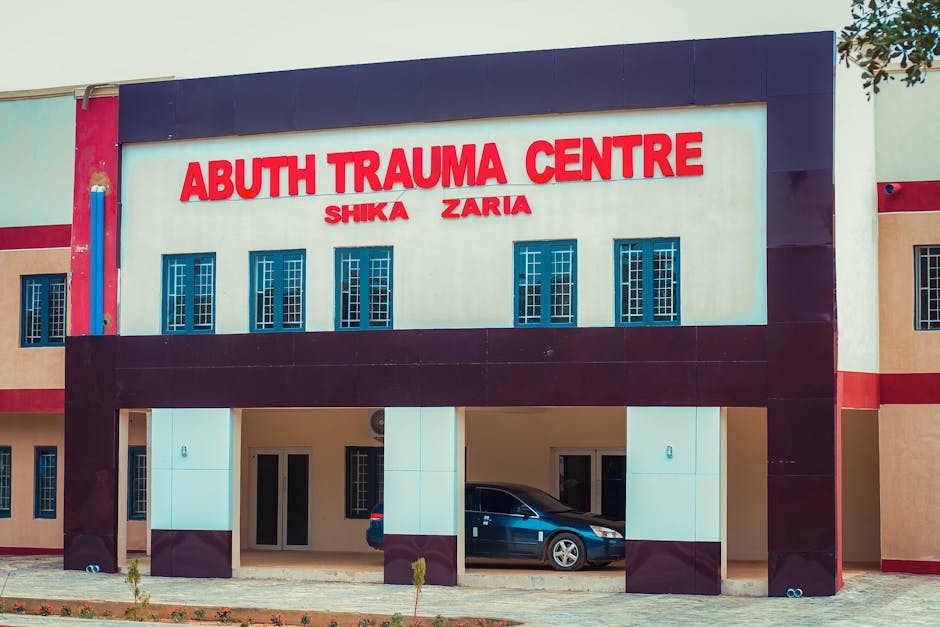
- The DRC has reactivated 12 Ebola treatment centres to combat the outbreak, originally used during the 2018–2020 epidemic.
- Weak health infrastructure, community mistrust, and violence against health workers are hindering efforts to contain the virus.
- Experts warn that the resurgence could mirror the 2014–2016 West Africa epidemic, which claimed over 11,000 lives.
At least 45 lives have been lost in the Democratic Republic of the Congo (DRC) as a new Ebola outbreak gains momentum in the eastern provinces, prompting health authorities to reactivate decommissioned treatment centres originally used during the 2018–2020 epidemic. The current fatality rate exceeds 60%, according to the World Health Organization (WHO), raising alarms across Central Africa. Cases have been confirmed in North Kivu and Ituri provinces — regions already destabilized by armed conflict and population displacement. With weak health infrastructure and widespread community mistrust, efforts to contain the virus are being undermined by violence against health workers and misinformation. If unchecked, experts warn this resurgence could mirror the 2014–2016 West Africa epidemic, which claimed over 11,000 lives and exposed critical gaps in global pandemic preparedness.
Outbreak Amid Ongoing Conflict

The reemergence of Ebola in the DRC is particularly concerning due to the volatile security environment in the affected regions. Eastern DRC hosts over 120 armed groups, many of which control rural territories where health surveillance is nearly impossible. In recent months, attacks on medical facilities and aid convoys have increased, limiting access for response teams. The overlap between active conflict zones and disease hotspots creates a dangerous synergy: population displacement accelerates viral transmission, while fear and distrust hinder contact tracing and vaccination campaigns. According to WHO data, more than 30% of Ebola cases in previous outbreaks occurred in areas with active military operations. This time, humanitarian corridors are being negotiated with local militias — an unstable and often ineffective strategy. The situation underscores how public health emergencies in conflict-affected states demand not only medical interventions but also political and security coordination.
Reactivating Emergency Infrastructure

In response to the surge, the DRC Ministry of Health, supported by WHO and Médecins Sans Frontières (MSF), is refurbishing 12 Ebola treatment centres (ETCs) across North Kivu and Ituri. These facilities, which were mothballed after the last outbreak, are being equipped with isolation units, personal protective equipment (PPE), and trained medical staff. Mobile labs are being deployed to enable rapid on-site diagnostics, reducing the time between symptom onset and confirmation from days to hours. So far, over 15,000 doses of the rVSV-ZEBOV Ebola vaccine have been administered to frontline workers and high-risk contacts. However, logistical challenges persist: roads are often impassable during the rainy season, and power outages disrupt cold-chain storage for vaccines. In Beni and Butembo, where transmission rates are highest, ETCs are operating at near capacity, prompting calls for additional international support.
Epidemiological and Social Drivers

The current outbreak is caused by the Zaire ebolavirus, the most lethal of six known Ebola species, with historical case fatality rates ranging from 50% to 90%. Genetic sequencing suggests the virus may have emerged from an animal reservoir — likely bats — rather than reactivating from a previous human case. However, cultural practices such as burial rituals involving direct contact with the deceased continue to fuel transmission. Misinformation remains a critical obstacle: in several villages, residents have rejected vaccination, believing Ebola to be a government hoax or foreign bioweapon. Social media and radio broadcasts in local languages are now being used to combat myths, but reach is inconsistent. A Reuters investigation from October 2023 found that over 60% of surveyed communities in North Kivu distrusted health messages from national authorities, a legacy of decades of political instability and exploitation.
Humanitarian and Regional Implications

The outbreak threatens not only the DRC but the broader Great Lakes region. Neighboring Uganda and Rwanda have already heightened border surveillance and initiated preemptive vaccination of health workers. The risk of cross-border transmission is elevated due to frequent informal trade and family movements across porous borders. Should the virus reach densely populated urban centres like Goma — a city of over 2 million that sits on the Rwandan border — containment would become exponentially more difficult. Beyond health impacts, the outbreak could further destabilize an already fragile economy, disrupting agriculture and trade. Humanitarian groups also warn of secondary crises: routine immunization and maternal care services are being deprioritized, potentially increasing deaths from preventable diseases like measles and malaria.
Expert Perspectives
Experts are divided on the best approach. Dr. Jean-Jacques Muyembe, director of the DRC’s National Institute for Biomedical Research, emphasizes the importance of speed: “We must act before the virus spreads beyond control.” Others, like Dr. Paul Spiegel of the Johns Hopkins Center for Humanitarian Health, caution that “medical interventions alone will fail without community engagement.” He points to the successful containment of the 2021 Ebola outbreak in Guinea, where local leaders played a central role in rebuilding trust. The debate reflects a broader tension in global health: balancing rapid technical response with long-term investment in community-based systems.
Looking ahead, the success of the response will depend on sustained funding, improved security, and deeper community involvement. The WHO has appealed for $120 million in emergency funding, but only 35% has been secured. With the rainy season approaching, delays could be catastrophic. The world is watching — not just for the sake of the DRC, but as a test of whether the lessons from past Ebola crises have truly been learned.
Source: Al Jazeera