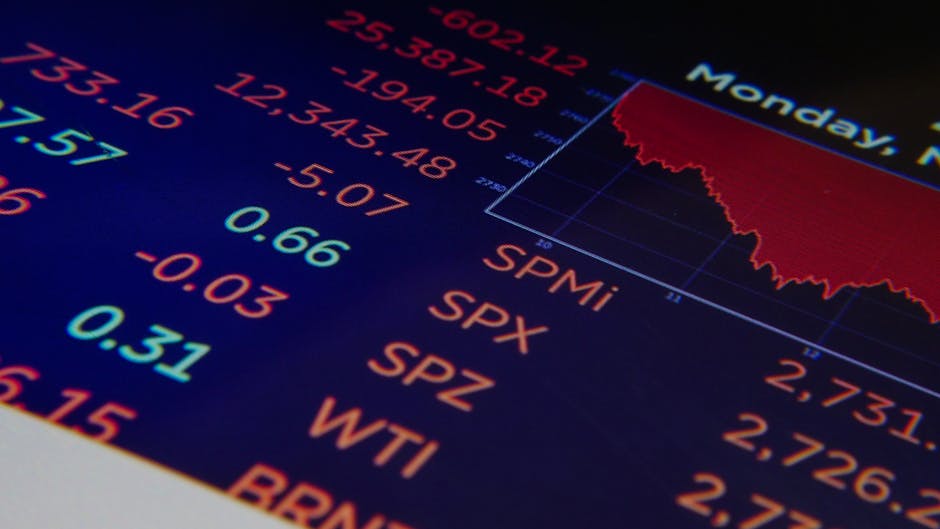
- The 30-year U.S. Treasury yield has reached its highest level since 2007, driven by inflation fears and rising interest rates.
- Investors are demanding higher compensation for holding long-dated debt amid uncertainty over fiscal sustainability and monetary discipline.
- Global bond markets are repricing risk, sending shockwaves through equities, housing, and corporate borrowing costs.
- The long end of the yield curve is closely watched as a barometer of long-term economic confidence and inflation expectations.
- Higher interest rates and inflation expectations are undermining hopes for near-term rate cuts.
The 30-year U.S. Treasury yield has surged above 4.7%, reaching its highest level since 2007, a milestone not seen since the months before the global financial crisis. This sharp rise reflects mounting anxiety among investors over stubborn inflation, growing fiscal deficits, and expectations that central banks will maintain higher interest rates for longer. The yield, which moves inversely to bond prices, has climbed steadily throughout the year as stronger-than-expected economic data, particularly in labor and services sectors, have undermined hopes for near-term rate cuts. With inflation still running above target in the U.S. and several major economies, bond markets are repricing risk, sending shockwaves through equities, housing, and corporate borrowing costs.
A Market Signal from the Long End

The long end of the yield curve, particularly the 30-year benchmark, is closely watched as a barometer of long-term economic confidence and inflation expectations. Its current level—last seen when the housing bubble was peaking and subprime risks were building—suggests that investors are demanding higher compensation for holding long-dated debt amid uncertainty over fiscal sustainability and monetary discipline. The rise isn’t isolated to the U.S.: German 30-year bund yields have climbed above 3.2%, their highest since 2011, while Japan’s 30-year JGB yields recently breached 2.5% for the first time in over two decades. These concurrent moves underscore a global repricing of duration risk, driven by synchronized inflation pressures and a retreat from the ultra-loose monetary policies that defined the post-2008 and post-pandemic eras.
Drivers Behind the Yield Surge

The primary catalyst for rising yields has been persistent inflation, particularly in services and wage-driven sectors, which have proven resistant to rate hikes. The U.S. Federal Reserve, having raised the federal funds rate to a 23-year high of 5.5%, has signaled a cautious approach to easing, with Chair Jerome Powell emphasizing data dependency. Meanwhile, U.S. government borrowing has ballooned, with Treasury issuance increasing to finance a projected $2 trillion annual deficit. According to Reuters, gross Treasury debt now exceeds $34 trillion, intensifying supply pressure on bond markets. In Europe, similar dynamics are at play, with the European Central Bank maintaining restrictive policy while countries like France and Italy face elevated borrowing costs amid political uncertainty.
Long-Term Economic Repricing

The bond market’s behavior reflects a structural shift in investor expectations. For over a decade, yields were suppressed by quantitative easing, low growth, and deflationary fears. Now, markets are pricing in a regime of higher equilibrium rates—what economists call a ‘higher for longer’ scenario. Analysts at the BBC note that break-even inflation rates, derived from Treasury Inflation-Protected Securities (TIPS), have risen to levels suggesting investors expect inflation to average around 2.7% over the next three decades. This represents a significant shift from the sub-2% expectations that dominated the 2010s. Moreover, the steepening of the yield curve in recent months indicates growing concern about future inflation rather than near-term recession risks, a notable departure from earlier market warnings in 2022 and 2023.
Who Bears the Brunt?

The ripple effects of higher long-term yields are widespread. For homeowners, the 30-year mortgage rate—closely tied to the Treasury yield—has risen above 7.5%, dampening housing affordability and cooling a key sector of consumer spending. Corporations face higher costs for long-term borrowing, potentially delaying investment and mergers. Pension funds and insurance companies, which rely on long-dated bonds for liability matching, are seeing reduced returns relative to obligations, threatening solvency in some cases. Emerging markets are also vulnerable, as stronger dollar funding costs and capital outflows intensify. Countries with high external debt, such as Argentina and Ghana, are particularly exposed to refinancing risks as global yield floors rise.
Expert Perspectives
Economists are divided on whether current yields are justified or overextended. Former Treasury Secretary Lawrence Summers warns that markets may be underestimating fiscal risks, stating that ‘the combination of high debt, high deficits, and political gridlock creates a perfect storm for sustained yield pressure.’ Conversely, former Fed economist Claudia Sahm argues that technology-driven productivity gains and demographic shifts could eventually re-anchor inflation, calling today’s yields ‘a temporary overreaction to cyclical forces.’ Meanwhile, private sector strategists at major banks are advising clients to shorten bond duration and increase allocations to inflation-protected assets, anticipating further volatility ahead.
Looking forward, all eyes will be on inflation data, central bank communications, and fiscal policy decisions in major economies. A sustained drop in core CPI or a surprise pivot by the Fed could ease pressure on yields. However, without credible plans to stabilize debt-to-GDP ratios, particularly in the U.S., the long-term trajectory may remain upward. Investors are now bracing for the possibility that the era of cheap money is not just paused—but over.
Source: The New York Times