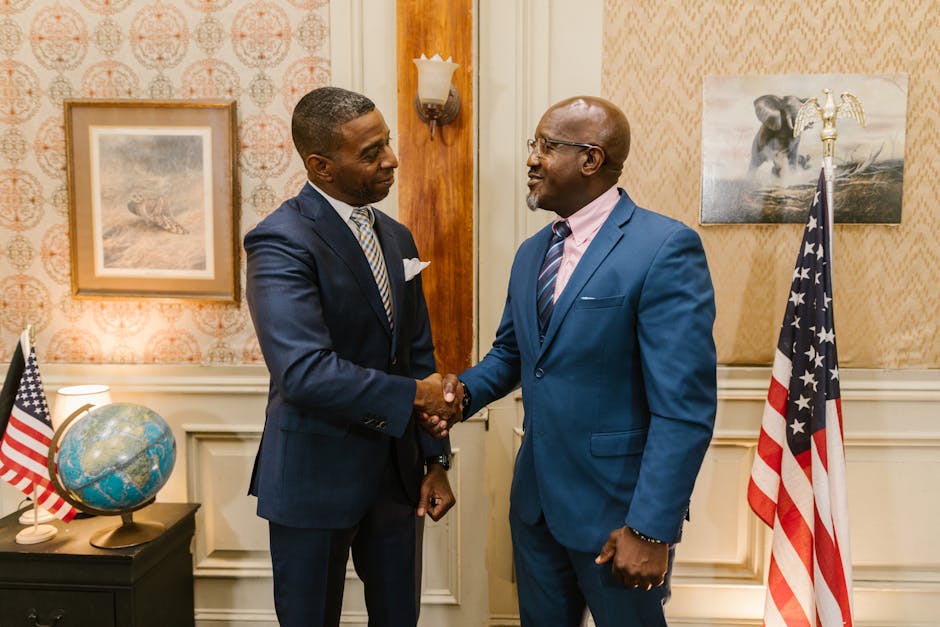
- Somaliland appointed its first ambassador to Israel in a diplomatic breakthrough for an unrecognized state.
- The appointment signals a repositioning in global geopolitics, bypassing traditional diplomatic gatekeepers.
- Somaliland aims to cultivate relationships with nations willing to engage beyond formal recognition.
- Israel maintains a strategic interest in the Horn of Africa, expanding its influence through security partnerships and aid.
- The move could lend credibility to Somaliland’s 33-year quest for sovereignty.
In a rare diplomatic breakthrough for an unrecognized state, Ahmed Adan, the newly appointed ambassador of Somaliland, presented his credentials to Israeli President Isaac Herzog in Jerusalem—marking the first time the self-declared republic has formally stationed a diplomatic representative in any foreign capital. While Somaliland is not recognized by the United Nations or any sovereign state, this appointment signals a bold repositioning in global geopolitics. Israel, which maintains a strategic interest in the Horn of Africa, has quietly expanded its influence in the region through security partnerships and development aid. The credentialing ceremony, though symbolic, represents a calculated effort by Somaliland to bypass traditional diplomatic gatekeepers and forge bilateral ties that could lend credibility to its 33-year quest for sovereignty.
A Calculated Diplomatic Gambit

Somaliland’s decision to appoint its first ambassador—specifically to Israel—reflects a broader strategy to cultivate relationships with nations willing to engage beyond the constraints of formal recognition. Since declaring independence from Somalia in 1991, Somaliland has maintained relative stability, held multiple democratic elections, and developed functioning institutions, yet it remains diplomatically isolated. By choosing Israel—a country with a history of engaging non-recognized or contested territories—Somaliland aims to exploit overlapping geopolitical interests. Israel, for its part, seeks to strengthen its presence in the Red Sea region, where access and security are vital amid rising competition with Iran and expanding Turkish and Chinese influence. This mutual need for strategic leverage transforms the ambassadorial appointment from a ceremonial gesture into a substantive political signal.
Who Is Ahmed Adan and What Does His Role Entail?

Ahmed Adan, a seasoned diplomat and former foreign affairs advisor within Somaliland’s government, was selected for his deep understanding of regional dynamics and prior experience in international negotiations. While his title is that of ambassador, his status in Israel does not confer full diplomatic immunity or recognition under the Vienna Convention, as Israel has not formally acknowledged Somaliland as a sovereign state. Nevertheless, Adan’s role includes facilitating trade discussions, coordinating security cooperation, and promoting cultural ties. His office in Tel Aviv operates more as a de facto representative mission than an official embassy. The arrangement mirrors similar setups seen with Taiwan or Kosovo in certain countries—functional diplomacy without full legal recognition. The move also underscores Somaliland’s preference for incremental legitimacy through practical engagement rather than waiting for blanket international approval.
Geopolitical Undercurrents and Regional Reactions

The appointment has sparked concern among regional actors, particularly Somalia’s federal government, which views Somaliland’s actions as a direct challenge to its territorial integrity. Mogadishu swiftly condemned the move, calling it “an illegal act of separatism” and summoning the Ethiopian ambassador—Somaliland’s closest regional ally—for consultations. Ethiopia’s 2024 memorandum of understanding with Somaliland, offering potential port access in exchange for recognition, already strained relations with Somalia. This latest development further inflames tensions. Analysts warn that such diplomatic maneuvers could destabilize the Horn of Africa, where sovereignty disputes and foreign military presence—such as the UAE’s base in Berbera and China’s growing port investments—already create friction. According to Reuters reporting on the Ethiopia deal, the region is entering a new phase of great power competition, where symbolic diplomatic acts carry real strategic weight.
Implications for Sovereignty and Recognition

For Somaliland, the ambassadorial appointment is less about immediate recognition and more about normalizing its international presence. By acting like a state—appointing envoys, negotiating agreements, and engaging in diplomacy—it seeks to create a fait accompli that may eventually force broader acknowledgment. The population of over 5 million has long expressed a desire for independence, distinct from the chaos that has plagued Somalia for decades. However, without formal recognition, Somaliland faces severe limitations in accessing international financial institutions, foreign aid, and defense partnerships. This incremental diplomacy, especially with a strategic player like Israel, could help bridge those gaps. Yet, it also risks provoking backlash from African Union members, who traditionally uphold colonial-era borders and oppose secessionist movements.
Expert Perspectives
“Somaliland is playing a long game,” says Dr. Sarah Dryden-Peterson, a specialist in African governance at Harvard University. “They’re building institutions and seeking partnerships that mimic state behavior, hoping that function will eventually precede recognition.” In contrast, some regional analysts caution against overreach. “Every step Somaliland takes toward de facto statehood risks a counter-response from Mogadishu or its allies,” warns Abdi Aynte, director of the HORN Institute in Mogadishu. “Diplomacy without consensus could lead to conflict.” Israel’s motivations are equally complex: while it gains a foothold in the Red Sea, it risks alienating Somalia, a country with strong Arab and African ties.
Going forward, the international community will closely watch whether other nations follow Israel’s lead—even informally. Will the UAE, Ethiopia, or even Western powers establish similar representative offices? And can Somaliland maintain its stability while navigating escalating regional tensions? The appointment of its first ambassador may seem symbolic, but in the delicate balance of recognition politics, symbolism can be a catalyst for change.
Source: Al Jazeera