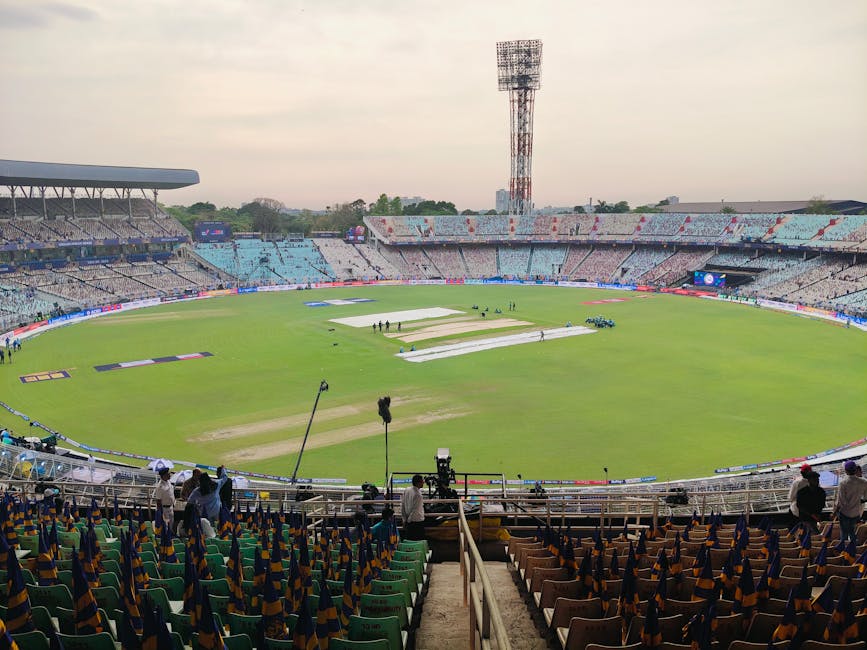
- India is facing a broadcast rights crisis, threatening a potential blackout of the 2026 FIFA World Cup.
- FIFA officials are visiting India for emergency talks to pressure broadcasters and regulators to finalize a rights agreement.
- The current impasse stems from a disagreement between FIFA’s pricing demands and Indian media companies’ reluctance to meet them.
- The absence of a rights deal is unusual for a country with India’s massive football viewership, numbering over 130 million people.
- A complete television and digital blackout would not only be a commercial failure but also a cultural disconnect for Indian football fans.
Will hundreds of millions of football fans in India be left in the dark during the 2026 FIFA World Cup? As kickoff approaches, a growing crisis over broadcast rights has triggered alarm across the subcontinent. With no official broadcaster yet signed to air the tournament, FIFA is taking the rare step of sending senior officials to New Delhi for emergency talks. The absence of a rights deal—unusual for a nation with India’s massive football viewership—has raised the specter of a complete television and digital blackout. For a country where over 130 million people tuned in to the 2022 World Cup final, according to Reuters, such a disruption would represent not just a commercial failure, but a cultural disconnect at a time when football’s popularity is surging.
Is India on the Brink of Missing the 2026 World Cup?

The direct answer is yes—without a resolution, India faces the very real possibility of not broadcasting the 2026 FIFA World Cup. FIFA officials are heading to India to pressure local broadcasters and regulatory bodies into finalizing a rights agreement before it’s too late. The current impasse stems from a clash between FIFA’s pricing demands and Indian media companies’ reluctance to meet them, especially amid broader economic caution in the broadcasting sector. Unlike past tournaments, where state-owned Doordarshan or private giants like Star Sports stepped in, no entity has committed to the 2026 rights package. This delay is particularly concerning because broadcast deals typically close at least 12 to 18 months before the tournament, and with less than two years to go, time is running out. The situation is further complicated by disputes over digital streaming rights, territorial licensing, and revenue-sharing models.
What Evidence Supports the Risk of a Blackout?

Multiple indicators confirm the seriousness of the threat. FIFA has confirmed the upcoming visit of its broadcast strategy team, underscoring the urgency. In past cases—such as the 1990 World Cup in the U.S. or the 2018 tournament in China—broadcast blackouts occurred due to failed negotiations, leaving fans without official access. According to BBC Sport, FIFA generates over $6 billion from global media rights for each World Cup cycle, with emerging markets like India gaining strategic importance. Yet Indian broadcasters argue that football still trails behind cricket in ad revenue, making premium pricing unsustainable. A 2023 FICCI report noted that sports broadcasting rights in India grew 27% annually, but 90% of that value came from cricket. Without a competitive bidding process or government intervention, as seen when Doordarshan aired the 2018 World Cup after a last-minute deal, there’s little mechanism to force a resolution.
Are There Counterarguments to the Blackout Fears?

Some industry analysts believe a last-minute deal is still likely. They point to India’s strategic value for FIFA’s global growth ambitions, arguing that the organization will eventually lower its demands or offer a bundled package including rights for other tournaments. Others suggest that a public interest intervention—possibly by the Ministry of Information and Broadcasting—could compel a solution, especially if public outcry grows. There’s also the potential for a consortium of broadcasters and tech platforms like JioCinema or SonyLIV to pool resources, reducing individual financial risk. Additionally, while the 2026 World Cup is a major event, India does not have a team participating, which may reduce political pressure compared to countries with qualifying squads. Skeptics also note that pirated streams and unofficial apps often fill the gap, though these pose legal and quality concerns for viewers and undermine FIFA’s commercial model.
What Are the Real-World Consequences of a Blackout?

A broadcast blackout would have tangible cultural and economic effects. Public viewing events in cities like Kolkata, Bengaluru, and Mumbai could be disrupted, affecting fan zones, hospitality businesses, and local economies that benefit from matchday activity. Advertisers who planned campaigns around the World Cup may pull back, impacting media revenue. More importantly, the absence of official coverage could slow football’s momentum in India, where leagues like the Indian Super League are trying to build consistent fan engagement. Young fans might turn to other sports or entertainment, weakening long-term interest. Globally, a blackout in the world’s second-most populous country would damage FIFA’s image as an inclusive, accessible sport, especially as it pushes for expanded tournaments and gender equity in viewership.
What This Means For You
If you’re a football fan in India, it’s wise to prepare for possible disruptions to your World Cup viewing experience. Monitor official announcements from FIFA and Indian broadcasters, and consider alternative platforms that might secure sublicensing rights. While a resolution is still possible, relying on last-minute fixes is risky. This situation also highlights how global sports events depend on complex commercial negotiations that can override public interest, even in massive markets.
Could this crisis force a rethink of how global sports rights are distributed in emerging economies? And might India’s growing digital infrastructure enable new models—like government-backed public broadcasts or fan-funded streaming collectives—that could bypass traditional media gatekeepers in the future?
Source: Reddit