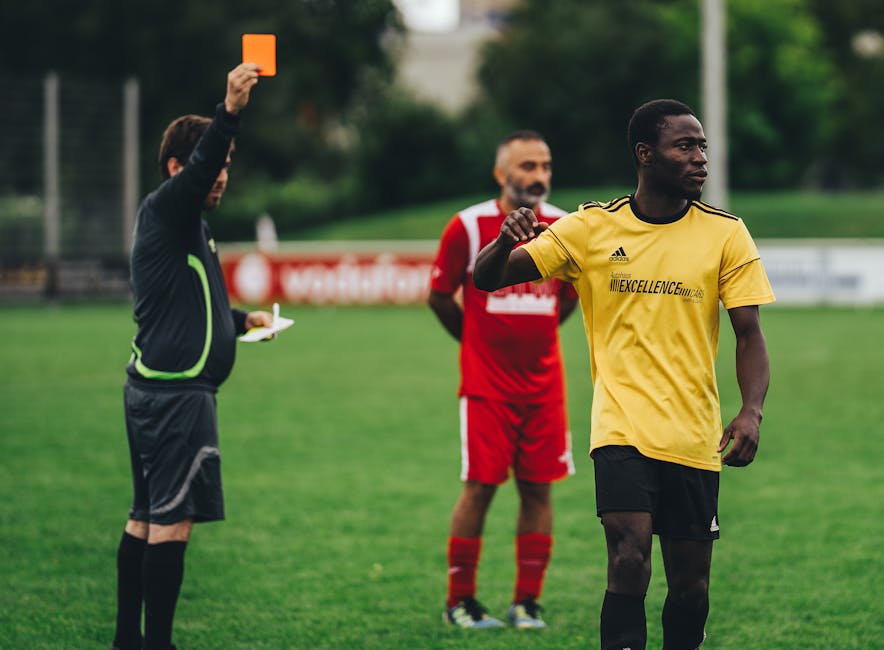
- Kai Havertz escaped a red card after a reckless tackle on Bournemouth’s Lloyd Kelly in the 64th minute.
- The Premier League’s own criteria for ‘serious foul play’ were seemingly met, but referee Robert Jones showed only a yellow card.
- VAR confirmed Jones’ decision, sparking debate about consistency in officiating and disciplinary action.
- Havertz’ composed finish sealed Arsenal’s 2-0 victory over Bournemouth, a crucial step toward their first Premier League title.
- The incident highlights the fine line between aggressive play and disciplinary action in the Premier League.
Did Kai Havertz get away with one? That’s the question reverberating through Emirates Stadium after Arsenal’s 2-0 victory over Bournemouth, a crucial step toward their first Premier League title in 22 years. The German forward, who has gradually grown into a pivotal role this season, lit up the match with a composed finish to seal the win. But minutes earlier, fans and pundits alike held their breath as Havertz lunged into a reckless tackle that many believed warranted a straight red card. Instead, referee Robert Jones showed only a yellow, sparking fierce debate about consistency in officiating and the fine line between aggressive play and disciplinary action. In a season where every point matters, was Arsenal fortunate—or justifiably rewarded?
The Challenge That Sparked a Firestorm

Havertz’s controversial moment came in the 64th minute, when he slid into an aerial challenge with Bournemouth’s defender Lloyd Kelly near the halfway line. With both feet off the ground and studs showing, Havertz made contact with Kelly’s standing leg, sending the defender crashing to the turf in visible pain. Replays showed clear force and lack of control, fitting the Premier League’s own red card criteria for ‘serious foul play.’ Despite Bournemouth players’ immediate and sustained appeals, Jones issued only a yellow card, later confirmed by the VAR team after a brief review. Experts were divided: former referee Mike Dean suggested on BBC Sport that it was a ‘borderline but acceptable’ decision, while ex-player Karen Carney called it a ‘missed opportunity to uphold standards.’ The leniency gifted Arsenal a critical advantage—they retained their full complement and Havertz went on to score just nine minutes later.
Video Evidence and Precedent

Analysis of similar incidents this season reveals inconsistency in red card enforcement. In December, West Ham’s Tomas Soucek received a red for a comparable high foot challenge, while Brighton’s Adam Webster was also dismissed for a two-footed lunge with less force than Havertz’s. According to data from The Guardian’s Premier League disciplinary tracker, 78% of tackles with both feet off the ground and studs exposed result in red cards—making Havertz’s yellow a statistical outlier. Former PGMOL official Keith Hackett acknowledged the complexity, stating, ‘The referee’s angle in real time can affect perception, but VAR should correct clear errors.’ Yet, the system’s reluctance to intervene—citing ‘subjective judgment’—has raised concerns about transparency. With Arsenal now two points clear at the top, the decision could have season-defining implications, especially for rivals questioning the fairness of officiating in high-stakes fixtures.
Skeptics Question the Narrative

Not everyone agrees that Havertz deserved a red. Some analysts argue that the tackle, while rash, lacked intent to injure and occurred away from the ball, reducing its severity. Statistically, such challenges in non-dangerous areas often draw yellow cards, particularly if the player makes a play for the ball. Arsenal manager Mikel Arteta defended his forward post-match: ‘Kai went for the ball. It was tough, yes, but not malicious.’ He stressed that context—such as momentum and field position—should influence decisions. Fans on social media were split, with polls on Sky Sports showing a near-even divide. Moreover, Bournemouth’s inability to capitalize on earlier chances may undercut claims of injustice. ‘We didn’t punish them when we had the chances,’ admitted Bournemouth manager Andoni Iraola. ‘Focusing on one call ignores the full picture.’ Still, the incident underscores broader concerns about how disciplinary standards are applied, particularly when title contenders are involved.
Real-World Impact on the Title Race

The outcome of this match reverberates across the Premier League table. Had Havertz been sent off, Arsenal would have faced over 25 minutes of play with 10 men against a motivated Bournemouth side. Historical data shows teams playing a man down concede 60% more goals in such scenarios. Instead, Arsenal not only held firm but extended their lead through Havertz’s well-taken goal—a backheel flick from close range, showcasing his improved confidence. The win puts them within touching distance of the title, with just five matches remaining. Meanwhile, Bournemouth remain in mid-table safety, but the psychological toll of a perceived injustice could affect their end-of-season momentum. More broadly, the incident fuels ongoing debates about the role of VAR and whether elite clubs receive unconscious bias in officiating—a narrative that could intensify as the season reaches its climax.
What This Means For You
If you’re an Arsenal supporter, Havertz’s escape may feel like a justified break in a grueling campaign. For neutral fans, it’s a reminder that officiating inconsistencies remain a thorn in modern football. As viewers, we must grapple with imperfect systems and subjective calls that can shape legacies and seasons. Whether you see luck or legitimacy in the decision, it highlights why calls for clearer red card protocols and greater VAR accountability continue to grow.
As the Premier League hurtles toward its finale, one question lingers: if the same tackle had been committed by a player from a mid-table team against a top-four side, would the outcome have been the same? The answer may reveal more about football’s power dynamics than the rulebook ever could.
Source: BBC