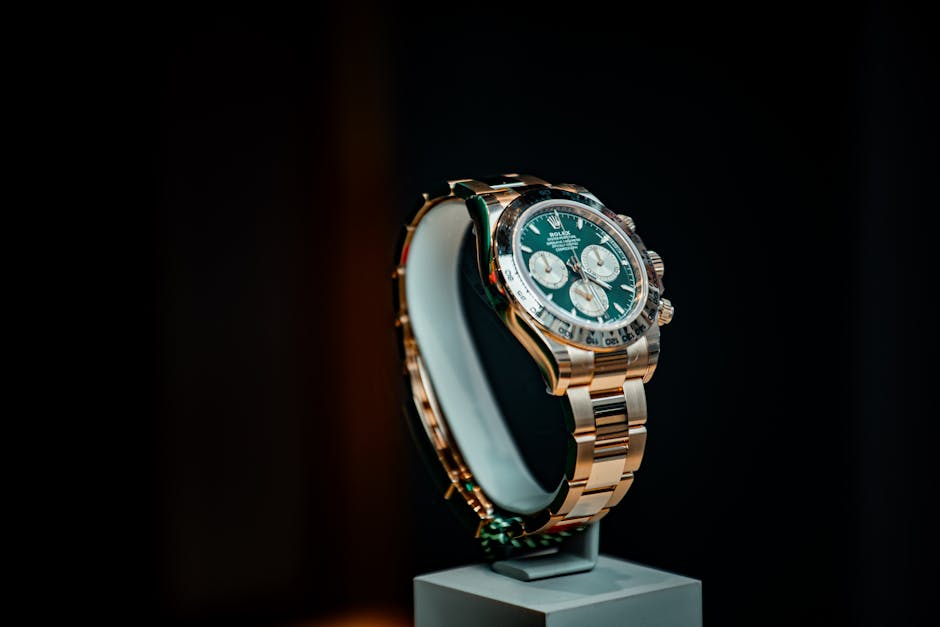
Why are people camping outside Swatch stores for days just to buy a $280 watch? The question has gone viral as videos of overnight queues, sudden sell-outs, and resold timepieces fetching ten times their retail price flood social media. At the center of the frenzy is the Swatch x Audemars Piguet Bioceramic Royal Oak, known unofficially as the Royal Pop — a colorful, lightweight reinterpretation of one of the most coveted luxury watches in the world. This isn’t just about telling time; it’s about access, identity, and the shifting economics of desire. In an era where exclusivity often means unattainability, how did a mass-market brand create the most sought-after watch on the planet — and what does that say about modern consumer culture?
What Makes the Royal Pop So Desirable?

The Royal Pop’s appeal lies in its audacious fusion of high and low. Swatch, long known for affordable, playful watches, partnered with Audemars Piguet (AP), a storied Swiss manufacturer whose Royal Oak models routinely sell for over $50,000. The collaboration reimagines AP’s iconic octagonal bezel and ‘tapisserie’ dial in Swatch’s signature Bioceramic material — a blend of ceramic and bio-sourced plastics — making the watch both durable and eco-conscious. While the mechanics are Swatch’s standard quartz movement, the design is a near-identical homage to the AP Royal Oak. For fans of horology who could never afford the original, the Royal Pop offers a socially acceptable proxy, blending authenticity, design fidelity, and affordability. As Reuters noted, the launch triggered unprecedented demand across Europe, Asia, and North America, with stores reporting lines stretching around city blocks.
What Evidence Shows the Scale of the Hype?

Demand for the Royal Pop has reached fever pitch. In cities like London, Tokyo, and Dubai, customers have lined up for 24 to 48 hours ahead of store openings, some bringing sleeping bags and portable chairs. Swatch has imposed strict purchase limits — one watch per person — and some locations use lottery systems to ensure fairness. Secondary market prices tell an even starker story: listings on platforms like StockX and Chrono24 show models reselling for $2,500 to $3,000, a tenfold markup. Analysts attribute this to scarcity and symbolic value. ‘It’s not just a watch — it’s a cultural artifact,’ said luxury market analyst Luca Solca to BBC News. ‘Swatch has democratized a status symbol that was once reserved for the elite.’ The collaboration also aligns with broader consumer trends: younger buyers increasingly favor experiential purchases and brand storytelling over traditional luxury signals. Swatch’s limited release strategy — only 20,000 units of certain models — has amplified urgency, turning each drop into a global event.
Are There Skeptics Questioning the Hype?

Despite the excitement, critics argue the Royal Pop phenomenon reflects deeper issues in consumer culture. Some watch purists dismiss the collaboration as a gimmick, arguing that a quartz movement and plastic build can never replicate the craftsmanship of a mechanical Royal Oak. ‘It’s a sticker on a Swatch,’ wrote one horology blogger, ‘no matter how good it looks.’ Others raise concerns about sustainability and equity: while Swatch uses bio-materials, the frenzy encourages overconsumption and benefits resellers more than genuine fans. There are also ethical questions about labor and supply chains when mass demand spikes overnight. Additionally, some observers warn that blurring the lines between luxury and fast fashion could devalue both. If a $280 watch can capture the prestige of a $50,000 icon, what happens to the notion of craftsmanship, time, and authenticity? As luxury scholar Dr. Elena Martinez noted, ‘When access replaces rarity, we risk turning heritage into hype.’
What Real-World Impact Is the Royal Pop Having?

The Royal Pop is already reshaping retail strategies and brand partnerships. Other watchmakers are reportedly exploring similar mid-tier collaborations, while fashion analysts point to the model as a blueprint for engaging Gen Z and millennial consumers. Swatch’s parent company, the Swatch Group, saw a measurable bump in foot traffic and online engagement following the launch, benefiting not just the Royal Pop line but its entire product range. The phenomenon has also sparked conversations about intellectual property and brand dilution — Audemars Piguet, known for its discretion, took a bold risk by licensing its most iconic design. Yet early returns suggest it paid off: AP has maintained its exclusivity while gaining global visibility. Meanwhile, cities hosting major drop locations have seen economic spillovers, with nearby cafes and hotels benefiting from the influx of eager buyers. The Royal Pop, in effect, has become more than a product — it’s a case study in modern brand alchemy.
What This Means For You
Whether you’re a watch enthusiast or a casual observer, the Royal Pop reveals how brands can create value not just through quality, but through narrative, access, and emotional resonance. It shows that today’s consumers don’t just buy products — they buy into stories, communities, and symbols of belonging. For everyday shoppers, the lesson is clear: scarcity and authenticity, even when manufactured, can drive real-world behavior and economic impact. If you’re considering joining the next drop, know that you’re not just buying a watch — you’re participating in a cultural moment shaped by design, desire, and digital word-of-mouth.
But the bigger question remains: as more luxury brands open their doors to mass-market collaborations, how will we redefine what’s truly valuable? Will the next generation see craftsmanship as less important than cultural relevance? And can brands maintain authenticity while chasing viral moments? The Royal Pop may be a watch, but it’s also a mirror — reflecting how we assign meaning, status, and worth in a fast-moving, image-driven economy.
Source: BBC