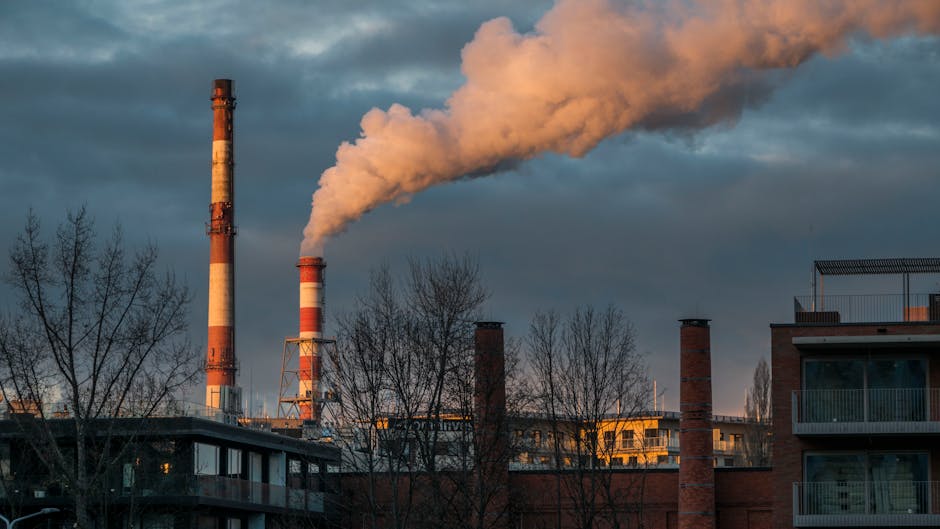
- Trump administration rolled back 3 major PFAS rules in 2025, exposing communities to toxic chemicals.
- The repealed regulations included monitoring requirements, discharge limits, and hazardous substance classification for PFAS.
- The Environmental Protection Agency (EPA) under Trump leadership finalized the repeal of these rules.
- The rollback targets communities reliant on well water contaminated with PFAS compounds like PFOA.
- The deregulation increases cancer, thyroid disease, and developmental disorder risks for affected residents.
In a quiet industrial stretch outside Grand Rapids, Michigan, families once gathered at neighborhood barbecues, children splashing in backyard pools fed by well water now known to be laced with invisible, indestructible toxins. For years, the chemical known as perfluorooctanoic acid (PFOA) seeped from a nearby manufacturing facility into the groundwater, undetected and unregulated. Today, blood tests from residents reveal elevated levels of PFAS compounds—chemicals that cling to human tissue for years, resist natural degradation, and have been linked to cancer, thyroid disease, and developmental disorders. Now, just as communities like this one began to see the first glimmers of federal protection, those safeguards have vanished. In early 2025, the Trump administration dismantled three cornerstone regulations designed to limit these so-called ‘forever chemicals,’ erasing monitoring requirements, weakening discharge limits, and halting efforts to classify PFAS as hazardous substances.
Regulatory Reversals Take Immediate Effect

The Environmental Protection Agency (EPA), under new leadership appointed in the final months of the Trump administration, finalized the repeal of rules that would have required utilities to test for 29 types of PFAS in drinking water and mandated cleanup of contaminated sites under the Superfund program. The most significant rollback targeted the 2023 National Primary Drinking Water Regulation, which set an enforceable limit of 4 parts per trillion for PFOA and PFOS—the first federal standard of its kind. Additionally, the administration withdrew the proposed designation of several PFAS compounds as hazardous under the Comprehensive Environmental Response, Compensation, and Liability Act (CERCLA), effectively blocking federal authority to compel polluters to clean up contamination. According to internal EPA memos obtained by Reuters, the decision was justified on grounds of ‘economic burden’ and ‘regulatory overreach,’ despite over 7,000 public comments urging the agency to maintain the protections.
The Long Road to Regulation

PFAS—short for per- and polyfluoroalkyl substances—have been used since the 1940s in non-stick cookware, water-repellent fabrics, firefighting foams, and food packaging. Their carbon-fluorine bonds are among the strongest in organic chemistry, making them incredibly persistent in the environment and the human body. By the early 2000s, internal corporate documents revealed that manufacturers like 3M and DuPont were aware of the health risks but concealed them for decades. Pressure mounted after a landmark class-action lawsuit in Parkersburg, West Virginia, linked DuPont’s use of PFOA to elevated rates of kidney cancer and testicular cancer among residents. This led to the phaseout of PFOA and PFOS under a 2006 EPA stewardship program, but thousands of other PFAS variants remained in use. It wasn’t until the 2010s that widespread testing confirmed PFAS contamination in the blood of nearly all Americans and in over 45% of U.S. tap water systems, according to a 2023 study published in Nature.
Who Benefits from the Rollback?

The deregulatory push was championed by a coalition of chemical industry lobbyists and conservative policymakers who argue that PFAS restrictions stifle innovation and harm national defense, where the compounds are used in firefighting foams and aircraft components. Key figures included EPA Administrator Lee Zeldin, a former congressman with ties to industrial trade groups, and senior advisors from the American Chemistry Council. Internal communications show coordinated efforts between the agency and industry representatives to delay and dilute proposed standards. Meanwhile, public health advocates, including the Environmental Working Group and the Union of Concerned Scientists, have condemned the move as a betrayal of vulnerable communities. Dr. Linda Birnbaum, former director of the National Institute of Environmental Health Sciences, stated: ‘This decision isn’t based on science—it’s based on politics. We’re putting profits over people.’
Consequences for Public Health and the Environment

The removal of federal PFAS regulations leaves states to set their own standards, creating a fragmented and inconsistent patchwork of protections. States like Michigan, California, and New York had begun enforcing strict limits, but without federal backing, funding for monitoring and remediation may dry up. Water utilities, particularly in rural areas, may lack the resources to detect or remove PFAS, exposing millions to unregulated contamination. Medical researchers warn that long-term exposure—even at low levels—can suppress immune responses, reduce vaccine efficacy, and impair child development. The Centers for Disease Control and Prevention (CDC) has identified PFAS exposure as a growing public health threat, with potential costs in healthcare and lost productivity exceeding $100 billion over the next two decades.
The Bigger Picture
The reversal of PFAS regulations is not an isolated incident but part of a broader pattern of environmental deregulation that prioritizes short-term economic interests over long-term human and ecological health. It underscores the vulnerability of public health policy to political shifts and the influence of well-funded industry lobbying. As climate change and chemical pollution converge into a new era of environmental risk, the absence of federal safeguards could set back decades of progress. The decision also raises ethical questions about intergenerational harm, as PFAS persist in the environment for centuries, affecting future populations who had no role in their release.
What comes next may depend on the 2024 election’s aftermath and the resilience of state-level activism. Legal challenges to the repeal are already being prepared by a coalition of attorneys general from 15 states. Meanwhile, scientists continue to develop advanced filtration technologies and safer chemical alternatives, but without enforceable standards, adoption remains uneven. For the residents of West Michigan and countless other communities living atop invisible toxic legacies, the fight for clean water is far from over.
Source: Cnn