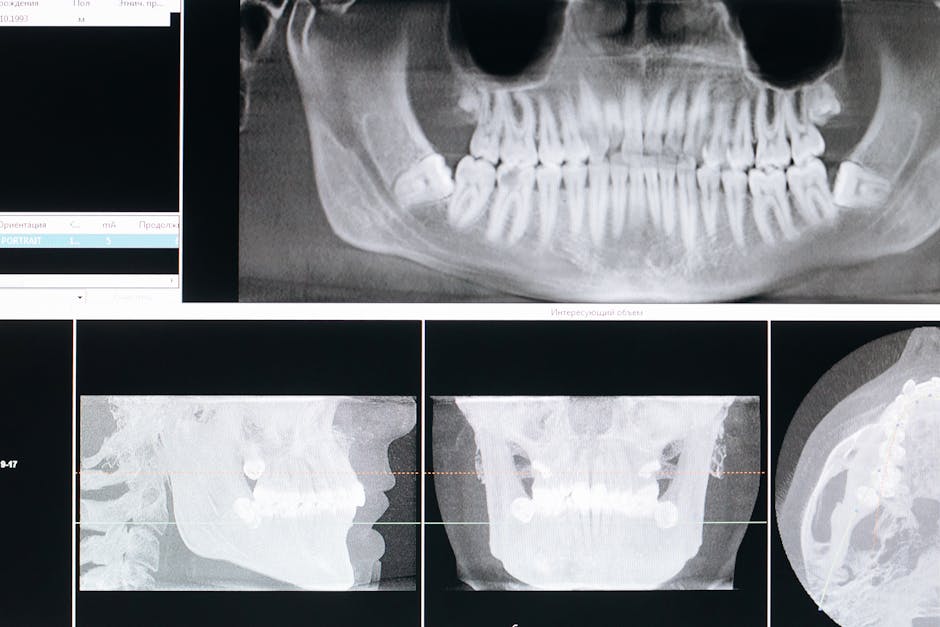
- Human skulls have become more rounded over the past century due to significant lifestyle changes.
- Jaw sizes have increased in width, potentially linked to softer diets and reduced childhood disease.
- These changes occurred in just a few generations, a faster rate than typical evolutionary processes.
- Skull transformations may be linked to improvements in public health and reduced disease prevalence.
- The implications of these changes extend beyond mere bone structure, affecting overall human anatomy.
What if the shape of your skull isn’t just a matter of genetics, but also a reflection of how modern life has reshaped the human body? Over the past century, people in industrialized nations have experienced profound changes in diet, health, and living conditions—changes so significant that they may now be visible in our very bones. Recent research shows that human skulls have undergone measurable transformations since the early 1900s: they’ve become more rounded, and jaws have grown wider. While evolution typically operates over thousands of years, these changes have occurred in just a few generations. Could improvements in public health, softer diets, or reduced childhood disease be physically altering human anatomy before our eyes? The answer appears to be yes—but the implications go beyond mere bone structure.
How Has the Human Skull Changed Since 1920?

Since the early 20th century, human skulls have become significantly more globular—or rounder—while facial structures, particularly the jaw, have broadened. A 2023 study published in Scientific Reports analyzed over 200 skull specimens from European and American populations, comparing those born between 1883 and 1998. The researchers found a consistent trend: cranial height increased relative to width, and the face expanded transversely. These changes suggest a shift in overall skull proportions, with the braincase becoming more spherical and the midface wider. Importantly, the changes weren’t random—they followed a directional pattern, indicating environmental rather than genetic drivers. The study’s authors argue that such rapid morphological shifts are unlikely due to natural selection and instead point to developmental plasticity, where the body’s growth responds to external conditions like nutrition and disease exposure.
What Evidence Supports This Rapid Cranial Change?

The data supporting these changes come from both skeletal measurements and historical health records. Researchers used 3D imaging and geometric morphometrics to quantify subtle shifts in skull shape across birth cohorts. They found that individuals born after the 1950s exhibited more pronounced rounding than those born earlier in the century. Crucially, these changes coincide with major public health advances: widespread vaccination, improved sanitation, better prenatal care, and more consistent childhood nutrition. For example, reduced incidence of respiratory infections may have decreased mouth breathing in children, influencing facial development. Additionally, diets have shifted from tough, fibrous foods to softer, processed meals, reducing mechanical stress on the jaw during growth. As noted by biological anthropologists, the masticatory-functional hypothesis suggests that less chewing leads to underdeveloped jaw muscles and altered bone remodeling. These combined factors likely contribute to the observed widening and rounding of the skull.
Are Scientists Skeptical About These Findings?

While the evidence is compelling, some researchers urge caution in interpreting the results. One concern is sample bias: most of the skulls studied come from urban, industrialized populations in Europe and North America, limiting generalizability to global populations. Additionally, changes in cranial shape might reflect demographic shifts—such as increased immigration or mixed ancestry—rather than environmental effects alone. Other experts note that skull shape naturally varies across populations, and short-term fluctuations may not indicate a true evolutionary or developmental trend. Furthermore, while diet and health improvements are plausible drivers, the exact mechanisms linking them to specific bone changes remain speculative. Some anthropologists argue that without longitudinal data tracking individuals across lifetimes, it’s difficult to rule out genetic drift or population mixing as alternative explanations. Still, the consistency of the pattern across multiple datasets strengthens the case for environmental influence.
What Are the Real-World Consequences of Changing Skull Shape?

These anatomical shifts may have tangible effects on health and medicine. For instance, a rounder skull and wider jaw could influence the prevalence of dental crowding, sleep apnea, and orthodontic needs. As jaws grow broader, the alignment of teeth may change, potentially reducing the need for extractions in orthodontic treatment. Conversely, changes in airway anatomy might affect breathing patterns, though the relationship is complex. From a forensic perspective, modern skull morphology may challenge identification methods that rely on historical averages. In paleoanthropology, these rapid changes underscore the importance of considering environmental context when interpreting skeletal remains. Beyond medicine, the findings highlight how deeply societal progress—like better nutrition and child health—can imprint on the human body, even at the skeletal level. It’s a physical testament to how public health triumphs are written not just in lifespans, but in bone.
What This Means For You
The shape of your skull may seem fixed, but science shows it’s partly shaped by the world you grew up in. If you were born after the mid-20th century, your rounded skull could be a product of cleaner water, vaccines, and softer food—unexpected legacies of modern life. These changes remind us that human biology isn’t static; it responds dynamically to environment and lifestyle. While you can’t change your skull shape, understanding this plasticity reinforces the value of early-life health, nutrition, and preventive care for future generations.
As researchers continue to explore how modern environments reshape our bodies, a new question emerges: if skulls are changing this much in 100 years, what might humans look like a century from now? Will further reductions in physical activity and dietary texture lead to even more pronounced facial changes? And how will these shifts affect long-term health outcomes like airway disorders or dental development? The human skeleton, once thought to be a stable archive of ancestry, may instead be a living record of our changing world—prompting both fascination and caution as we shape the biology of tomorrow.
Source: New Scientist