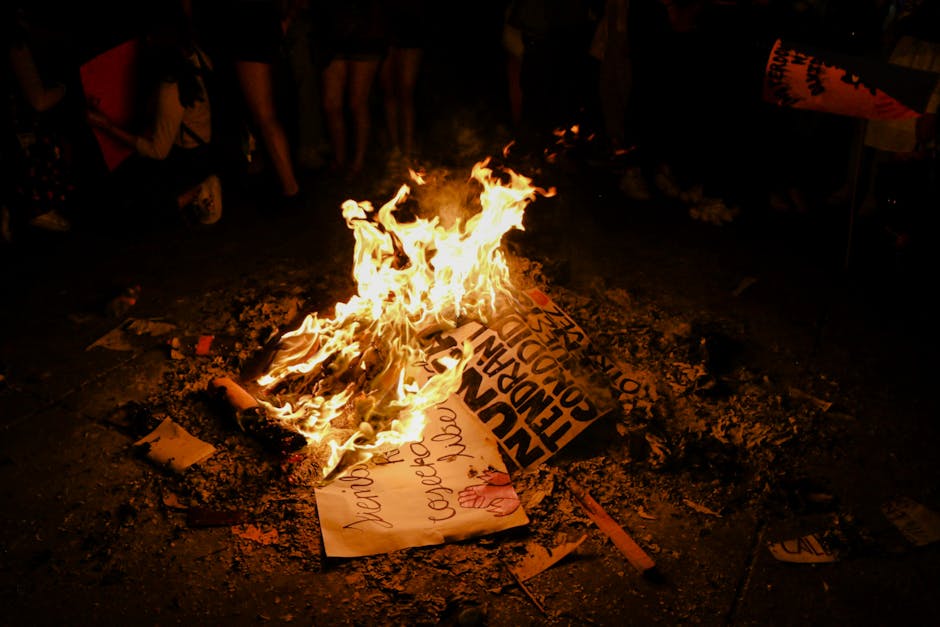
- Kenya is experiencing its worst civil unrest in over five years following a 23.5% fuel price hike.
- Protests have resulted in at least 37 reported deaths and over 500 injuries nationwide.
- The unrest has disrupted key sectors, including transport, agriculture, and retail, causing significant economic losses.
- Mobile internet blackouts have been reported in urban centers, raising concerns about transparency and government accountability.
- The fuel price increase has pushed millions of Kenyans into deeper hardship due to soaring living costs.
Kenya is reeling from its most severe civil unrest in over five years, triggered by a 23.5% increase in fuel prices announced last week. The surge, driven by global oil market volatility and a weakening shilling, has set off nationwide strikes, violent demonstrations, and at least 37 reported deaths, according to the Kenya National Commission on Human Rights. The protests, initially led by youth and labor groups, have evolved into a broader movement demanding government accountability, economic reform, and relief from soaring living costs that have pushed millions into deeper hardship. With roads blocked, businesses shuttered, and schools closed, the unrest threatens not only public order but also Kenya’s already fragile economic recovery.
Escalating Death Toll and Economic Disruption

Official reports confirm that at least 37 people have died and over 500 injured in protests that erupted within 48 hours of the government’s fuel price announcement. The Kenya Red Cross documented fatalities in Nairobi, Kisumu, Mombasa, and Eldoret, where police used tear gas, live ammunition, and barricades to disperse crowds. Mobile internet blackouts were reported in several urban centers, raising concerns about transparency. Economically, the strike action has disrupted transport, agriculture, and retail sectors. The Kenya Association of Manufacturers estimated daily losses exceeding $25 million as supply chains stalled and port operations slowed. Fuel prices now stand at approximately 170 Kenyan shillings per liter (about $1.30), up from 138, placing Kenya among the most expensive fuel markets in East Africa. According to the Energy and Petroleum Regulatory Authority (EPRA), the hike reflects a 22% depreciation of the shilling against the U.S. dollar and elevated global crude prices, with Brent crude averaging $87 per barrel in June 2024..
Key Actors: Government, Protesters, and International Watchdogs

The Kenyan government, led by President William Ruto, maintains the price adjustment was unavoidable due to external economic forces. Ruto has blamed global supply chain disruptions and Middle Eastern conflicts—particularly instability in the Red Sea and Persian Gulf—for inflating import costs, as Kenya sources over 90% of its refined petroleum from UAE, Saudi Arabia, and Oman. Meanwhile, the protest movement has been decentralized but energized by coalitions such as the Kenya Youth Movement and the Central Organization of Trade Unions (COTU), which called for a nationwide strike on June 18. Civil society groups, including Human Rights Watch, have condemned the use of lethal force by police, urging independent investigations into excessive violence. The African Union and United Nations have issued statements calling for dialogue, while the U.S. Embassy in Nairobi warned American citizens of “unpredictable and potentially dangerous” conditions amid ongoing unrest..
Trade-Offs: Fiscal Discipline vs. Social Stability

The government’s decision to pass rising fuel costs to consumers reflects a broader dilemma between maintaining fiscal discipline and preserving social peace. Kenya’s debt-to-GDP ratio stands at 68%, with over 60% of government revenue allocated to debt servicing, limiting room for subsidies. The IMF, with which Kenya has a $2.9 billion Extended Fund Facility agreement, has encouraged market-based pricing to reduce fiscal strain. However, the human cost has been steep: a 23.5% fuel hike translates to an immediate 30% rise in public transport fares, which directly impacts over 80% of Kenyans who rely on matatus (minibuses) for daily commutes. Inflation, already at 7.4% in May, is projected to breach 9% by August. While the government has introduced targeted cash transfers for 1.5 million low-income households, critics argue the measures are insufficient and poorly targeted, leaving millions vulnerable to food and energy insecurity.
Why Now? The Breaking Point of Cumulative Pressures

The current unrest did not emerge in isolation but is the culmination of years of economic strain. Since 2022, Kenyans have faced consecutive droughts, rising food prices, and tax hikes tied to IMF reform conditions. The shilling has lost nearly 40% of its value since 2021, making imports significantly more expensive. The fuel price surge acted as a catalyst, igniting long-simmering frustrations with perceived elite insulation and systemic corruption. Social media, particularly platforms like X (formerly Twitter) and TikTok, amplified grassroots mobilization under hashtags like #FuelProtestsKE and #RutoResign. Unlike past protests, which were often regionally confined or ethnically charged, the current wave has cut across urban-rural and demographic lines, signaling a shift toward class-based economic dissent that challenges the political status quo.
Where We Go From Here
In the next 6–12 months, Kenya could face one of three scenarios. First, the government may agree to negotiations with protest leaders, potentially rolling back part of the fuel hike or expanding social safety nets, leading to a fragile truce. Second, if repression intensifies and dialogue fails, the protests could evolve into sustained civil disobedience, risking prolonged economic paralysis and potential regional spillover. Third, a compromise facilitated by regional bodies like the East African Community could lead to emergency financial support—such as a fuel stabilization fund or debt restructuring—enabling temporary subsidies without breaching IMF conditions. The outcome will depend heavily on the government’s willingness to engage and the cohesion of the protest movement, which so far lacks a centralized leadership.
Bottom line — Kenya’s fuel-driven crisis underscores the peril of economic models dependent on volatile imports and highlights the urgent need for energy diversification, fiscal inclusivity, and political responsiveness to prevent deeper instability.
Source: Dw