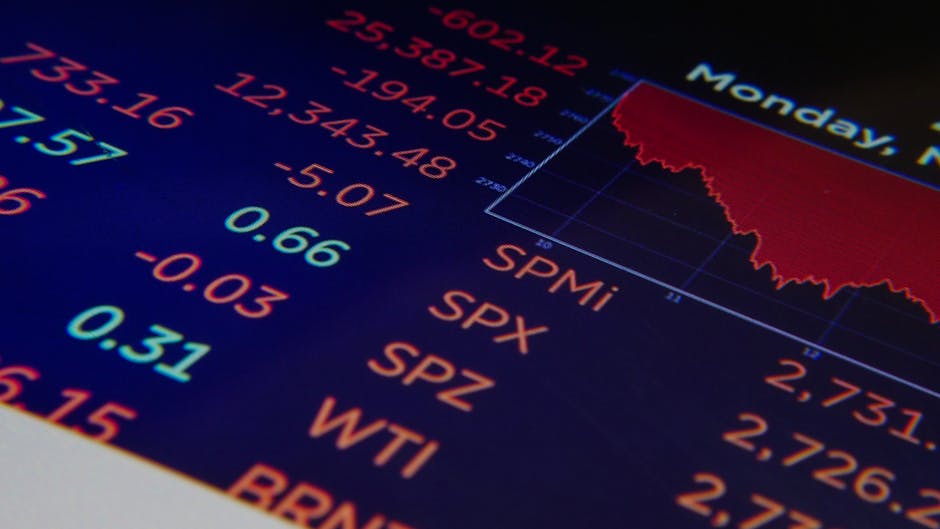
- Yahoo Finance’s AlphaSpace offers a customizable, no-cost dashboard for retail investors.
- AlphaSpace provides professional-grade research capabilities, including real-time data, advanced charting, and global market intelligence.
- Unlike the Bloomberg Terminal, AlphaSpace is free to access and built on Yahoo Finance’s existing infrastructure.
- The platform allows users to personalize their market data experience with drag-and-drop widgets and news feeds.
- AlphaSpace is designed to democratize access to financial tools, making them more accessible to everyday investors.
Can everyday investors finally get the same tools as Wall Street traders? With more than 150 million people using online brokerage platforms in the U.S. alone, the demand for sophisticated yet accessible financial tools has never been higher. For decades, platforms like the Bloomberg Terminal have given institutional investors a massive edge with real-time data, advanced charting, and global market intelligence—but at a steep cost of over $24,000 per year. Now, Yahoo Finance claims to be closing that gap with AlphaSpace, a customizable, no-cost dashboard designed to bring professional-grade research capabilities to the average investor. The question isn’t just whether it can replicate the power of Bloomberg’s platform, but whether it can do so in a way that’s intuitive, reliable, and truly democratizing.
What Is AlphaSpace and Who Is It For?

AlphaSpace is Yahoo Finance’s new modular dashboard that allows users to personalize their market data experience with drag-and-drop widgets, real-time price tracking, advanced charting, news feeds, and portfolio monitoring. Unlike the Bloomberg Terminal, which requires extensive training and a steep monthly fee, AlphaSpace is free to access and built on Yahoo Finance’s existing infrastructure, which already serves millions of daily users. The platform is designed specifically for retail investors who want deeper insights than basic stock quotes but don’t have the budget or need for enterprise-level tools. By integrating data from multiple exchanges, SEC filings, earnings calendars, and analyst ratings, AlphaSpace aims to consolidate what would otherwise require several subscriptions into one streamlined interface. According to Yahoo Finance executives, the goal is not to replace Bloomberg but to offer a viable alternative for the 150 million everyday investors who’ve long been locked out of high-end analytics.
What Evidence Supports AlphaSpace’s Potential?

Yahoo Finance’s scale gives it a significant advantage in rolling out AlphaSpace. With over 200 million monthly active users globally, the platform already has deep audience trust and integration with widely used tools like Gmail and Yahoo Mail. In beta testing, early users reported faster data loading times and smoother customization than competitors such as Google Finance or MarketWatch. External validation comes from financial data analysts at Reuters, who noted that Yahoo’s recent investments in real-time data partnerships with exchanges like Nasdaq and NYSE have drastically improved the accuracy and latency of its feeds—now within milliseconds of institutional sources. Additionally, AlphaSpace incorporates machine learning to surface personalized insights, such as earnings trend anomalies or unusual options activity, features previously limited to premium platforms. As the BBC has reported, the retail investing surge since 2020 has intensified demand for tools that help individuals make informed decisions without relying on financial advisors.
Are There Reasons to Be Skeptical?

Despite its promise, AlphaSpace faces skepticism from financial professionals and tech analysts alike. Some argue that while the interface may look powerful, it lacks the depth of Bloomberg’s proprietary data sets, such as bond pricing, foreign exchange analytics, and direct messaging between traders. Others point out that free platforms often monetize user data or prioritize ad-supported content, potentially compromising objectivity. There are also concerns about data overload: without proper financial literacy, novice investors might misinterpret advanced metrics like implied volatility or free cash flow yield, leading to poor decisions. Critics also note that Yahoo Finance has undergone multiple ownership changes—from Verizon to Apollo Global Management—raising questions about long-term commitment to product innovation. As one analyst at The New York Times observed, “Democratizing data is valuable, but only if users understand how to use it responsibly.”
What Real-World Impact Could AlphaSpace Have?

If widely adopted, AlphaSpace could shift the balance of power in personal finance. Imagine a teacher in Ohio tracking semiconductor ETFs alongside earnings revisions and insider trading data, or a freelance designer in Austin building a diversified portfolio using real-time sentiment analysis—all without paying a dime. The platform could also pressure competitors like Bloomberg and Morningstar to lower prices or offer stripped-down versions for retail users. On a broader scale, increased access to financial data may contribute to more informed investing, reducing reliance on social media hype or speculative trends like meme stocks. However, there’s also a risk of amplifying market volatility if large numbers of retail investors react simultaneously to the same signals. Already, regulators at the SEC are watching how digital platforms influence trading behavior, especially after the GameStop episode in 2021. AlphaSpace, while empowering, enters a complex ecosystem where information access doesn’t always equate to better outcomes.
What This Means For You
If you’re an individual investor, AlphaSpace could be a game-changer—offering tools once reserved for finance professionals at no cost. It won’t replace expert advice, but it can help you make more informed decisions by bringing critical data into one place. The key will be using it wisely: focus on understanding the metrics, set clear investment goals, and avoid reacting impulsively to real-time alerts. As financial platforms become more powerful, your ability to interpret data may matter more than the data itself.
Still, the rise of retail investing tools raises a deeper question: as the line between professional and amateur investors blurs, how will markets adapt to a more democratized, yet potentially more volatile, financial landscape?
Source: Fortune