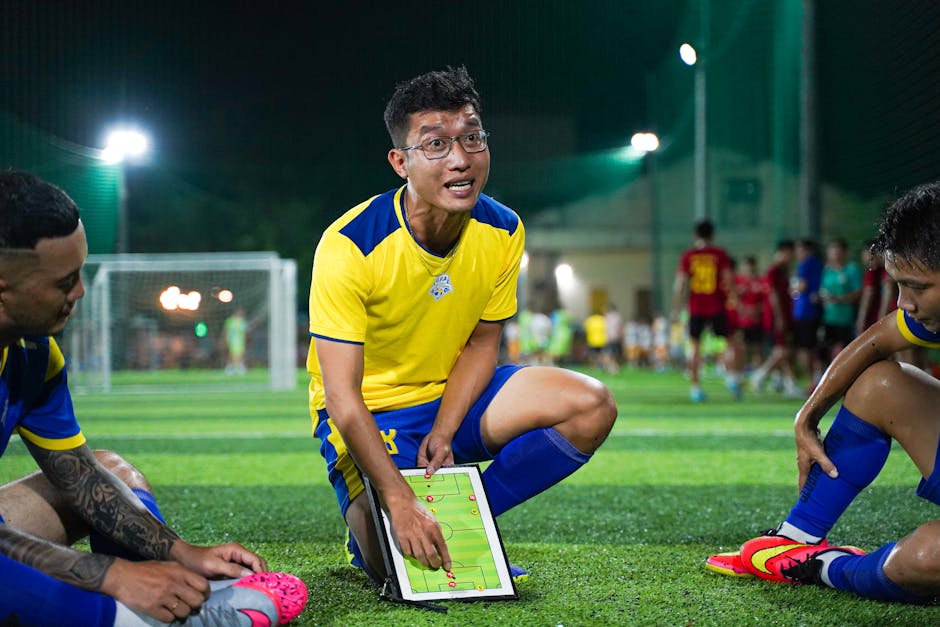
- Steve Clarke prioritizes balance and versatility when selecting his Scotland squad.
- Experience in high-pressure environments, such as Premier League or UEFA competitions, carries significant weight in Clarke’s selection criteria.
- Established defenders, like Andrew Robertson and John McGinn, are likely squad certainties due to their reliability and cohesion.
- Recent injuries, form, and tactical shifts can significantly impact a player’s chances of being selected for the World Cup.
- Clarke’s preference for players who contribute both offensively and defensively will influence his final squad choices.
The question on every Tartan Army fan’s mind is simple but loaded with anticipation: Who will make Steve Clarke’s final 26-man squad for the World Cup? After years of near-misses and heartbreaks, Scotland has fought its way back to football’s biggest tournament, and now the final chapter of squad selection looms. For players across domestic and international leagues, the stakes couldn’t be higher. A call-up means legacy; an omission could mean missed opportunity. With the announcement imminent, debate rages over form, experience, and tactical fit. Is youth about to be trusted over pedigree, or will Clarke lean on veterans who’ve battled through qualifiers?
What We Know About Clarke’s Selection Criteria

Steve Clarke has consistently emphasized balance, versatility, and resilience when discussing his squad philosophy. While he hasn’t publicly outlined a rigid formula, his recent interviews and past selections suggest a preference for players who contribute both offensively and defensively. Experience in high-pressure environments—such as the Premier League, Bundesliga, or UEFA competitions—carries significant weight. According to BBC Sport, Clarke values squad cohesion and reliability, particularly in defensive roles. This likely means established figures like Andrew Robertson and John McGinn are near-certainties. However, injuries, recent form, and tactical shifts could open doors for newcomers. The manager has hinted at rewarding standout performers from Scotland’s successful qualifying campaign, especially those who delivered in crunch matches against Norway and Spain.
Key Players in Contention for Selection

Data from Scotland’s qualifying matches shows that eight different players scored goals, reflecting a balanced attack—a trend Clarke may want to preserve. Billy Gilmour, despite limited club minutes at Napoli, remains a creative fulcrum, while Ryan Christie’s goal against Spain in Seville made him a fan favorite. On the wings, Nathan Patterson and Lewis Ferguson have pushed hard for inclusion with consistent performances at Everton and Aberdeen, respectively. In defense, Craig Cathcart and Scott McKenna are competing for central roles, though Connor Goldson’s domestic form with Rangers can’t be ignored. Goalkeeper options are equally tight: while Craig Gordon’s leadership is valued, Angus Gunn’s regular Premier League football with Norwich gives him an edge. According to Reuters, Clarke is closely monitoring training camp performances ahead of the official announcement.
Skeptics Question Overreliance on Familiar Faces

Despite Clarke’s success in reaching the tournament, some analysts argue that his tendency to stick with known quantities could backfire on the world stage. The Athletic has pointed out that Scotland’s reliance on players over 28—such as Shaun Maloney and Callum McGregor—might limit tactical flexibility against younger, more dynamic opponents. There’s also concern that emerging talents like Ben Doak, the 17-year-old Liverpool winger, were overlooked in recent friendlies despite explosive club form. Critics suggest that a failure to integrate fresh legs could leave Scotland vulnerable in late-game scenarios, especially in hot climate conditions expected in the host nation. Furthermore, while Clarke has praised squad depth, only three outfield players in the provisional list have fewer than 15 international caps, raising questions about adaptability if early exits or injuries occur.
Real-World Impact of Squad Choices

The final roster won’t just affect tournament performance—it will shape Scottish football’s trajectory for years. A surprise inclusion, like Kieran Tierney’s breakout during Euro 2020, could inspire a new generation. Conversely, leaving out a high-profile player risks fan backlash and media scrutiny. When Clarke omitted Chris Martin in 2021, it sparked national debate, illustrating how personal dreams intersect with national pride. Clubs, too, have a stake: players selected gain exposure, potentially boosting transfer value. For smaller clubs like Motherwell and St Mirren, having a player on the World Cup stage elevates their profile. And for sponsors and broadcasters, squad dynamics influence viewership and engagement across Scotland and the diaspora.
What This Means For You
If you’re a Scotland supporter, the squad announcement is more than a roster release—it’s the start of a shared journey. The players chosen will carry the hopes of a nation starved for World Cup football. Understanding the balance between experience and innovation helps fans appreciate the complexity behind the final decisions. While household names may dominate headlines, keep an eye on the under-the-radar selections—they could become heroes. This moment also reminds us that football isn’t just about talent; it’s about timing, trust, and teamwork.
One lingering question remains: Can Steve Clarke’s blend of veterans and emerging talent survive the group stage—and finally break Scotland’s decades-long tournament drought? The answer will unfold not in press conferences, but on the pitch, under the floodlights of the World Cup.
Source: Sky Sports