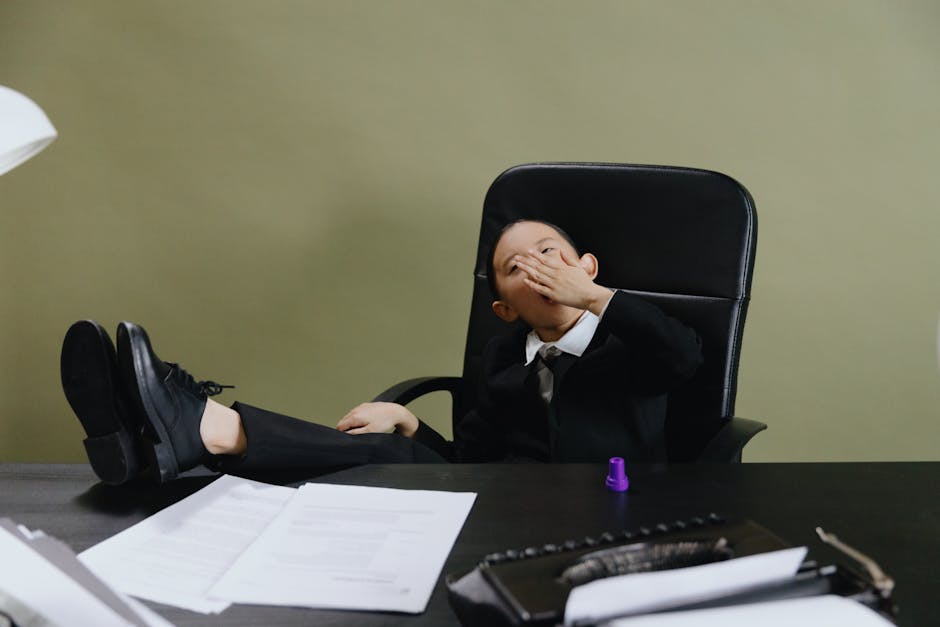
- Recognize the warning signs of a drunk boss at work, including slurred speech, erratic behavior, and missed deadlines.
- If you’re uncomfortable around a drunk boss, prioritize your own well-being and seek support from HR or a trusted colleague.
- Drinking on the job can lead to decreased productivity, missed opportunities, and compromised decision-making.
- Encourage your boss to seek help if you notice a pattern of excessive drinking, impacting their work performance and relationships.
- If you’re the boss and struggling with addiction, consider taking a leave of absence or seeking professional help to protect yourself and your team.
It was supposed to be a celebration—the kind of evening meant to foster camaraderie, where employees traded stories over catered hors d’oeuvres and managers loosened their ties, both literally and figuratively. But by 8:30 p.m., the mood had shifted. The vice president of operations, a man known for his sharp suits and sharper tongue, was slurring his words near the punch bowl, refilling his glass not with punch but with something amber and pungent. When a junior analyst attempted to steer him away, he laughed too loudly, slapped the young employee on the back, and announced, ‘Relax, we’re all adults here!’ Then, with unfocused eyes, he added, ‘My kid says I work too hard and drink too much. But hey, he’s seven. What does he know?’ The room stiffened. Someone quietly moved the whiskey bottle.
The Incident That Sparked a Crisis

What unfolded that night at the annual company mixer has since rippled through departments, sparking hushed conversations in break rooms and tense exchanges in private messages. The vice president in question—let’s call him Mark—has long been a high performer, credited with turning around a failing regional division. But his drinking, once discreet, has grown harder to overlook. Colleagues have noted unfinished reports, missed morning meetings, and increasingly erratic behavior after lunch. The company party was the tipping point. One employee, who submitted an anonymous note to HR two days later, described feeling ‘uncomfortable, unsafe, and professionally compromised.’ Internal sources confirm that HR has opened a confidential review, though no formal disciplinary action has been taken. The incident raises urgent questions about accountability, mental health, and the unspoken hierarchies that protect top performers even as their conduct deteriorates.
When Performance Shields Behavior

This is not a new phenomenon. For decades, workplaces—particularly in high-pressure industries like finance, law, and tech—have tolerated or even quietly enabled substance use among leaders who deliver results. A 2019 study published in the Journal of Occupational and Environmental Medicine found that executives report higher rates of alcohol consumption than the general population, often citing stress, long hours, and workplace culture as contributing factors. In many cases, companies turn a blind eye until a crisis occurs. The normalization of drinking in corporate settings—from after-work drinks to client dinners centered around wine pairings—further blurs the line between social use and dependency. When a leader crosses that line, the consequences are rarely contained. Teams suffer from inconsistent leadership, decision-making falters, and morale dips. Yet, the fear of losing a ‘revenue driver’ often outweighs concerns about culture or ethics, creating a dangerous precedent.
The People Caught in the Middle

Employees now find themselves navigating a minefield. Some sympathize with Mark, recognizing the immense pressure he’s under and the lack of institutional support for mental health. Others feel betrayed, arguing that no one should have to compromise their well-being for the sake of a manager’s coping mechanism. HR personnel are equally strained, caught between confidentiality obligations and the duty to maintain a safe workplace. Meanwhile, Mark remains unaware—or unwilling to acknowledge—the extent of the damage. Those close to him say he views drinking as a ‘personal matter,’ a private release valve, not a professional liability. But as one senior manager confided, ‘Leadership isn’t just about results. It’s about setting the tone. When the tone is slurred, everyone hears it.’
Consequences Beyond the Office

The stakes extend far beyond one company’s internal dynamics. If Mark’s behavior goes unaddressed, it risks normalizing a culture where substance misuse is excused at the top, sending a message that accountability is negotiable for high performers. Clients may lose trust. Top talent may leave. And younger employees, already navigating precarious career paths, may internalize the idea that burnout and self-medication are simply part of success. There are also legal implications: if an employee were to be harmed—physically or emotionally—due to impaired judgment, the company could face liability. Moreover, ignoring such issues contradicts growing corporate commitments to psychological safety and diversity, equity, and inclusion, which require consistent standards for all, regardless of rank.
The Bigger Picture
This case reflects a broader tension in modern work culture: the clash between performance metrics and human sustainability. In an era when burnout is epidemic and mental health is finally being prioritized, organizations must confront the uncomfortable truth that success should not come at the cost of well-being—no matter the title. The silence that often surrounds executive addiction is not loyalty; it’s complicity. True leadership means creating environments where people can seek help without fear of stigma or reprisal. It means building systems that value resilience over recklessness.
What happens next at this company will set a precedent. Will HR intervene with support, not just discipline? Will Mark be offered a path to recovery, or pushed out quietly to protect the brand? The answers will signal whether this organization sees its people as assets to be preserved or obstacles to be managed. In the end, a child’s innocent observation—’You work too hard and drink too much’—might be the clearest performance review any leader could receive.
Source: The New York Times