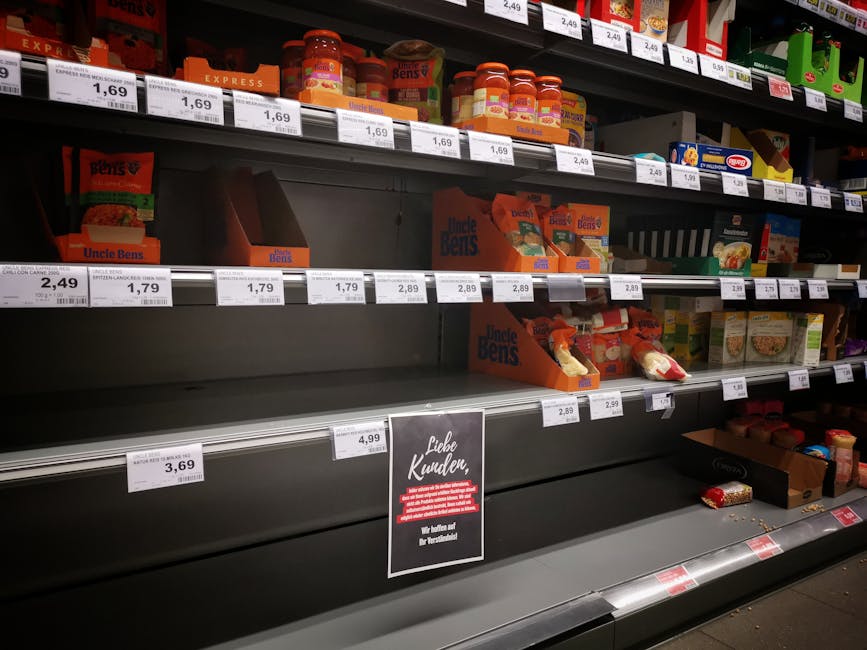
- 1 in 3 Cotswolds villages lack access to basic groceries, leaving residents struggling with food insecurity.
- Low-income families, the elderly, and those without cars are disproportionately affected by rural food deserts in the Cotswolds.
- Decades of declining public transport, supermarket consolidation, and policy neglect have contributed to this crisis.
- The region’s affluence and natural beauty conceal widespread food insecurity, highlighting a stark contrast between privilege and poverty.
- A 2026 study found 31% of Cotswolds villages qualify as food deserts, defined by limited access to fresh produce and staple goods.
Deep in the heart of England’s most picturesque countryside, a quiet crisis unfolds behind stone walls and blooming gardens. The Cotswolds, often celebrated for its wealth, heritage, and bucolic charm, is increasingly home to rural food deserts where low-income families struggle to access affordable, nutritious food. Despite the region’s affluence, decades of declining public transport, supermarket consolidation, and policy neglect have left isolated communities with few options beyond overpriced convenience stores or long, costly trips to distant supermarkets. This hidden hunger reveals a stark contradiction: a landscape of beauty and privilege concealing widespread food insecurity among the working poor, elderly, and those without cars.
Mapping the Hidden Hunger

A 2026 study by the University of Exeter and the Food Foundation found that 31% of villages in the Cotswolds—classified as a moderately affluent rural region—qualify as food deserts, defined by Public Health England as areas where at least 500 residents or 33% of the population live more than one mile from a food retailer offering fresh produce, dairy, and staple goods. In Kempsford, a village of 800 people straddling the Thames, the nearest full-service supermarket is 7.4 miles away in Cirencester, accessible only by car or an infrequent, unreliable bus service. Data shows that 42% of households in such villages do not own a vehicle, and among them, 68% reported skipping meals or relying on processed foods due to access issues. The study further revealed that food prices in local convenience stores are on average 28% higher than in supermarkets, disproportionately impacting pensioners and benefit-dependent families. These figures align with national trends: the Office for National Statistics reported in 2025 that rural food insecurity rates had risen to 14.3%, surpassing urban levels for the first time in a decade.
Key Players and Policy Gaps

The erosion of rural food access stems from a constellation of actors and systemic failures. Major supermarket chains—Tesco, Sainsbury’s, and Asda—have closed or scaled back smaller outlets in low-density areas, citing low profitability. Between 2015 and 2025, over 1,200 rural food retail points closed across England, with the Cotswolds losing 27 small grocers and post office shops that once offered basic supplies. Local councils, constrained by budget cuts, have reduced subsidized transport services, including community minibus routes that once linked villages to market towns. Meanwhile, charitable organizations like the Kempsford Community Larder and the Cotswold Food Justice Network have stepped in, offering pop-up markets and food parcels, but operate on shoestring budgets. Gloucestershire County Council recently launched a pilot ‘Food Access Fund’, allocating £300,000 to support mobile markets and digital voucher programs, but critics argue the initiative is too narrow and underfunded to match the scale of need.
Trade-Offs of Rural Living

The rural idyll comes with steep, often invisible trade-offs. While homes in the Cotswolds may offer space and tranquility, they also entail high transport costs, energy bills, and limited access to essential services. For instance, a return trip to Cirencester by taxi costs around £40, consuming nearly a day’s income for someone on universal credit. Car ownership, while a practical necessity, brings additional financial burdens: insurance, fuel, and maintenance. Conversely, those without cars face social isolation and health risks; Public Health England links poor food access to higher rates of obesity, diabetes, and mental health issues in rural areas. On the other hand, community-led initiatives—such as volunteer-run shopping services and cooperative food hubs—demonstrate resilience and potential, but remain fragmented and dependent on goodwill. The broader economic shift toward remote work has brought some new residents with higher incomes, yet this influx often drives up housing costs without expanding infrastructure, further marginalizing long-term residents.
Why the Crisis Is Emerging Now

The food desert problem in affluent rural areas like the Cotswolds has intensified over the past decade due to converging pressures. The collapse of rural transport networks accelerated after 2010 due to austerity-driven cuts, leaving many villages stranded. Simultaneously, the rise of online grocery delivery—dominated by algorithms that prioritize densely populated areas—has bypassed remote locations, with major retailers deeming deliveries to small villages unprofitable. Inflation following the 2022–2024 cost-of-living crisis further strained household budgets, making even modest price premiums at convenience stores unsustainable. Crucially, policy frameworks have long treated food insecurity as an urban issue, ignoring rural vulnerability. The 2023 National Food Strategy review acknowledged this gap, but implementation has lagged. As a result, what was once a manageable inconvenience has become a systemic failure.
Where We Go From Here
Over the next 12 months, three scenarios could unfold. First, a ‘business as usual’ path in which food insecurity worsens as more shops close and transport services dwindle, leading to increased reliance on food banks and worsening public health outcomes. Second, a ‘community resilience’ model could emerge, where local cooperatives, supported by modest government grants and digital platforms, expand mobile markets and bulk-buying clubs—similar to successful models in Devon and Wales. Third, a ‘policy intervention’ scenario would see national recognition of rural food deserts, triggering dedicated funding for rural logistics, subsidized transport, and incentives for small retailers. The latter would require redefining food access metrics to include mobility and affordability, not just proximity.
Bottom line — without targeted intervention, the Cotswolds’ image of prosperity will continue to obscure a deepening crisis of hunger and inequality in its most isolated communities.
Source: The Guardian