- West Ham’s stadium lease agreement includes a £2.5 million financial obligation for London taxpayers if the club is relegated.
- A controversial clause in the 2016 deal governs the club’s tenancy at the London Stadium, originally built for the 2012 Olympics.
- Projected matchday revenues would fall sharply if West Ham loses top-flight status, triggering a public-sector guarantee to cover the shortfall.
- The stadium deal has reignited debate about the use of public funds to subsidize private football clubs.
- West Ham’s global ownership and significant commercial backing have raised questions about the need for public subsidies.
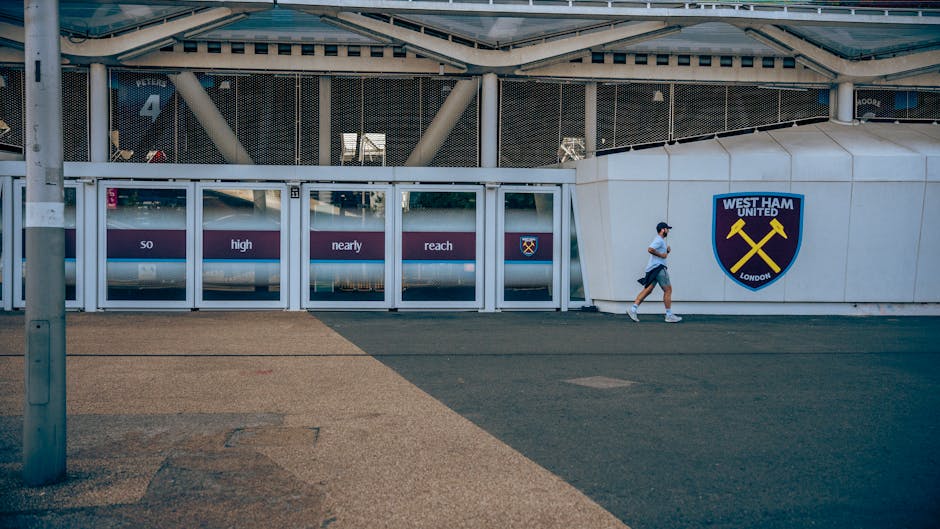
London taxpayers could face an unexpected £2.5 million bill if West Ham United are relegated from the Premier League, according to a detailed analysis of the club’s stadium lease agreement. The financial obligation stems from a controversial clause in the 2016 deal that governs the club’s tenancy at the London Stadium, originally built for the 2012 Olympics. If West Ham lose top-flight status, projected matchday revenues would fall sharply, triggering a public-sector guarantee to cover the shortfall. This arrangement, designed to secure the club’s move to the 60,000-seat arena, has reignited debate about the use of public funds to subsidize private football clubs, especially one with significant commercial backing and global ownership.
Stadium Deal Under Scrutiny

The current controversy traces back to the post-Olympics transformation of the Olympic Stadium into a football venue, a project championed by then-Prime Minister David Cameron and Mayor Boris Johnson. The goal was to repurpose a white elephant into a lasting sporting legacy. West Ham secured a 99-year lease in 2016, but the terms—negotiated behind closed doors—include a revenue guarantee mechanism that protects the stadium operator, E20 Stadium LLP, from drops in matchday income. This entity, controlled by Newham Council and the London Legacy Development Corporation, is publicly backed. If relegation reduces gate receipts, broadcasting income, and hospitality sales—key revenue streams tied to Premier League status—the public purse may be tapped to maintain financial stability at the venue. Critics argue that the clause was a risky concession that privatizes gains while socializing losses.
The Mechanics of the Relegation Clause

Under the lease agreement, West Ham pays a base rent plus a percentage of matchday revenue, which varies with league position. Relegation to the Championship would slash matchday income by an estimated 40–50%, primarily due to lower ticket demand, reduced broadcast payouts, and fewer premium hospitality sales. The financial safeguard in the contract ensures that E20 Stadium LLP does not suffer from this drop, but it does not place the burden solely on the club. Instead, a complex formula activates public support if income falls below a certain threshold. While exact calculations remain confidential, Freedom of Information requests and independent audits suggest the potential public liability could reach £2.5 million annually during a relegation stint. This revelation has drawn sharp criticism from transparency advocates and local residents, many of whom see it as an unfair burden on communities already strained by austerity measures.
Why This Matters Now

The issue has gained urgency as West Ham has struggled in recent Premier League seasons, flirting with the relegation zone amid managerial changes and inconsistent performances. The 2023–24 campaign saw the club narrowly avoid the drop, but financial analysts warn that another poor season could make relegation likely. More troubling, the club’s ownership, led by Czech billionaire Daniel Kretinsky, has not publicly committed to covering any potential shortfalls. While the club generates over £150 million annually in revenue, including commercial and broadcasting income, it has not confirmed whether it would absorb the full cost of relegation. This lack of clarity has left local authorities and watchdogs concerned about fiscal exposure. The situation also highlights a broader trend in English football, where public infrastructure supports private clubs without adequate risk-sharing mechanisms.
Implications for Public Finances and Football

If West Ham are relegated and the £2.5 million public subsidy is activated, the burden would fall on Newham Council and, by extension, London taxpayers. This could divert funds from essential services like education, housing, and social care. The precedent sets a worrying tone for future stadium deals, potentially encouraging other clubs to seek similar public guarantees. Moreover, it undermines public trust in how taxpayer money is used to support elite sports. While the London Stadium has brought economic activity to Stratford, including jobs and tourism, the benefits are unevenly distributed. Meanwhile, the Premier League continues to grow in global value—worth over £7 billion annually—while lower-tier clubs and public institutions shoulder increasing risks. The West Ham case exemplifies the growing imbalance between commercial football and civic responsibility.
Expert Perspectives
Economists and sports governance experts are divided on the fairness of the arrangement. Professor Simon Chadwick of the University of Surrey calls it a “classic case of moral hazard,” where private entities take risks knowing the public will cover losses. He argues for greater transparency and reform in stadium financing. Conversely, some urban development scholars, like Dr. Pete Fussey at Essex University, acknowledge the deal’s flaws but stress the stadium’s role in regenerating East London. “Yes, there are risks, but the alternative—leaving the stadium underused—was deemed worse at the time,” he notes. Still, most agree that such agreements must include stronger accountability and clawback provisions to protect public interests.
Looking ahead, scrutiny of West Ham’s financial obligations will intensify if relegation looms. Parliamentary questions have already been raised, and campaign groups like London Citizens are calling for a public inquiry into the lease terms. The Premier League may also face pressure to regulate club-stadium deals that involve public funding. As football’s financial ecosystem grows more complex, the West Ham case could become a landmark example of why public oversight is essential. The key question remains: should taxpayers bear the cost of a football club’s sporting failure?
Source: BBC