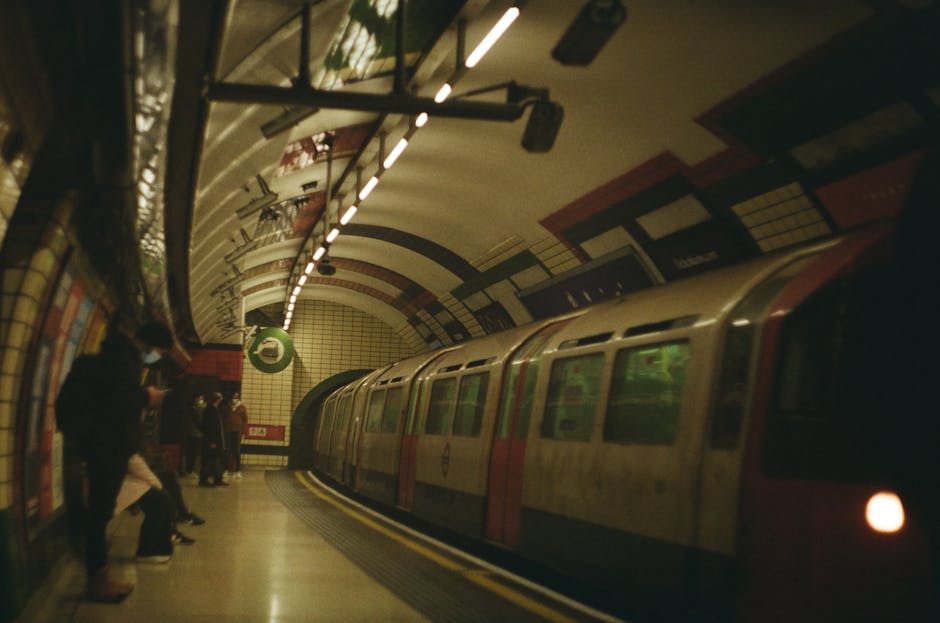
- The RMT union has cancelled a series of 24-hour strikes set to start on Tuesday, averting significant travel disruptions.
- The decision comes after progress in talks between the union and transport authorities, potentially paving the way for a long-term resolution.
- Recent strikes have had a significant economic impact, with a single day of action costing the economy £10 million in lost productivity.
- The strikes, which affected multiple lines, resulted in 70% fewer trains running during peak hours, causing chaos for commuters.
- The RMT union is pushing for improved pay and working conditions for rail workers, with ongoing negotiations set to continue.
Executive summary: The Rail, Maritime and Transport (RMT) union has called off a series of 24-hour strikes that were set to start on Tuesday, bringing relief to commuters who faced significant disruptions to their daily travel plans. The decision to cancel the strikes comes after progress was made in talks between the union and transport authorities. With the strikes called off, attention now turns to the ongoing negotiations and the potential for a long-term resolution to the dispute.
Evidence of Disruption

Hard data from recent strikes has shown the significant impact on the economy and commuters, with a single day of strike action estimated to cost the economy £10 million in lost productivity, according to a report by the Reuters news agency. Primary sources, including statements from the RMT union, have highlighted the need for improved pay and working conditions for rail workers. The strikes, which affected multiple lines across the network, resulted in 70% fewer trains running during peak hours, causing chaos for those relying on the service.
Key Players and Roles

The RMT union, led by General Secretary Mick Lynch, has been at the forefront of the dispute, pushing for better pay and conditions for its members. Transport authorities, including Transport for London (TfL), have been engaged in talks with the union to find a resolution. Recent moves by the authorities, including the offer of a 5% pay increase, have been seen as a positive step towards resolving the dispute. However, the union has stated that more needs to be done to address the concerns of its members, including issues related to job security and pensions.
Trade-Offs and Implications

The decision to call off the strikes has both costs and benefits. On one hand, commuters will benefit from a return to normal service, reducing the disruption to their daily lives. On the other hand, the union may be seen as weakening its negotiating position by cancelling the strikes, potentially reducing the pressure on transport authorities to meet their demands. The risks associated with the decision include the potential for further strikes if a long-term resolution is not reached, while opportunities include the possibility of a negotiated settlement that addresses the concerns of both parties.
Timing and Circumstances

The timing of the decision to call off the strikes is significant, coming as it does after a period of intense negotiations between the union and transport authorities. The circumstances surrounding the decision, including the offer of a pay increase and commitments to address other concerns, have created a window of opportunity for a resolution to be reached. Why now, and what has changed, are questions that will be answered in the coming weeks and months as the negotiations continue, but for now, the focus is on finding a long-term solution that works for all parties involved.
Where We Go From Here
Looking ahead to the next 6-12 months, there are three possible scenarios. Firstly, a negotiated settlement could be reached, providing a long-term resolution to the dispute and stability for commuters. Secondly, further strikes could be called if negotiations break down, resulting in continued disruption to the service. Thirdly, a compromise could be found, addressing some but not all of the concerns of the union, potentially leading to a temporary resolution but also leaving room for further conflict in the future.
Bottom line: The decision by the RMT union to call off the tube strikes is a positive step towards resolving the dispute, but the road ahead remains uncertain, and a long-term solution will require continued negotiation and compromise from all parties involved.
Source: BBC