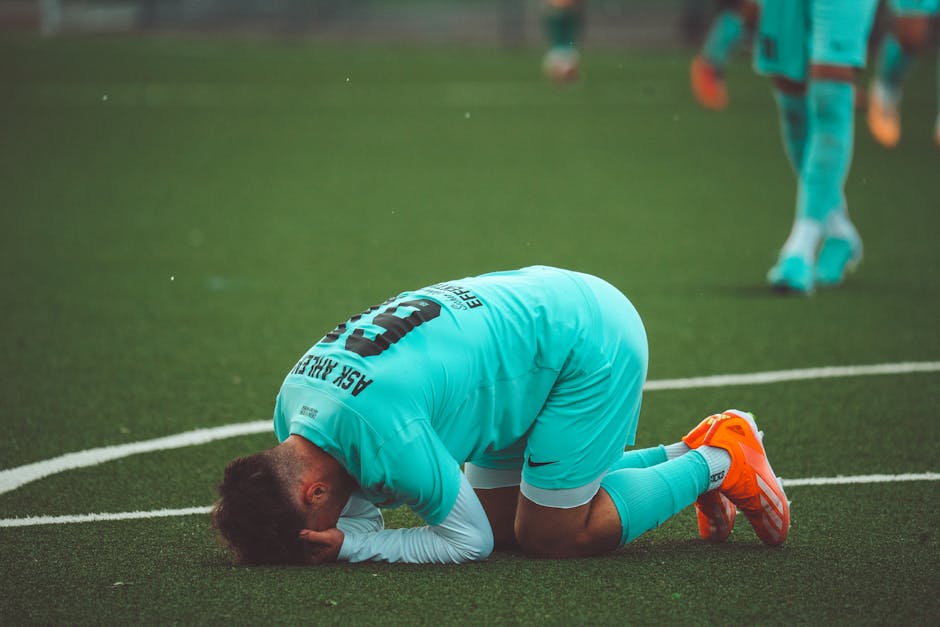
- Rangers finished third in the Scottish Premiership, their lowest finish in over a decade, due to inconsistent performances and defensive fragility.
- The club’s chairman has committed to a sweeping squad revamp, despite maintaining faith in head coach Danny Rohl.
- Key players like James Tavernier and Connor Goldson are entering the final year of their contracts, prompting a need for decisive action.
- Financial stability and UEFA competition qualification remain intact, but fan expectations demand more than mid-table consolidation.
- The board recognizes the need to overhaul the squad due to underperforming summer signings and a lack of cutting edge in attack.
Rangers finished the Scottish Premiership season in third place—18 points behind champions Celtic and five behind rivals Aberdeen—marking their lowest league finish in over a decade. Despite the underwhelming campaign, chairman Andrew Cavenagh has committed to a sweeping squad revamp while maintaining faith in head coach Danny Rohl. The 4-2 defeat to Hearts in May, which mathematically confirmed their position, sparked intense scrutiny, but Cavenagh insists the club is on the brink of a strategic reset. With key players like James Tavernier and Connor Goldson entering the final year of their contracts, and several underperforming summer signings failing to deliver, the board recognizes the need for decisive action. Financial stability and UEFA competition qualification remain intact, but fan expectations at Ibrox demand more than mid-table consolidation.
Squad Underperformance Sparks Leadership Response

The decision to overhaul the squad stems from a season marred by inconsistent performances, defensive fragility, and a lack of cutting edge in attack. Despite significant investment in the transfer market, including the £8 million acquisition of winger Zeki Amdouni, the team failed to gel under previous manager Philippe Clement, who was dismissed in February. The interim appointment of Danny Rohl, initially seen as a stopgap, yielded a modest upturn in form, including a 3-1 victory over Celtic in the Scottish Cup. The board was impressed by Rohl’s tactical flexibility and player engagement, leading to the decision to appoint him permanently. With European football secured via third place, Rangers can fund targeted signings while restructuring their backroom and scouting operations to align with a long-term vision.
Danny Rohl’s Retention and Strategic Reinforcements

Danny Rohl, the 34-year-old German coach who previously managed Sheffield Wednesday and RB Leipzig’s youth teams, has been handed a three-year contract to lead Rangers’ revival. His modern approach, emphasis on high pressing, and ability to develop young talent won over the board during his interim tenure. Rohl has already begun working with the recruitment team to identify players who fit his preferred 4-2-3-1 system, with priorities including a creative number 10, a mobile center forward, and a ball-playing central defender. Sources within the club indicate that at least six first-team players are likely to depart, either through transfer or contract non-renewal. The club is also exploring loan recalls and potential co-ownership deals with European clubs to inject fresh energy. BBC Sport reported that Rangers are monitoring several Championship-level performers as cost-effective options.
Analysis: Balancing Tradition and Modern Football Demands

Rangers’ challenges reflect broader tensions in Scottish football: maintaining historical stature while adapting to modern tactical and financial realities. Unlike Celtic, which has embraced a data-driven recruitment model and established global scouting networks, Rangers have relied heavily on free transfers and aging veterans. This strategy yielded short-term savings but compromised squad depth and athleticism. According to The Guardian, the club’s analytics department was underfunded until last year, leaving recruitment decisions vulnerable to subjective assessments. Cavenagh’s revamp includes hiring a new sporting director and upgrading performance infrastructure. The broader context—rising costs, tighter UEFA Financial Fair Play scrutiny, and increased competition from Aberdeen and Hearts—means that even modest missteps can derail title aspirations.
Implications for Players, Fans, and Scottish Football

The squad overhaul will directly impact senior players, particularly those over 30 who may not fit Rohl’s high-intensity model. Supporters’ groups have welcomed the change, expressing frustration with the lack of ambition in recent seasons. For Scottish football, Rangers’ revitalization could reinvigorate the title race and raise broadcast appeal. A competitive Rangers-Celtic rivalry benefits the entire league, potentially attracting international investors and broadcasters. Furthermore, success in European competitions could enhance Scotland’s UEFA coefficient, improving future seeding. However, mismanagement risks prolonging the club’s decline, weakening the domestic product and damaging its global brand. The next transfer window will be a critical barometer of intent.
Expert Perspectives
Football analysts are divided on Rohl’s appointment. Graeme Souness, former Rangers player and manager, told Sky Sports he supports stability but warns against “over-reliance on youth when results matter.” In contrast, BBC pundit Gemma Fay praised the move, stating, “Rohl represents a new generation of coaches who blend emotion with data—exactly what Scottish clubs need.” Some scouts argue that Rangers must balance immediate competitiveness with long-term development, especially with European qualifiers looming. The consensus, however, is that decisive recruitment and clear tactical identity will determine whether the revamp succeeds or stalls.
Looking ahead, the summer transfer window will test Rangers’ ability to execute their vision. Key targets, contract negotiations, and pre-season performance will all shape perceptions of progress. The ultimate benchmark remains clear: closing the gap on Celtic and reclaiming the Premiership crown. With Cavenagh’s commitment and Rohl’s modern approach, Rangers aim not just to return to contention—but to redefine their place in Scottish football’s future.
Source: Sky Sports