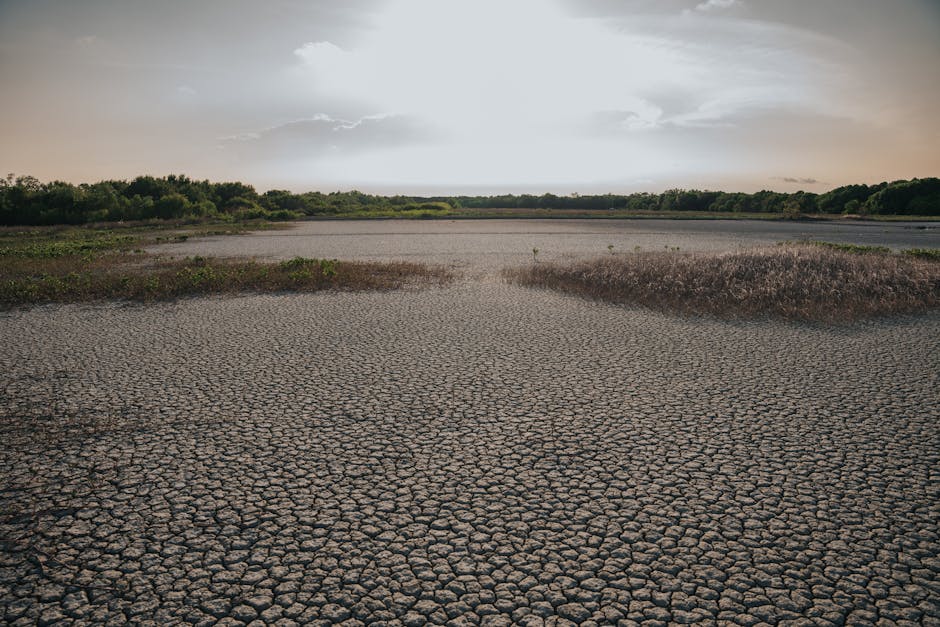
- A record-breaking heatwave in North America is caused by a massive high-pressure ridge, or ‘heat dome,’ trapping hot air and suppressing cloud formation.
- Siberia’s early snow and eastern China’s hailstorms are symptoms of a climate system under strain, with extreme weather becoming more frequent and intense.
- The simultaneity and intensity of these events suggest systemic changes in global weather patterns, pointing to a decisive tilt toward climate change.
- Seasonal extremes have always occurred, but research shows that heat domes are becoming more persistent and intense due to Arctic amplification.
- The planet is shifting into a new era of atmospheric volatility, with climate change influencing these extreme weather patterns.
What explains the bizarre simultaneity of furnace-like heat in North America, snowstorms in Siberia, and hail the size of eggs in China? This week alone, temperatures in Death Valley’s Furnace Creek soared to 128°F (53.3°C), tying a 2020 record, while Siberia — already enduring one of its warmest years on record — was blanketed in early snow. Meanwhile, Choluteca, Honduras, logged 42.2°C (107.9°F), breaking its own national May heat record just days after setting it. In eastern China, thunderstorms dropped hailstones up to three inches wide, damaging homes and injuring residents. These events, occurring within days of each other across continents, are not random anomalies but symptoms of a climate system under strain. As extreme weather becomes more frequent and intense, the question is no longer if climate change is influencing these patterns, but how quickly the planet is shifting into a new era of atmospheric volatility.
Is This Just Seasonal Weather or a Climate Signal?

The answer is both — but with a decisive tilt toward climate change. While seasonal extremes have always occurred, the synchronization and intensity of current events point to systemic changes in global weather patterns. The heatwave gripping North America is driven by a massive high-pressure ridge, often called a ‘heat dome,’ which traps hot air and suppresses cloud formation. These domes are not new, but research shows they’re becoming more persistent and intense due to Arctic amplification — the phenomenon where the poles warm faster than the equator, weakening the jet stream. A wavier, slower jet stream allows weather systems to stall, prolonging heatwaves, cold snaps, and storms. Meanwhile, Siberia’s unexpected snowfall in May — rare but not unprecedented — reflects the region’s volatile transition from winter to summer, now destabilized by long-term warming trends. The World Meteorological Organization (WMO) has confirmed that 2023 was the warmest year on record, and 2024 is tracking even higher, creating conditions ripe for such extremes.
What Do the Records and Data Show?

Data from the U.S. National Weather Service show that Furnace Creek in Death Valley has now recorded temperatures at or above 128°F four times since 2020 — more than in the previous century combined. Satellite analysis from NASA reveals that sea surface temperatures in the Gulf of Mexico and the Atlantic are running 1–2°C above average, fueling stronger convection and extreme rainfall events. In Honduras, the national meteorological agency confirmed that Choluteca’s 42.2°C reading on May 13 was the highest ever recorded in the country during May, surpassing the previous day’s 42.1°C. In China, state media reported that the city of Shaoyang in Hunan province was pummeled by hailstones weighing up to 150 grams, with videos showing shattered car windows and collapsed greenhouses. According to Reuters, at least three people were hospitalized. Scientists at the Pacific Northwest National Laboratory have linked such severe convective storms to increased atmospheric moisture — a direct consequence of warmer global temperatures — which supercharges thunderstorms and increases hail potential.
Are There Skeptics or Alternative Explanations?

While the scientific consensus strongly supports climate change as a driver of extreme weather, some meteorologists caution against attributing individual events solely to global warming. They argue that natural variability — such as El Niño, which ended in spring 2024 — plays a significant role in short-term weather extremes. For instance, El Niño contributed to warmer ocean temperatures in the Pacific, influencing weather patterns across the Americas and Asia. Additionally, urban heat island effects can exaggerate temperature readings in cities like Choluteca, where concrete and reduced vegetation amplify heat retention. Some researchers also note that while heatwaves are increasing, cold extremes haven’t disappeared; Siberia’s snowfall, though unusual, fits within historical variability when viewed over decades. However, even skeptics concede that the frequency and co-occurrence of these extremes are pushing the boundaries of natural cycles, suggesting that climate change is loading the dice in favor of more volatile outcomes.
What Are the Real-World Impacts of These Extremes?

The human and economic toll is already mounting. In Central America, the heatwave has triggered public health warnings, with hospitals in Honduras reporting spikes in heat-related illnesses. Agricultural output is at risk, as maize and bean crops — staples in the region — suffer under prolonged heat. In California, authorities issued flex alerts, urging residents to reduce electricity use as cooling demand strained the grid. Meanwhile, Siberia’s early snow disrupted transportation and delayed spring planting, affecting food security in remote communities. In China, the hailstorm caused millions in damages to infrastructure and agriculture, underscoring the vulnerability of densely populated areas to sudden weather shocks. These events also strain emergency response systems and highlight the need for climate-resilient infrastructure. As the planet warms, such cascading impacts — from health to food to energy — will become more common, particularly in regions with limited adaptive capacity.
What This Means For You
You may not live in Death Valley or Siberia, but the instability of the global climate system affects everyone. More intense heatwaves, erratic storms, and unpredictable seasons mean higher risks to health, food, and infrastructure, even in temperate zones. Insurance costs, food prices, and energy reliability are all likely to be impacted as extreme weather becomes the norm. Preparing for this reality means supporting climate adaptation policies, reducing personal carbon footprints, and staying informed about local weather risks. The planet’s weather is no longer following the old rules — and our responses must evolve accordingly.
As scientists continue to study the links between climate change and atmospheric extremes, one question remains urgent: how soon will global policy catch up with the pace of environmental change? With records being broken in weeks, not decades, the window for meaningful action is narrowing — and the weather won’t wait.
Source: The Guardian