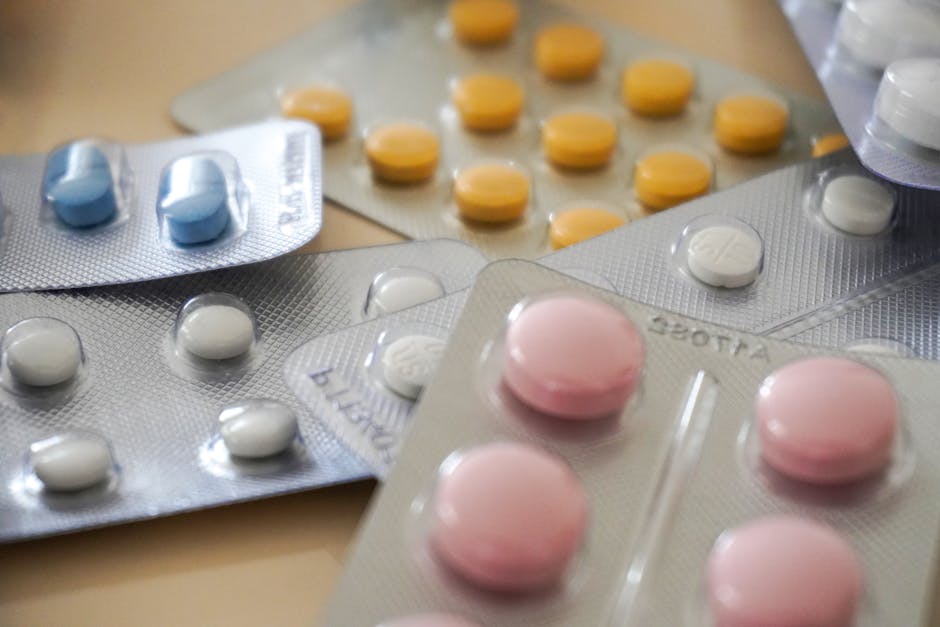
- Misuse of antibiotics at home accelerates the development of resistant bacteria, threatening global health.
- Incomplete dosing, sharing prescriptions, and using leftover antibiotics can expose bacteria to sublethal antibiotic levels.
- Improper storage of antibiotics, such as in humid bathrooms, can degrade their potency and reduce effectiveness.
- Household misuse of antibiotics accounts for up to 30% of inappropriate use, a significant contributor to the crisis.
- Experts warn that the misuse of antibiotics is undermining their power to treat infections, rendering them useless.
Could your medicine cabinet be fueling the rise of untreatable infections? As antibiotic resistance claims over 1.2 million lives annually, scientists are turning not just to hospitals or farms—but to households—to find solutions. A recent analysis published in Nature argues that the misuse of antibiotics in homes is a major, underappreciated driver of this global crisis. With superbugs evolving faster than new drugs can be developed, experts are revisiting microbiologist Alexander Fleming’s 1945 warning: improper use of penicillin could render it useless. Eight decades later, that prophecy is unfolding in living rooms and kitchens worldwide.
Is Home Use of Antibiotics Undermining Their Power?

Yes—when antibiotics are used incorrectly at home, they accelerate the development of resistant bacteria. The Nature study highlights that incomplete dosing, sharing prescriptions, and using leftover antibiotics for self-diagnosed illnesses are common practices that expose bacteria to sublethal antibiotic levels, giving them a chance to adapt and survive. This selective pressure is a core mechanism of resistance. Even storing antibiotics improperly—such as in humid bathrooms—can degrade their potency, further reducing effectiveness. The research emphasizes that while hospitals and agriculture are significant contributors, household misuse accounts for up to 30% of inappropriate antibiotic use globally, according to the World Health Organization. Without addressing behavior at the individual level, broader containment strategies may fall short.
What Evidence Links Home Practices to Resistance?

Data from multiple continents now confirms a direct correlation between household antibiotic practices and rising resistance. A 2025 meta-analysis of 42 studies across 18 countries found that 36% of participants admitted to saving unused antibiotics for future use, while 22% reported sharing them with family members. In rural India and parts of Southeast Asia, over-the-counter antibiotic access without prescriptions remains widespread, compounding the risk. Public health researchers cite a case in Thailand where children treated at home with incomplete amoxicillin courses led to a local spike in resistant Streptococcus pneumoniae. Meanwhile, improper food handling—such as rinsing meat treated with antibiotics or cross-contaminating surfaces—can spread resistant bacteria. The World Health Organization warns that resistant pathogens from food and home environments can enter the broader community through sewage, animals, and person-to-person contact.
Are There Other Factors More Important Than Home Use?

Some experts argue that focusing on home use risks oversimplifying a complex problem dominated by systemic issues. In hospitals, the overuse of broad-spectrum antibiotics and lapses in infection control contribute significantly to multidrug-resistant organisms like MRSA and CRE. Similarly, industrial livestock farming accounts for nearly 70% of global antibiotic use, often as growth promoters rather than for treating illness. Critics say that placing responsibility on individuals may divert attention and funding from regulatory reforms—such as banning non-therapeutic antibiotic use in animals or improving diagnostic tools in clinics. Additionally, in low-income regions, lack of access to antibiotics is as urgent a problem as resistance, raising ethical concerns about blanket messaging on reduced use. Still, the Nature paper contends that individual and systemic actions are not mutually exclusive—both must be addressed in parallel.
How Is This Resistance Affecting Real Communities?

The consequences are already tangible. In the UK, a 2024 outbreak of resistant Salmonella was traced to improper handling of imported poultry, leading to 12 hospitalizations and one death. Public health officials linked the strain’s resistance profile to prior antibiotic use in the supply chain and poor kitchen hygiene. In the U.S., the CDC reports that resistant urinary tract infections—often self-treated with leftover antibiotics—are now 30% more common than in 2015. Patients who delay proper care due to self-medication face longer recovery times and higher hospitalization rates. Meanwhile, in Sweden, a national campaign promoting “antibiotic hygiene” at home—similar to handwashing—has contributed to one of Europe’s lowest resistance rates, demonstrating that behavioral change is possible with consistent education and access to accurate information.
What This Means For You
Your actions at home directly influence the fight against superbugs. Always complete prescribed antibiotic courses, never share or reuse old prescriptions, and store medications properly. Practice safe food handling—wash hands, avoid cross-contamination, and cook meat thoroughly. Advocate for better labeling and public education in your community. Small changes can help preserve antibiotics for future generations.
But how can global health systems balance individual responsibility with urgent structural reforms in medicine and agriculture? As resistance continues to spread, the answer may lie not in choosing one approach over another, but in integrating both into a comprehensive, worldwide strategy.
Source: Nature