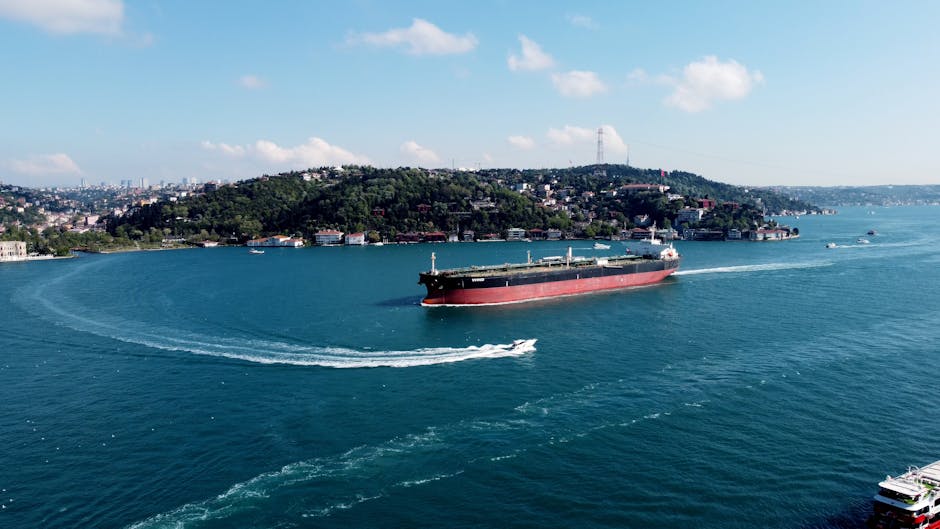
- Russia accidentally hit a Belarusian-flagged vessel in Ukrainian territorial waters, highlighting gaps in targeting protocols and coordination.
- The incident occurred during a Russian attack on Ukrainian coastal infrastructure and risks straining the already delicate alliance with Belarus.
- A Russian Shahed-136 drone, likely launched from Crimea, mistakenly struck the MV Gomel Trader approximately 14 nautical miles off Ukraine’s coast.
- The damaged vessel, a 73-meter bulk carrier, sustained damage consistent with a low-altitude explosive impact from an Iran-made loitering munition.
- The incident exposes critical gaps in Russian navigational awareness, even within its own operational sphere, and may have spillover effects on the conflict in Ukraine.
Executive summary — a Russian Shahed-136 drone, likely launched during a broader attack on Ukrainian coastal infrastructure, mistakenly struck a Belarusian-flagged commercial vessel operating in Ukrainian territorial waters near Odesa. Though no casualties were reported, the incident marks a rare case of Moscow inadvertently targeting its closest strategic ally, Belarus, amid the ongoing war in Ukraine. This event exposes critical gaps in Russian targeting protocols, navigational awareness, and coordination, even within its own operational sphere, and risks straining an already delicate alliance as Minsk weighs its continued exposure to the conflict’s spillover effects.
Drone Attack Data and Maritime Tracking Evidence

Satellite imagery and Automatic Identification System (AIS) data obtained from maritime monitoring firm Maritime Optima confirm that on March 18, 2024, a vessel registered under Belarusian ownership — the MV *Gomel Trader* — was struck approximately 14 nautical miles off Ukraine’s southwestern coast near the Danube Delta. The ship, a 73-meter bulk carrier primarily transporting grain and construction materials, sustained damage to its starboard superstructure consistent with a low-altitude explosive impact characteristic of Iran-made Shahed-136 loitering munitions. Ukrainian air defense logs, published by the Odesa Military Administration, recorded 12 Shahed-type drones launched from Russian positions in Crimea that evening, with seven intercepted and five reaching coastal zones. Open-source analysts at Oryx, which tracks military losses through visual evidence, verified drone debris recovered near the impact site matched components of the Shahed-136. While Russia has not acknowledged responsibility, the flight path reconstructions from the Conflict Intelligence Team suggest the drone deviated significantly northward from its intended route, likely due to GPS spoofing or navigational error common in the contested Black Sea environment.
Key Actors: Russia, Belarus, and Ukraine’s Naval Response

Russia’s continued use of Iranian-supplied drones in saturation attacks against Ukrainian ports reflects a strategy of economic attrition, but this incident implicates Moscow’s closest ally in unintended consequences. Belarus, though offering logistical support and basing for Russian forces, has maintained a nominal distance from direct combat involvement, with President Alexander Lukashenko repeatedly stressing the country’s non-belligerent status. The *Gomel Trader* is owned by a private Minsk-based logistics firm, BelTransAvto, with no known military ties. Following the strike, Belarusian Foreign Minister Sergei Aleinik summoned the Russian ambassador to Minsk for consultations, calling the event ‘unacceptable and requiring full explanation.’ In contrast, Ukraine’s military refrained from assigning blame, with Navy spokesperson Dmytro Pospelov noting, ‘All vessels in active war zones face risks, regardless of flag.’ Meanwhile, NATO maritime forces have increased monitoring in the western Black Sea, with a U.S. Navy P-8A Poseidon patrol aircraft observed conducting extended surveillance flights in the region post-incident.
Strategic Trade-Offs: Escalation Risks and Alliance Fragility

The strike introduces new risks into an already volatile regional calculus. For Russia, the use of low-cost drones like the Shahed-136 allows persistent pressure on Ukrainian infrastructure with minimal pilot risk, but the growing frequency of misfires and collateral damage undermines operational credibility. Hitting a friendly-flagged vessel — especially one from a politically sensitive ally — risks eroding trust in Moscow’s command and control capabilities. For Belarus, the incident exposes the dangers of proximity to Russia’s war effort without direct protective guarantees. While Lukashenko has tolerated Russian troop deployments, allowing such strikes to go unchallenged may embolden future accidents, potentially dragging Minsk into unintended escalations. Economically, the event could deter neutral carriers from using nearby routes, disrupting grain exports through the Danube corridor — a key alternative to the Black Sea Grain Initiative. Diplomatically, it offers Kyiv and Western allies narrative leverage, highlighting the indiscriminate nature of Russian attacks even toward allied interests.
Why This Incident Is Happening Now

The timing reflects a broader shift in Russia’s Black Sea campaign since the collapse of the grain deal in July 2023. With Ukrainian ports under persistent drone and missile assault, Russian forces have intensified attacks on port infrastructure to disrupt export capacity and strain global food markets. However, the increasing volume of drone launches — now averaging 20–30 per week — has led to a higher incidence of navigation failures, particularly as Ukraine and partner nations deploy advanced electronic warfare systems to spoof drone GPS signals. This incident also follows a pattern of regional miscalculation: in December 2023, a Russian missile struck a civilian warehouse in Moldova, and in February 2024, a Ukrainian drone reportedly hit a fuel depot near Bryansk, Russia. As both sides escalate asymmetric tactics, the margin for error narrows, and the likelihood of unintended strikes on third-party assets grows.
Where We Go From Here
Over the next six to twelve months, three scenarios are plausible. First, Belarus may issue formal protests but ultimately downplay the event to preserve its strategic alignment with Russia, especially if Moscow offers compensation or technical assurances. Second, Minsk could tighten restrictions on Russian military movements or delay joint exercises, signaling growing unease. Third, if similar incidents recur, especially involving cargo linked to Belarusian state interests, Lukashenko may reconsider hosting Russian forces altogether — a move that would significantly disrupt Moscow’s western flank logistics. Concurrently, Ukraine is likely to expand drone countermeasures and publicize such incidents to highlight Russian recklessness. NATO may also enhance maritime surveillance and issue stronger warnings about the risks of uncontrolled drone warfare in shared waters.
Bottom line — an errant Russian drone strike on a Belarusian vessel underscores the deteriorating precision of Moscow’s military operations and the growing fragility of its alliances, posing new risks for regional stability and the conduct of modern asymmetric warfare.
Source: Euromaidanpress