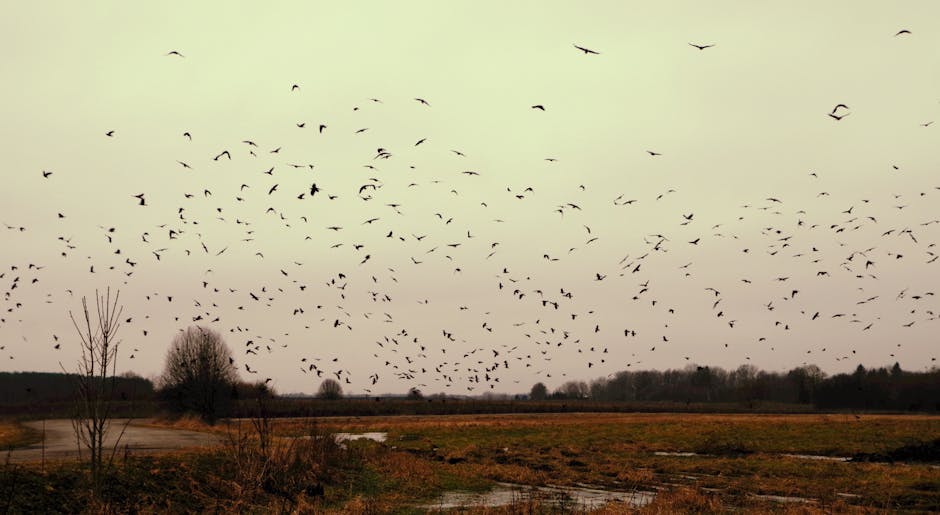
- Colombia’s rich bird diversity is a result of its unique geographic location and variety of ecosystems.
- A powerful digital tool, the Merlin Bird ID app, has made it easier for birders to identify species in Colombia.
- The app is transforming rural economies in Colombia by fostering sustainable nature tourism.
- Colombia has 1,970 confirmed bird species, the highest number of any country in the world.
- The country’s diverse ecosystems create ideal conditions for speciation, leading to its remarkable bird biodiversity.
What happens when a country with the richest bird diversity on Earth meets a powerful digital tool that puts ornithology in the palm of your hand? In Colombia, the answer is transforming rural economies and redefining nature tourism. With 1,970 confirmed bird species—more than any other nation—Colombia has long been a dream destination for serious birdwatchers. But until recently, accessing this biodiversity was limited by language barriers, sparse infrastructure, and the challenges of identifying rare species in dense jungle or high-altitude cloud forests. Now, thanks to the Merlin Bird ID app developed by the Cornell Lab of Ornithology, amateur and expert birders alike can identify birds by sight, sound, and location with unprecedented ease. Could a smartphone app be the catalyst for a new era of sustainable tourism in one of the planet’s most ecologically vibrant countries?
How Colombia Became the World’s Top Bird Destination

Colombia’s dominance in avian biodiversity stems from its extraordinary geographic diversity. Spanning the Andes Mountains, Amazon rainforest, Caribbean and Pacific coasts, and vast highland páramos, the country offers a mosaic of ecosystems in a relatively small area. This range creates ideal conditions for speciation, where isolated populations evolve into new species—a process accelerated by Colombia’s position as a biological bridge between North and South America. According to the International Union for Conservation of Nature (IUCN), Colombia hosts nearly 20% of the world’s bird species despite covering less than 1% of Earth’s land surface. Iconic species like the multicolored antpitta, the endangered blue-billed curassow, and the dazzling rainbow-bearded thornbill draw ornithologists and enthusiasts globally. The country’s post-conflict peace agreement in 2016 also opened previously inaccessible regions to scientific study and eco-tourism, further boosting its appeal.
The Role of Merlin in Democratizing Bird Identification

The Merlin Bird ID app, launched in 2014 and continually refined with machine learning, has become an indispensable tool for birders visiting Colombia. By uploading a photo or recording a bird’s call, users receive instant species suggestions based on location and time of year. The app now includes a customized Colombia mode, developed in partnership with local conservation groups like ProAves and the Colombian Birdwatching Network. This localized version features Spanish-language support, regional checklists, and alerts for rare sightings. A 2023 study published in Nature Ecology & Evolution found that Merlin users in Colombia reported 30% more species per trip compared to non-users, significantly enhancing the birdwatching experience. “Merlin levels the playing field,” says Dr. Laura González, an ornithologist at the University of Antioquia. “Now, a tourist from Germany doesn’t need a PhD to identify a rufous-fronted parakeet in the Sierra Nevada de Santa Marta.”
Challenges and Critiques of Tech-Driven Nature Tourism

Despite its benefits, the rise of app-powered birding tourism has drawn criticism from some conservationists and local communities. Critics argue that digital tools may encourage a checklist mentality, where visitors prioritize photographing as many species as possible over deeper ecological engagement. There are also concerns about data privacy and the commercialization of indigenous knowledge, especially when apps use vocalizations recorded in ancestral territories without proper consent. In some remote areas, the sudden influx of tourists has strained infrastructure and led to habitat disturbance near key birding hotspots like the Yotoco Forest Reserve. “Technology can’t replace local guides or traditional ecological knowledge,” warns Carlos Andrés Betancur, a community leader in the Andean town of Villa de Leyva. “If we’re not careful, we risk turning conservation into a digital commodity that benefits foreign companies more than local people.”
Real-World Impact on Local Economies and Conservation

Yet for many rural communities, avian tourism powered by tools like Merlin is a lifeline. In the town of Minca, near Santa Marta, former coca farmers have transitioned into birding guides, lodge operators, and eco-tourism entrepreneurs. Local cooperatives now offer birding tours that include stays in community-run ecolodges, meals with indigenous families, and guided hikes through cloud forests. According to Colombia’s Ministry of Commerce, Industry, and Tourism, birdwatching-related spending contributed over $120 million to the national economy in 2023—a 40% increase from five years prior. Moreover, the visibility provided by apps has helped spotlight endangered species and galvanized support for habitat protection. When users reported rare sightings of the endangered turquoise dacnis in the Magdalena Valley, for example, the data prompted the government to expand a nearby wildlife corridor.
What This Means For You
If you’re a traveler, birder, or advocate for sustainable development, Colombia’s story offers a powerful model: technology, when paired with local knowledge and ethical practices, can drive conservation and economic equity. Using tools like Merlin thoughtfully—by hiring local guides, respecting protected areas, and contributing to community initiatives—can turn a personal hobby into a force for good. For other biodiverse nations, the lesson is clear: digital innovation can amplify conservation efforts when it serves people and ecosystems, not just data collection.
Still, critical questions remain: How can app developers ensure equitable partnerships with indigenous communities? And can digital birding avoid becoming an extractive industry masked as ecotourism? As technology reshapes our relationship with nature, the answers will shape the future of conservation in the digital age.
Source: The New York Times