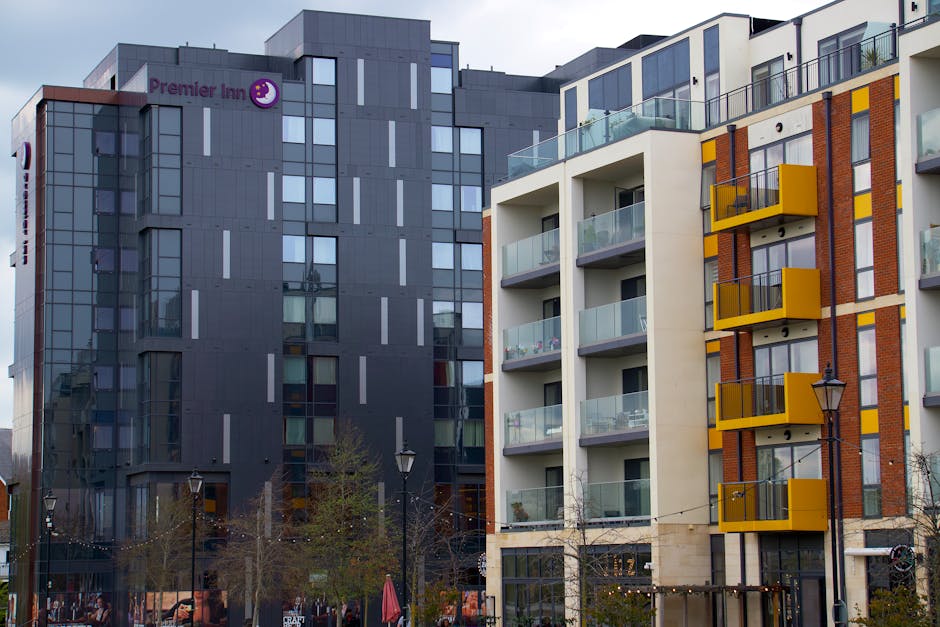
- The new First Minister of Wales, Rhun ap Iorwerth, spent election night at a Premier Inn hotel.
- He was locked out of his own home after leaving his keys inside.
- The incident occurred despite his party’s historic election victory.
- Rhun ap Iorwerth has pledged to prioritize affordable housing and renewable energy in his new role.
- The unexpected turn of events may have foreshadowed the challenges the new government will face.
It was meant to be a night of triumph, a symbolic turning of the page for Welsh politics. In the dim glow of a Cardiff hotel room, however, Rhun ap Iorwerth, newly declared First Minister of Wales, sat in quiet reflection—not in the ceremonial halls of Cardiff Bay or his official residence, but in a modest Premier Inn on the city’s northern outskirts. The air hummed with the soft whir of the air conditioner, the kind of sound that underscores solitude. Outside, the city pulsed with the residual energy of a political shift; inside, the man at the center of it all sipped tea from a plastic cup, still in his suit from the victory speech. His phone buzzed intermittently with messages of congratulations, but none could unlock the irony: the architect of a new dawn in Wales had been locked out of his own home.
Victory and an Unexpected Detour

Rhun ap Iorwerth, leader of Plaid Cymru, led his party to its most successful election result in decades, securing enough seats to form a coalition government with Labour and the Welsh Greens. His speech at the Senedd was a masterclass in optimism and unity, declaring “a new dawn for Wales” as he pledged to prioritize affordable housing, renewable energy, and the revitalization of the Welsh language. Yet hours later, the architect of this political renaissance found himself stranded. After the celebrations, he returned to his Cardiff residence only to realize he had left his keys inside. With no spare set available and no immediate way to gain entry, hotel accommodation became the only option. Premier Inn Cardiff North, a no-frills establishment near the A470, became the unlikely site of the First Minister’s first night in office—a quiet, unscripted epilogue to a historic evening.
From Lockout to Legacy

The incident might seem trivial, but it underscores a broader narrative about accessibility and authenticity in modern politics. Ap Iorwerth’s rise has been marked not by grandiose gestures but by steady, community-focused leadership. Elected as an Assembly Member in 2016 and rising through the ranks during a period of political turbulence, he championed transparency and local governance. His party, historically seen as a cultural vanguard, broadened its appeal under his leadership by addressing cost-of-living concerns and rural infrastructure. The 2024 election was a referendum on change, with voters weary of stagnation and scandal. Plaid Cymru’s platform—centered on social justice and environmental sustainability—resonated across urban and rural constituencies. That the night culminated in a budget hotel stay, rather than a state function, feels almost poetic: a symbol of humility at the dawn of leadership.
The People Behind the Moment

Rhun ap Iorwerth is known for his understated demeanor and deep connection to North Wales, where he previously worked as a journalist before entering politics. His wife, Lowri, a teacher and Welsh language advocate, has long been a stabilizing force in his public life. The couple’s decision to maintain a modest home in Cardiff, rather than reside in the more formal First Minister’s residence, reflects their desire to remain grounded. Staff close to the new administration laughed off the lockout incident, calling it “very Rhun”—a blend of charm and human error. Even political opponents expressed amusement, with Conservative leader Andrew R. T. Davies quipping on BBC News that “perhaps we should all forget our keys more often if this is what it leads to.” Yet behind the humor lies a calculated authenticity that has defined ap Iorwerth’s appeal.
Symbolism in the Small Details

The Premier Inn episode, while minor, carries weight in a political climate skeptical of elitism. In an era where trust in institutions is fragile, moments of vulnerability can become assets. For Welsh citizens, seeing their new leader navigate a mundane crisis humanizes a role often shrouded in protocol. There are no immediate policy implications, but the optics matter: a First Minister who sleeps in a chain hotel room rather than a gilded chamber may be perceived as more in touch with everyday struggles. The incident has already inspired lighthearted memes and editorials about “the people’s premier,” though officials stress it was a one-time logistical hiccup. Still, it reinforces a narrative of accessibility that ap Iorwerth has cultivated for years.
The Bigger Picture
This moment transcends Wales. Across democracies, voters increasingly demand leaders who reflect their realities, not just their aspirations. Ap Iorwerth’s accidental hotel stay—like Jacinda Ardern’s trips to the supermarket or Emmanuel Macron’s casual strolls—becomes part of a larger story about redefining leadership in the 21st century. It’s not the grand speeches or policy papers that always resonate most, but the unplanned, unfiltered moments. In choosing to stay put rather than summon security or demand access, ap Iorwerth signaled a different kind of authority—one rooted in normalcy, not spectacle.
What comes next is not another hotel stay, but the hard work of governance. Ap Iorwerth will soon move into the official residence, keys in hand. The coalition negotiations loom, along with pressing issues like NHS backlogs and climate adaptation. Yet the image of the First Minister in a Premier Inn room, still in his suit, scrolling through messages of hope, will linger. It’s a reminder that history isn’t always made in palaces—and sometimes, a new dawn begins with a forgotten key.
Source: BBC