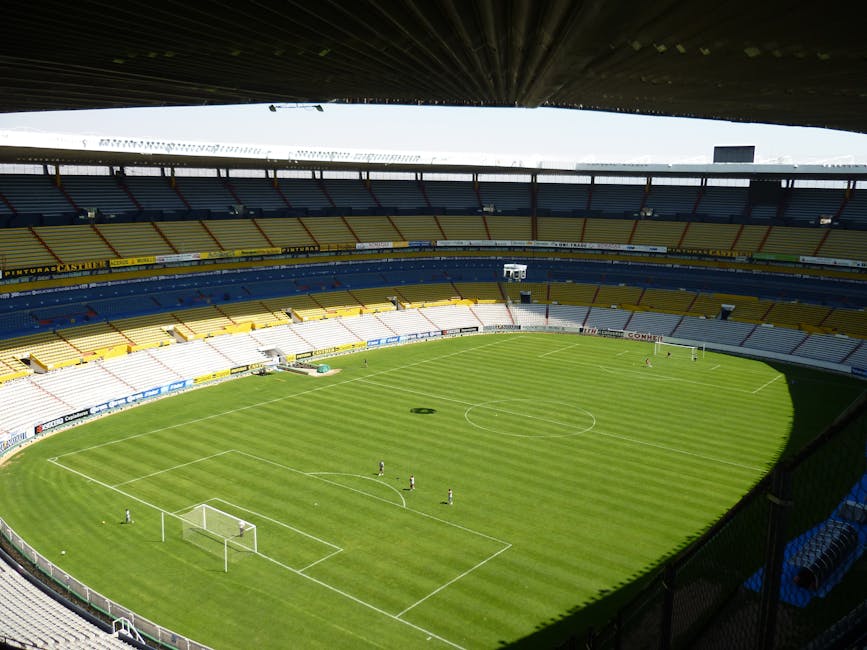
- 1.5 billion fans in Asia were denied live World Cup coverage due to a collapsed broadcast deal.
- The blackout in China and India raised questions about FIFA’s commercial strategy and prioritization of short-term revenue over long-term growth.
- FIFA’s centralized bidding process for World Cup media rights backfired in emerging markets like China and India.
- The absence of official coverage undermined FIFA’s claims of expanding football’s global reach.
- Fans in China and India relied on fragmented streaming platforms or social media highlights due to the blackout.
Over 1.5 billion people in China and India—nearly one-fifth of the global population—were locked out of live World Cup coverage during the most recent tournament, not due to government bans or technical failures, but because of a collapsed broadcast deal. In both countries, no major network aired the matches, leaving fans reliant on fragmented streaming platforms, illicit streams, or social media highlights. This unprecedented blackout of the world’s most-watched sporting event in two of its largest markets has triggered outrage among fans and raised serious questions about FIFA’s commercial strategy. Critics argue that the global football governing body prioritized short-term revenue over long-term growth, alienating vast populations of passionate supporters in the process. The absence of official coverage has not only diminished the viewing experience but also undermined FIFA’s own claims of expanding football’s global reach.
FIFA’s Expensive Gamble in Emerging Markets

FIFA’s decision to sell exclusive global media rights for the World Cup through a centralized bidding process was intended to maximize revenue and streamline distribution. However, in the case of China and India, this strategy backfired spectacularly. In India, the rights were acquired by Sony Pictures Networks, which opted not to broadcast the tournament on free-to-air television, restricting access to its premium sports streaming platform, SonyLIV. Given India’s low paid-subscription penetration for sports content, this effectively excluded the vast majority of fans. In China, the situation was even more severe: after state broadcaster CCTV declined to pay what it called “unreasonably high” fees, no alternative network stepped in, leaving the country without any official coverage. According to Reuters, this marked the first time since the 1970s that the World Cup was not televised in China. The fallout has sparked debate over whether FIFA overestimated the willingness of broadcasters in price-sensitive markets to pay Western-level rights fees.
Corporate Rights vs. Grassroots Fan Engagement

The broken deals in India and China reveal a growing tension between FIFA’s corporate monetization model and the organic, grassroots nature of football fandom. In India, despite a growing appetite for international football—evidenced by packed viewing parties in urban centers and booming social media engagement—there remains limited infrastructure for monetizing live sports at scale. Similarly, in China, where President Xi Jinping has publicly championed football development, the absence of World Cup broadcasts undermines national efforts to popularize the sport. The China Football Association expressed disappointment, noting that “the lack of exposure to elite competition hampers youth inspiration and long-term growth.” Meanwhile, in both nations, piracy surged during the tournament, with millions accessing unlicensed streams. This not only deprives rights holders of revenue but also exposes fans to cybersecurity risks. The situation highlights a fundamental mismatch: FIFA priced its product for markets like the U.S. and Western Europe, ignoring the economic realities of Asia’s most populous nations.
Profit Over Popularity: A Strategic Misstep?

Analysts suggest that FIFA’s centralized rights model, while lucrative in wealthier regions, fails to account for regional purchasing power and viewing habits. According to Deloitte’s 2023 Sports Media Report, the average sports rights fee per viewer in North America is over ten times higher than in South Asia. By applying a one-size-fits-all pricing strategy, FIFA effectively priced itself out of the world’s largest potential markets. Furthermore, the decision to bundle digital and linear rights reduced flexibility for local broadcasters to create hybrid, accessible offerings. Experts argue that a tiered rights approach—offering free-to-air packages with lower fees in developing markets—could have preserved both revenue and reach. As BBC Sport noted, “FIFA may have earned record rights fees overall, but at the cost of long-term fan alienation in critical growth regions.” The organization’s reliance on short-term financial gains risks weakening football’s cultural footprint in Asia, where rival sports like basketball and cricket continue to expand their influence.
Who Pays the Price for FIFA’s Strategy?

The consequences of FIFA’s approach extend beyond frustrated fans. Youth players in India and China, who once looked to World Cup stars as role models, now face diminished access to inspirational content. Local clubs and academies report declining interest in football programs, particularly in rural areas with no internet access. Meanwhile, advertisers and sponsors, who invest heavily in World Cup campaigns, received limited returns in two of the world’s most dynamic consumer markets. Brands like BYJU’S and Alibaba, which had activated World Cup-themed promotions, saw reduced engagement due to low viewership. Even FIFA’s own development initiatives, such as its Forward Programme aimed at growing the game globally, appear undermined by its commercial decisions. The message sent to emerging football nations is clear: participation in the sport’s pinnacle event does not guarantee inclusion in its audience.
Expert Perspectives
Opinions are divided. Some media economists defend FIFA’s right to maximize value, arguing that “free access cannot be expected in a commercialized sports era.” Others, like Dr. Ravi Balgobin, a sports policy researcher at the University of Hong Kong, warn that “FIFA is sacrificing legacy for revenue. Football’s strength lies in its universality—once that’s compromised, the sport’s integrity is at risk.”
Looking ahead, FIFA faces mounting pressure to rethink its media rights framework for the 2026 World Cup, which will be hosted by the U.S., Canada, and Mexico and expanded to 48 teams. With growing calls for regional licensing models and subsidized access in developing nations, the organization must balance profitability with inclusivity. The central question remains: can FIFA afford to keep the world’s biggest tournament from the world’s biggest audiences?
Source: Dw