- Ebola has resurfaced in the eastern Democratic Republic of Congo, where the health system is struggling to respond due to war, displacement, and mistrust of authority.
- The current outbreak has resulted in 47 suspected and probable cases, with 18 confirmed deaths, primarily in North Kivu and Ituri provinces.
- The identified strain is Zaire ebolavirus, the most lethal variant, with a historically high fatality rate of 90% in untreated cases.
- Contact tracing is severely hampered by the presence of over 120 armed groups in the outbreak’s epicenter, making it challenging to control the spread of the virus.
- The World Health Organization is working to contain the outbreak, but the situation remains dire due to the fragile regional context.
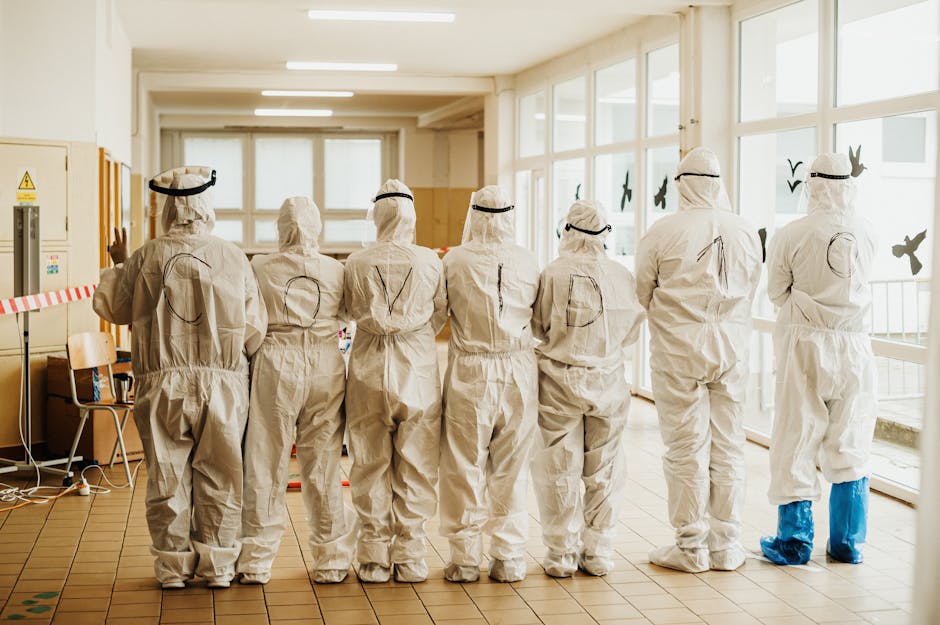
In the dense, rain-soaked highlands of eastern Democratic Republic of Congo, where mist clings to the canopy and villages are linked by footpaths through thick forest, fear has returned with a familiar shadow. A child collapses with a high fever in Beni, a mining town near the Ugandan border. Within days, three relatives are dead—bodies hastily buried in shallow graves to avoid infection. Health workers in full protective gear, faces obscured by visors and respirators, move cautiously through crowded marketplaces, tracing contacts with handheld digital devices. The air is thick not just with humidity, but with dread. Ebola, the hemorrhagic virus that surged across West Africa in 2014 and claimed over 11,000 lives, has resurfaced once more in one of the world’s most fragile regions—this time in a landscape torn apart by decades of war, displacement, and deep-seated mistrust of authority.
Outbreak Escalates Amid Mobility and Mistrust

As of late October 2023, the World Health Organization (WHO) confirmed 47 suspected and probable cases of Ebola in North Kivu and Ituri provinces, with 18 confirmed deaths. The strain identified is Zaire ebolavirus, the most lethal variant, with a fatality rate historically reaching 90% in untreated cases. The outbreak’s epicenter lies in areas controlled or contested by over 120 armed groups, including the Allied Democratic Forces (ADF), a jihadist faction linked to ISIS. This volatile context severely hampers contact tracing and vaccination efforts. Health teams have been repeatedly forced to suspend operations due to violence, with at least three Ebola treatment centers attacked since the start of the year. Compounding the crisis, misinformation about the virus spreads faster than the disease itself—some communities believe Ebola is a government hoax to attract foreign aid, leading to violent resistance against medics.
History of Repeated Crises

The DRC has endured 14 Ebola outbreaks since the virus was first identified near the Ebola River in 1976. But the 2018–2020 outbreak in the same eastern provinces marked a turning point—becoming the second-largest in history, with 3,470 cases and 2,287 deaths. That epidemic unfolded amid relentless militia violence, including targeted attacks on health workers, and was only declared over in June 2020—days before the first wave of the global COVID-19 pandemic. Unlike previous rural outbreaks, this one struck densely populated urban centers, enabling rapid human-to-human transmission. Despite the availability of two effective vaccines—rVSV-ZEBOV and Ad26.ZEBOV/MVA-BN-Filo—their deployment was thwarted by insecurity and community resistance. Each recurrence reveals a grim pattern: Ebola does not emerge in a vacuum, but in the fissures of state collapse, poverty, and protracted conflict.
Actors on the Frontlines and Behind the Scenes

At the heart of the response are Congolese epidemiologists, Red Cross volunteers, and WHO-supported mobile teams who risk their lives daily. Dr. Jeanne d’Arc Mutebi, a senior virologist at the Institut National de Recherche Biomédicale (INRB) in Kinshasa, has led diagnostics during five Ebola outbreaks. She describes the emotional toll: “We are not just fighting a virus—we are fighting suspicion, silence, and silence that kills.” Meanwhile, international partners like Médecins Sans Frontières and the U.S. Centers for Disease Control and Prevention (CDC) provide technical support and funding. Yet, armed groups exploit the chaos, framing health interventions as Western espionage. Some local leaders, wary of economic disruption, delay reporting cases. The interplay of humanitarian urgency, geopolitical neglect, and local power dynamics shapes who lives, who dies, and who gets heard.
Implications for Regional and Global Health Security

The outbreak threatens far more than eastern DRC. Neighboring Uganda and Rwanda report heightened surveillance after cross-border movements of infected individuals in past epidemics. In 2019, a family crossed into Uganda with Ebola—two children died, though containment was swift. Regional health systems, already strained by malaria, measles, and malnutrition, lack the surge capacity to manage a large-scale spillover. Beyond public health, the crisis deepens instability. Markets close, trade routes stall, and displacement increases—currently, over 6 million people are internally displaced in the DRC, the highest in Africa. The outbreak also diverts resources from other diseases, creating secondary health emergencies. Each missed vaccination, each unattended birth, becomes a hidden casualty of Ebola’s shadow.
The Bigger Picture
This outbreak is not merely a medical emergency but a symptom of deeper systemic failures. As climate change alters ecosystems and human encroachment into wildlife habitats increases, zoonotic spillovers like Ebola will become more frequent. Yet, the global response remains reactive, not preventive. The DRC spends less than $50 per capita annually on healthcare, one of the lowest in the world. Investment in resilient health infrastructure, community engagement, and conflict-sensitive aid is chronically underfunded. As the WHO emphasizes, stopping Ebola requires more than vaccines—it demands trust, security, and equity. Without them, the cycle will repeat.
What comes next hinges on coordination and courage. Vaccination campaigns using the rVSV-ZEBOV vaccine are expanding, with over 12,000 doses administered in ring vaccination strategies. But long-term containment requires disentangling Ebola from conflict—addressing not just the virus, but the war, poverty, and mistrust that feed it. The world has the tools to stop Ebola. The question is whether it has the will to deploy them where they’re needed most.
Source: Al Jazeera