- The WHO has declared a Public Health Emergency of International Concern (PHEIC) due to the resurgent Ebola outbreak in the Democratic Republic of the Congo and Uganda.
- Over 230 cases of Ebola have been identified, with a 60% case fatality rate, mostly due to the Zaire ebolavirus strain.
- The outbreak has spread across multiple provinces in eastern DRC, including North Kivu and Ituri, which are already affected by conflict and displacement.
- Heavy rains and muddy roads have slowed supply deliveries and delayed contact tracing teams, exacerbating the crisis.
- The fragile health systems in conflict-affected zones are particularly vulnerable to the Ebola virus, which thrives in silence before rapidly spreading.
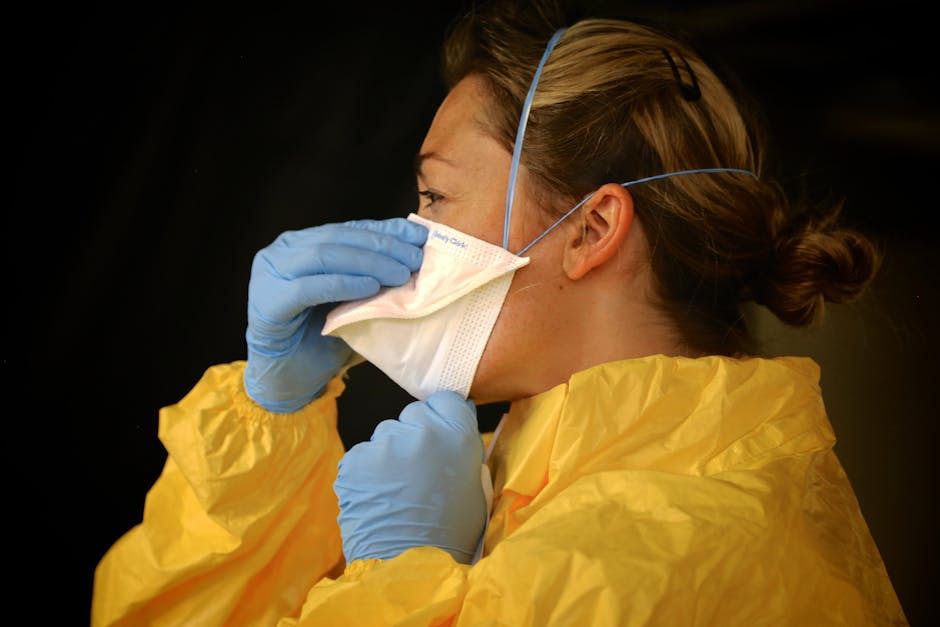
In a remote health clinic in eastern Democratic Republic of the Congo, a child lies on a narrow cot, feverish and listless, while a nurse in full protective gear adjusts an IV drip. Outside, heavy rains have turned the access road to mud, slowing supply deliveries and delaying contact tracing teams. This scene, repeated across dozens of villages near the Ugandan border, has become the epicenter of a growing crisis: a resurgent Ebola outbreak that, after weeks of escalating infections and deaths, has now prompted the World Health Organization (WHO) to declare a Public Health Emergency of International Concern (PHEIC). The announcement, made Sunday, marks the first Ebola-related emergency designation since the devastating 2018–2020 outbreak in the region and underscores the fragility of health systems in conflict-affected zones where the virus thrives in silence before roaring to life.
Current Ebola Outbreak Declared International Emergency

The WHO’s declaration follows a sharp increase in confirmed and suspected Ebola cases in both the Democratic Republic of the Congo (DRC) and neighboring Uganda. As of the latest report, over 230 cases have been identified, with a case fatality rate hovering near 60%, consistent with previous outbreaks of the Zaire ebolavirus strain. The outbreak has spread across multiple provinces in eastern DRC, including North Kivu and Ituri, regions already destabilized by armed conflict and population displacement. Uganda has reported a smaller but concerning cluster of cases, believed to be linked to cross-border movement. The WHO’s Emergency Committee emphasized the high risk of regional spread due to porous borders, weak surveillance, and community resistance to health interventions. The PHEIC designation enables faster mobilization of international funds, personnel, and medical supplies, including experimental vaccines and therapeutics, which are now being deployed in targeted ring vaccination campaigns.
How Decades of Conflict and Distrust Fueled This Crisis

This emergency did not emerge in isolation. Eastern DRC has endured decades of political instability, armed militia activity, and underfunded healthcare infrastructure, creating fertile ground for infectious diseases to take hold. The region experienced a prolonged Ebola outbreak from 2018 to 2020—the second-largest in history—claiming over 2,200 lives. Despite advances in treatment and vaccine development, including the successful rollout of the rVSV-ZEBOV vaccine, response efforts were repeatedly undermined by violence against health workers and misinformation. Communities, skeptical of government motives and foreign aid, often hid sick relatives or attacked treatment centers. This legacy of distrust persists, complicating current containment strategies. Furthermore, the mobility of populations fleeing conflict has accelerated transmission, while limited laboratory capacity delays diagnosis. The current outbreak’s rapid escalation reflects not just viral spread but the enduring consequences of systemic neglect and insecurity.
Health Workers and Local Leaders on the Frontlines

On the ground, Congolese doctors, Ugandan epidemiologists, and international aid teams are racing to trace contacts, isolate cases, and vaccinate at-risk populations. Dr. Marie-Paule Kieny, a former WHO research director, stressed that “local health workers are the backbone of the response—they know the terrain, the languages, and the communities.” Yet they operate under immense strain, often without adequate protective equipment or security. Community leaders, including elders and religious figures, are being enlisted to counter misinformation and encourage compliance with health protocols. Médecins Sans Frontières (MSF) and the Africa Centres for Disease Control and Prevention (Africa CDC) have expanded field hospitals and mobile labs, while the U.S. Centers for Disease Control and Prevention (CDC) has deployed rapid response experts. Their collective mission is not only to stop transmission but to rebuild trust eroded by years of crisis.
Regional and Global Health Systems Under Pressure

The implications of this outbreak extend beyond Central Africa. With increased international travel and trade, there is a tangible risk of cross-continental spread, particularly if cases emerge in urban centers or airports. Neighboring countries like Rwanda and South Sudan are bolstering border screening and surveillance, while airlines are monitoring passenger health declarations. The economic toll is also mounting—agricultural trade has slowed, and healthcare resources are being diverted from routine services like vaccinations and maternal care. For global health institutions, the outbreak tests the improvements made since the 2014–2016 West Africa epidemic, when delayed responses exacerbated the death toll. The swift PHEIC declaration suggests a more proactive stance, but success will depend on sustained funding and coordination.
The Bigger Picture
This emergency is a stark reminder that pathogens do not respect borders, and that health security is inseparable from social stability and equity. As climate change, deforestation, and human encroachment into wildlife habitats increase the frequency of zoonotic spillovers, the world must invest not only in medical countermeasures but in resilient health systems and community engagement. The WHO’s declaration is a necessary alarm, but long-term prevention requires addressing the root causes of vulnerability—poverty, conflict, and misinformation—that allow outbreaks to flourish.
What comes next will depend on the speed and unity of the global response. If history is any guide, early, well-resourced action can curb transmission and save thousands of lives. But if the world looks away, this outbreak may become another tragic chapter in the ongoing struggle against emerging infectious diseases. For now, health teams press on, navigating mud roads and mistrust, hoping their efforts will be enough to contain the virus before it spreads further.
Source: MedicalXpress