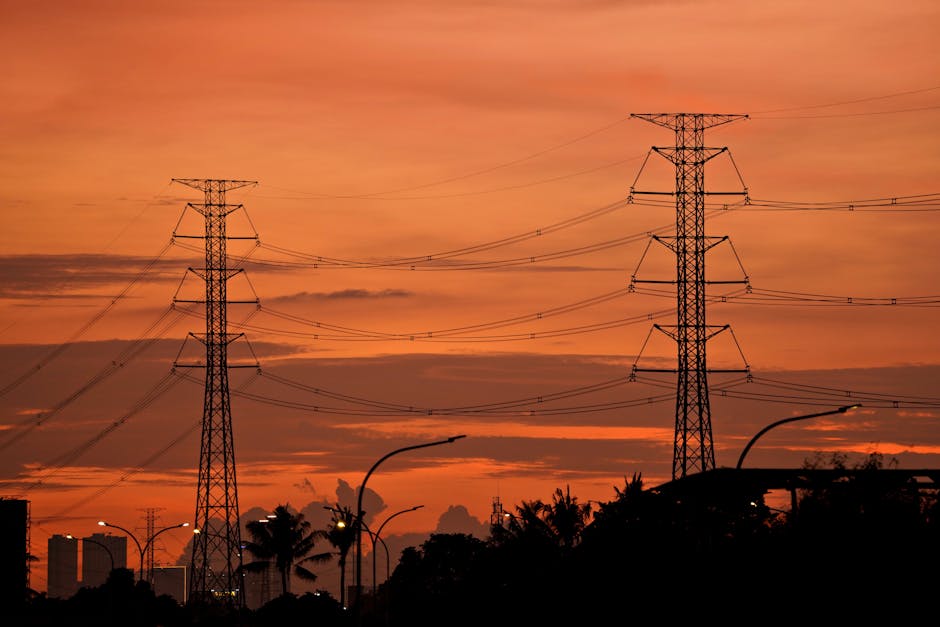
- Cuba’s power grid suffered a 70% failure due to a lack of fuel, plunging 70% of the island into darkness.
- The blackout was triggered by the shutdown of the Antonio Guiteras power plant in Matanzas, the country’s largest thermoelectric facility.
- Hospitals were forced to switch to backup power, but even those reserves were dwindling, exacerbating the crisis.
- The nationwide power outage has raised concerns about food safety and refrigeration, as homes and hospitals lost access to reliable electricity.
- Cuba is experiencing a systemic collapse, with the power grid failure being the latest in a series of long-term hardships facing the island nation.
At dawn in Havana, the usual hum of generators was gone. The city, already worn thin by years of scarcity, awoke to silence—no traffic, no flickering lights, no refrigerators struggling to stay cold. The streets, normally alive with the chatter of neighbors sharing rations or the buzz of vintage American cars, lay still. In homes across the island, families lit candles, their shadows dancing across peeling walls. For the first time in decades, Cuba was not just enduring hardship—it was experiencing a systemic collapse. The power grid, strained for years, had finally given way. With no fuel to run thermoelectric plants, the lights went out not just in the capital, but across nearly every province. Hospitals switched to backup power, but even those reserves were dwindling. This was not a temporary outage; it was a national emergency unfolding in real time.
Blackout Engulfs the Island

Cuba suffered a partial but widespread grid failure on Monday, affecting an estimated 70% of the national electricity network, according to state media reports. The blackout began in the afternoon when the Antonio Guiteras power plant in Matanzas—the country’s largest thermoelectric facility—shut down due to a lack of fuel. Within hours, cascading failures rippled through the system, triggering outages from Santiago de Cuba to Pinar del Río. The Ministry of Energy and Mines confirmed that the island had run out of diesel and fuel oil, the primary energy sources for its aging power infrastructure. In a rare admission, Energy Minister Eduardo Martínez stated that the country’s fuel reserves had been “entirely depleted,” leaving no capacity to restart key generators. The government ordered non-essential businesses to close, public transportation halted, and water pumping stations stopped functioning, exacerbating shortages across urban centers.
Years of Decline, One Breaking Point

The current crisis is the culmination of decades of economic mismanagement, U.S. sanctions, and crumbling infrastructure. Since the 1990s, Cuba has relied heavily on subsidized oil from Venezuela, a lifeline that began to dry up after 2015 as Caracas faced its own economic collapse. With dwindling imports, Cuba turned to alternative suppliers, including Algeria and Russia, but inconsistent shipments and limited hard currency have made sustained energy imports nearly impossible. The U.S. embargo, tightened under the Trump administration and maintained by Biden, restricts access to financing and technology needed to modernize the grid. Meanwhile, domestic energy production has stagnated. Aging power plants, many dating to the 1970s, operate at a fraction of capacity. A 2023 report by the Inter-American Development Bank noted that Cuba’s energy sector required over $2 billion in immediate investment to avoid systemic failure. That investment never came.
Leadership Under Pressure

The crisis has placed immense pressure on President Miguel Díaz-Canel and his administration. Once seen as a reform-minded leader, Díaz-Canel now faces growing public frustration and skepticism. The government has blamed U.S. sanctions for the fuel shortage, calling them an “economic war” against the Cuban people. While sanctions do limit trade and financial transactions, analysts note that internal inefficiencies and centralized planning have also played a significant role. The Communist Party maintains tight control over energy policy, resisting structural reforms or private-sector participation that might improve efficiency. Meanwhile, ordinary Cubans—who have endured food shortages, inflation, and mass emigration—are losing patience. Protests erupted in several provinces following the blackout, met with police presence and internet restrictions. The government’s ability to maintain stability now hinges on restoring power—and public trust—before discontent turns irreversible.
Human and Economic Toll

The consequences of the blackout are immediate and severe. Hospitals are rationing electricity, delaying non-urgent procedures, and relying on limited generator fuel to power life-support systems. In rural areas, access to clean water has become a critical concern, as pumps depend on electricity to function. Food spoilage is rampant, with refrigeration unavailable in homes and markets. Pharmacies have reported difficulties storing temperature-sensitive medications. Economically, the outage halts manufacturing, tourism, and agriculture—sectors already struggling under inflation and supply constraints. The Cuban peso has lost significant value on the informal market, and many citizens depend on remittances from abroad. With communications disrupted and transportation grounded, the island’s isolation deepens. The blackout is not just an energy failure; it is a humanitarian crisis in motion.
The Bigger Picture
Cuba’s power collapse is a stark reminder of how energy security underpins national stability. In an age of climate change and geopolitical volatility, fragile infrastructure can become a vector for broader societal breakdown. The island’s dependence on imported fossil fuels, combined with outdated technology and political isolation, makes it particularly vulnerable. Other nations in the Global South face similar challenges, where energy poverty and aging grids threaten development. Cuba’s situation underscores the urgent need for investment in resilient, decentralized energy systems—particularly renewable sources like solar and wind, which could bypass the need for imported fuel. Without such transformation, the risk of future blackouts, and the unrest they may spark, remains high.
What comes next is uncertain. The government has reportedly requested emergency fuel shipments from allies, including Venezuela and Mexico, though deliveries may take days or weeks. In the meantime, Cubans are adapting as they have for decades—sharing resources, relying on community networks, and hoping for a solution before the crisis deepens. But this blackout may mark a turning point. If the state cannot restore power swiftly, the social contract between citizen and government could fracture beyond repair. The silence of the generators may soon be replaced by something louder: the voice of a people demanding change.
Source: Cbc